

Saudi Arabia Deepens Global Partnerships Through BRICS Engagement in India
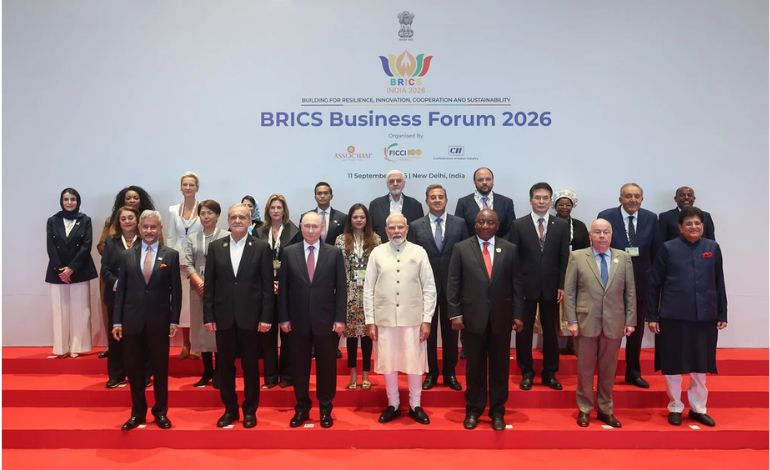

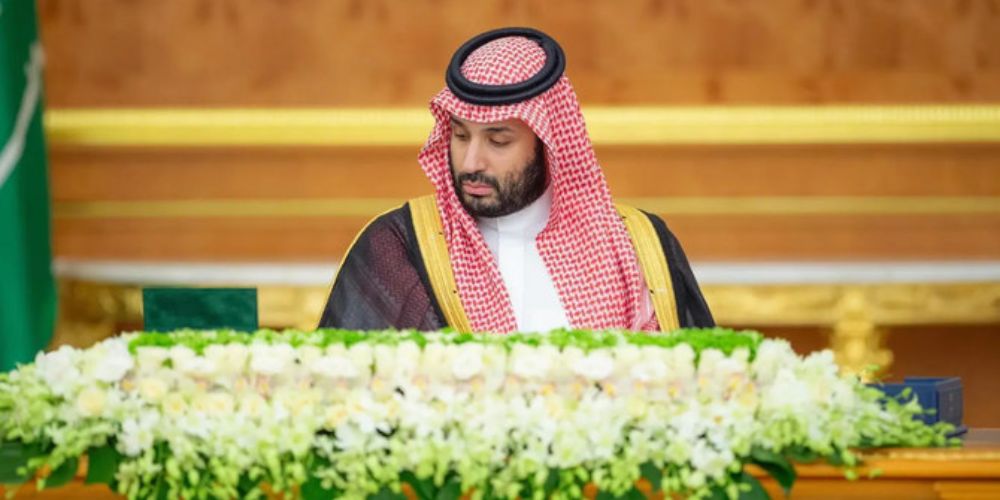
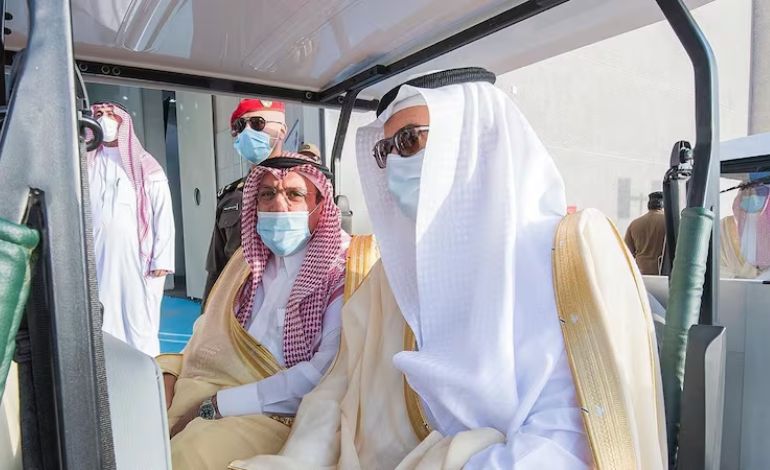
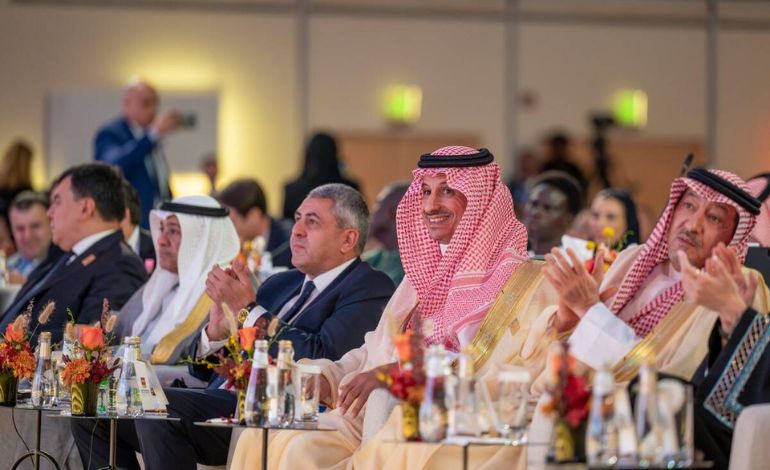
Saudi Foreign Minister Prince Faisal bin Farhan traveled to New Delhi over the weekend to represent Crown Prince and Prime Minister Mohammed bin Salman at the 2026 BRICS Summit, joining talks on international cooperation among the bloc’s members, partners and invited nations.
Saudi Arabia attended the two-day gathering, held under India’s 2026 chairship at Bharat Mandapam under the theme “Building Resilience, Innovation, Cooperation, and Sustainability,” as an invited country rather than a full member. The Kingdom was offered membership during the bloc’s 2023 expansion, alongside Egypt, Ethiopia, Iran and the UAE, but has yet to formally accept, leaving its status open even as it uses these gatherings to build ties with major emerging economies.
Saudi economist Talat Hafiz told Arab News the real measure of value isn’t the size of the BRICS bloc itself, but what tangible economic benefits Saudi Arabia can actually secure, particularly in support of its Vision 2030 diversification agenda. He pointed to expanding non-oil exports, including petrochemicals, mining products, manufactured goods and food, into some of the world’s largest and fastest-growing markets as one of the clearest opportunities.
The scale on offer is considerable. Indian Prime Minister Narendra Modi told the BRICS Business Forum that the bloc and its partner countries together represent roughly half the world’s population, 40 percent of global GDP and more than a quarter of international trade, with combined GDP growing about 4.5 times since the group’s founding in 2006.
India, as summit host, carries particular weight for Riyadh given ties that already stretch across investment, infrastructure, technology, food security and tourism. Modi said India’s presidency has focused on strengthening supply chains and cooperation in energy and technology, alongside infrastructure development in roads, rail, ports and airports, areas that align closely with Saudi Arabia’s own Vision 2030 logistics and industrial ambitions.
Hafiz said attracting long-term, productive investment into Saudi manufacturing, logistics, mining, technology, tourism and healthcare matters more than simply drawing in more capital, and that technology partnerships with companies from China, India, Brazil and other emerging markets, spanning artificial intelligence, advanced manufacturing, renewable energy and pharmaceuticals, could help build domestic industrial capability. India’s experience with digital payments, including a system Modi said now handles half of the world’s instant payments, also offers a potential model for easing cross-border transactions.
Saudi Arabia’s geography adds another dimension, positioning the Kingdom as a potential bridge connecting BRICS economies with markets across the Middle East, Africa and Europe, reinforcing its ambitions to become a global logistics hub. Separately, at a visit to the Coalition for Disaster Resilient Infrastructure in New Delhi, director-general Amit Prothi said Saudi Arabia’s rapid infrastructure buildout under Vision 2030 gives it a chance to draw on international expertise while sharing its own experience protecting workers from extreme heat, a practice he called worth exporting elsewhere.
Hafiz cautioned that Saudi Arabia already has deep economic relationships with China, India, the US, the EU and the Gulf Cooperation Council, so the real question isn’t what BRICS offers in isolation, but what additional value deeper engagement can deliver beyond what those existing partnerships already provide.
The summit also underscored the diplomatic complexity Riyadh must navigate, with BRICS members negotiating sharp differences over the Middle East, including between fellow members Iran and the UAE, before adopting a joint declaration on September 12 calling for restraint and dialogue amid regional tensions.
For Hafiz, the ultimate test will come over the next three to five years, measured in concrete outcomes: growth in non-oil exports, new foreign investment, technology transfer, expanded manufacturing and lower trade costs. Until then, Saudi Arabia appears content to engage with BRICS on its own terms, pursuing practical economic gains while keeping its options open on full membership.
Also Read:
The Story of Geoffrey Hinton, the Godfather of Deep Learning
How Entrepreneurs Build Successful Businesses From the Ground Up