




Higher Food Prices Push Tunisia’s Inflation to 5.6% in September
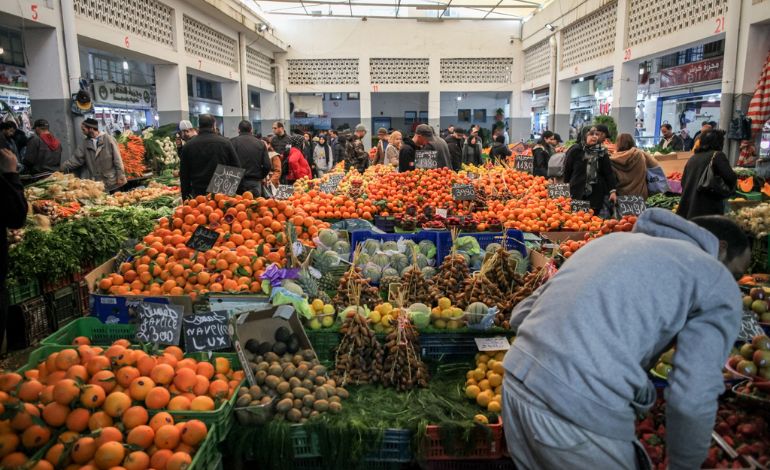

Tunisia’s annual inflation rate rose to 5.6% in September from 5.4% in August, driven mainly by faster increases in food prices, according to new data from the country’s National Institute of Statistics (INS).
The rise marked the second consecutive monthly increase in inflation and comes as higher prices for several food products continue to put pressure on household spending.
Food Prices Remain The Main Source Of Pressure
According to the National Institute of Statistics, food inflation rose to 8.4 per cent in September from 7.25 per cent in August, while clothing prices increased to 9.2 per cent year-on-year from 9 per cent the previous month.
Inflatonary Pressures Are Rising Worldwide
The latest increases come at a time when the US-Iran conflict has shaken energy markets and increased inflationary pressures worldwide.
The International Monetary Fund (IMF) said global headline inflation is expected to rise from 4.1 per cent in 2025 to 4.7 per cent in 2026, and energy prices remain high.
Inflationary pressures are also expected to intensify across Africa. The World Bank forecasts median inflation on the continent to reach 4.8% in 2026, up from 3.7% in 2025, with the impact of the Middle East conflict adding to price pressures.
Other Sectors Show Mixed Price Trends
Tunisia’s inflation rose in education, household goods and maintenance, and alcoholic beverages and tobacco in September. However, price growth eased in health, leisure, transport, communications, and restaurants and hotels, while housing-related inflation remained unchanged at 4.3%. The Central Bank has kept its key interest rate at 7% since July, with Fitch Ratings forecasting average inflation of 5.7% in 2026 before easing toward 5% through 2028.
Also Read: