



Middle East Conflict Highlights Urgent Need for ASEAN Energy Security
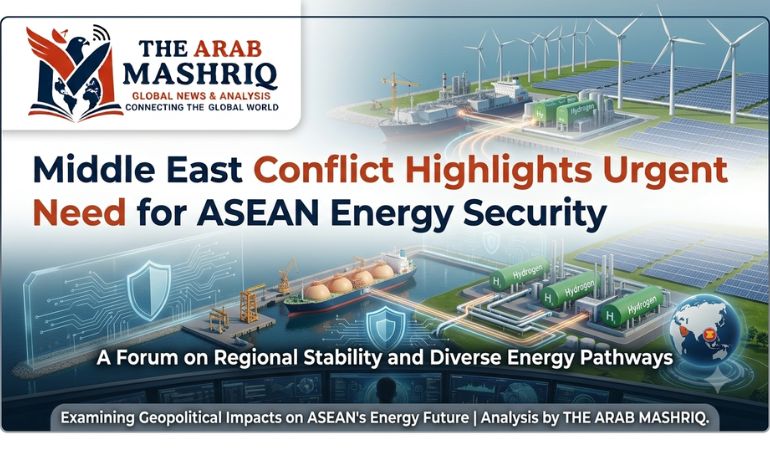

Ministers meeting in Manila this week are expected to review emergency fuel-security measures and discuss longer-term plans to reduce the region’s exposure to external energy shocks.
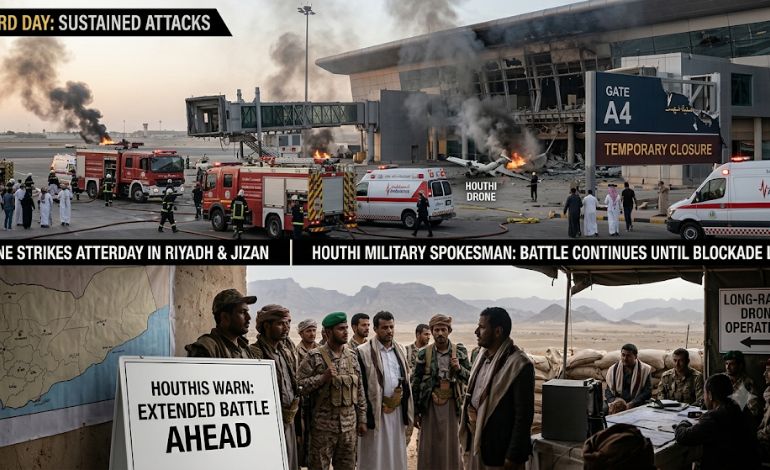
As the US-Israeli war against Iran continues, there is a growing need for ASEAN to implement its proposed energy security plans and mitigate the impact of price shocks caused by attacks on infrastructure and shipping routes in the Middle East.
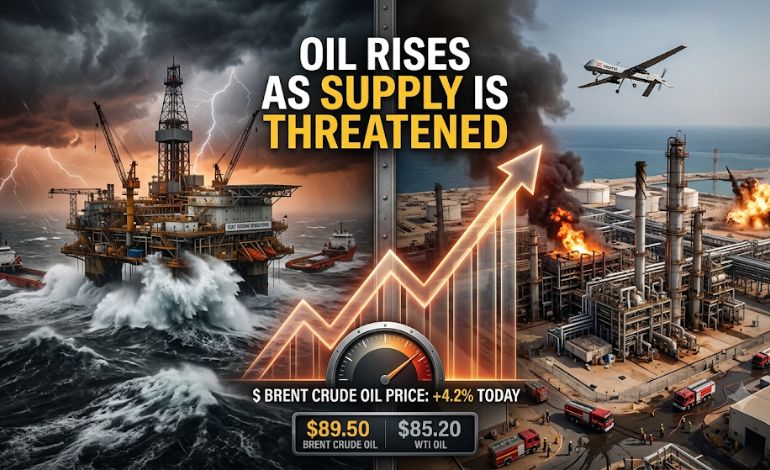
ASEAN imports more than half of the crude used by its refineries from the Middle East, while global benchmark oil prices have climbed to around $100 a barrel.
Philippine Energy Undersecretary Felix Fuentebella said the crisis had changed the way ASEAN governments view energy security.
“What the crisis brought was a sharper focus on resiliency,” Fuentebella told Reuters on October 1.
He said energy security had moved from being mainly a technical issue to becoming a priority for ASEAN ministers and leaders.
Fuel Price Surge Squeezes Earnings
The energy shock is also being felt by consumers and transport workers across Southeast Asia. In the Philippines, higher fuel prices have increased operating costs for public transport drivers.
Manila jeepney driver Antonio Bandin, who joined a recent protest over rising fuel prices, said his daily fuel bill had more than doubled to about 2,400 pesos ($38). “We hardly take anything home anymore,” Bandin said.
The ASEAN Centre for Energy has warned that a severe disruption to Middle Eastern supplies could put oil volumes equivalent to nearly 28% of ASEAN’s final oil consumption at risk. The estimate highlights the region’s exposure to supply disruptions and the need for stronger petroleum-security arrangements.
Christopher Len, a senior fellow at the ISEAS-Yusof Ishak Institute, said regional stockpiling could help prepare for future disruptions but would not solve the current crisis.
“This is more about preparing for the next crisis. A reserve is a buffer. It is not a strategy,” Len said.
Energy ministers are also expected to consider measures that could reduce the region’s dependence on imported fossil fuels over the longer term.
Renewable energy, electric vehicles and greater energy efficiency are likely to feature in those discussions. The ASEAN Power Grid is another key initiative, aimed at strengthening cross-border electricity links and allowing countries to share power more efficiently.
The International Energy Agency estimates that Southeast Asia’s energy import bill could increase from more than $80 billion in 2024 to about $245 billion by 2035 without structural changes. It has also said wider electrification and stronger regional electricity connections could reduce the region’s exposure to volatile oil imports.
“We should actually use this shock as a lesson to reduce exposure, not only to cushion it,” Len said.
Also Read: