

Saudi Transformation Opens New Opportunities for Portugal, Envoy Says
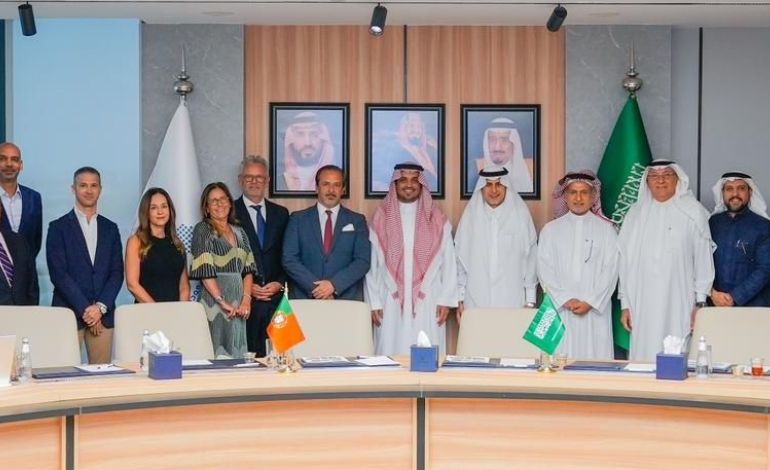

As Saudi Arabia’s transformation under Vision 2030 continues to pick up pace, Portugal says it’s looking to deepen its engagement with the Kingdom through business partnerships, cultural exchange, and support for its growing community of citizens living and working there.
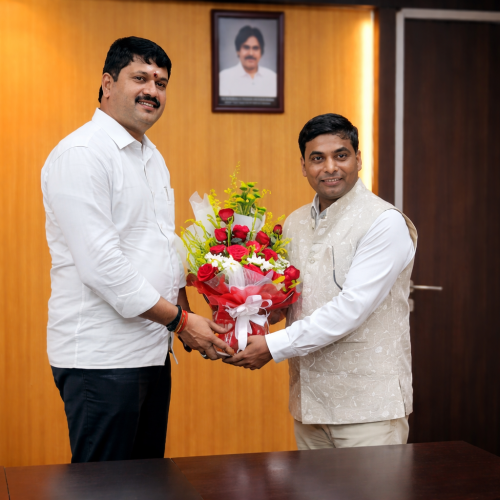
In an interview with Arab News, Portugal’s secretary of state for Portuguese communities, Emidio Sousa, said he was absolutely impressed by the pace of change he’s witnessed in Saudi Arabia and sees significant room for the bilateral relationship to grow. His visit was centered primarily on engaging with Portuguese citizens living in the Kingdom, a responsibility he described as his top priority in government. Portugal’s community there remains relatively small compared with Portuguese communities elsewhere in the world, but it’s growing, now numbering more than 2,000 people, many of them highly qualified professionals working in fields that align closely with Saudi Arabia’s development goals. Sousa said the community appears well integrated and optimistic about its future in the country.
The trip also gave him a chance to gauge Saudi Arabia’s economic momentum and look for opportunities for Portuguese businesses. He met over the weekend with representatives from ten or eleven Portuguese companies already exploring business in the Kingdom, noting that despite its small size, Portugal is a highly industrialized country with strong products and skilled professionals, particularly well positioned in industrial production, commerce and agriculture. He pointed to Portuguese companies already involved in projects tied to Saudi Arabia’s economic diversification push, including one firm from his hometown that specializes in technology work with Aramco and partners with IBM in the US. Looking ahead, Sousa sees room for Portugal’s network of small and medium-sized enterprises to contribute across infrastructure, energy, health, construction and information technology as Vision 2030 continues to unfold.
Beyond economics, Sousa stressed the importance of building deeper cultural understanding between Europe and the Arab world. A visit to a museum in Riyadh that morning had left him genuinely surprised by the depth of Saudi history and culture, and he suggested cultural diplomacy, through exchanges in sport, literature, film and the arts, could become an important part of the relationship going forward. He acknowledged that mutual understanding between the two cultures remains limited and said he hopes to encourage greater cooperation in this area once he returns home, even though no formal cultural initiatives are currently planned.
Sousa also pointed to Portugal’s global diaspora, spread across 178 countries, as a potential bridge between the two nations, describing Portugal as a nation of adaptable workers accustomed to living and working across different cultures. He highlighted the country’s investment in higher education and its people as its greatest asset, noting that Portuguese professionals in engineering, technology and sports continue a long national tradition of working abroad, with roughly 20 million Portuguese living outside the country compared with 11 million at home.
He reserved his strongest praise for the transformation he’s seen in Saudi Arabia, particularly comparing his impressions now with his previous visit in 2024, saying he could clearly see the change and the confidence people there have in it. That momentum, he said, is reason enough for Portugal to take a fresh look at the relationship, adding that when he returns home, he intends to tell the prime minister that Saudi Arabia deserves renewed attention.
Also Read:
Mahmiyah Forum Drives Research Efforts to Support Nature Reserves