

Iraq Eyes International Debt Markets to Address Rising Fiscal Deficit

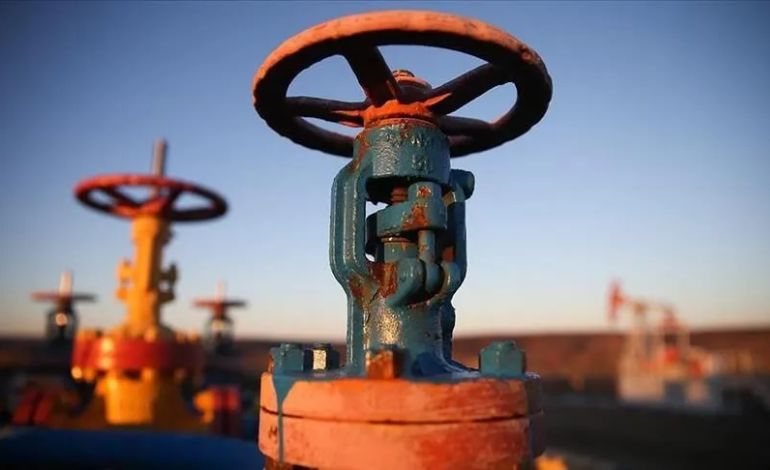
Iraq is weighing a return to international debt markets as it grapples with a budget deficit that has swollen significantly due to lost revenue during closures of the Strait of Hormuz.
The country currently maintains one of the lowest foreign public debt profiles in the world, having relied primarily on domestic borrowing in recent years. According to the Central Bank of Iraq, foreign debt stands at nearly $13 billion, a sharp contrast to the more than $130 billion in external debt Iraq carried at the time of the 2003 US-led invasion, largely accumulated through heavy borrowing under Saddam Hussein’s government during the 1980-1988 war with Iran. In 2004, that debt burden was significantly reduced after Iraq reached an agreement with the Paris Club, a group of major creditor nations, to write off nearly 80 percent of the outstanding amount, according to Samir Fakhri, director of statistics at the Central Bank of Iraq.
Last week, state news agency reports indicated that Iraq’s parliament is debating legislation to allow for external borrowing, ahead of the 2027 budget expected before the end of this year. “I don’t think Iraq needs a law for foreign borrowing, but I believe they are trying to determine the debt ceiling,” said Nabil Al-Marsoomi, an Iraqi economist. “The 2027 budget could include how much Iraq needs to borrow from abroad. I believe Iraq needs to borrow because of high spending and low oil exports due to the closure of the Strait of Hormuz. We know that over the past months, Iraq has been spending far more than it is earning,” he told AGBI.
Al-Marsoomi said Iraq can likely secure funding from abroad despite holding a B- sovereign credit rating from Fitch and other agencies, though the non-investment-grade rating is likely to affect borrowing costs and limit the pool of available lenders. In the meantime, Iraq has turned to local banks to fund its budget, pushing domestic debt to a record high of approximately $79 billion by the end of May, according to an August report from the Central Bank of Iraq.
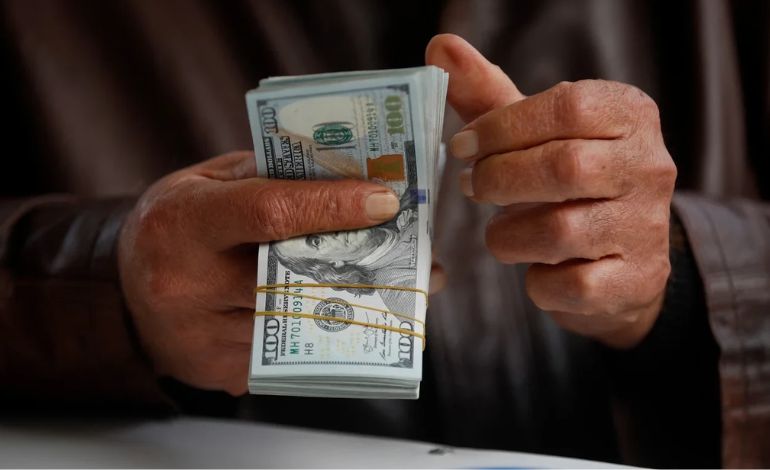
Iraq, which holds the world’s fifth-largest recoverable oil reserves, borrowed nearly 13 trillion Iraqi dinars ($9.9 billion) in just the first five months of 2026, with about 8 trillion dinars of that total obtained in April alone, according to the central bank. “The aim of borrowing from abroad is to secure funds to finance strategic and vital projects, especially in the health and electricity sectors,” said Nassir Turki, a member of parliament’s finance committee. “There is a need to obtain loans because the deficit is swelling and the government is finding it difficult to secure funds for expenditure, mainly salaries,” he added.
Bankers say Iraq is looking abroad in part because local financial institutions lack sufficient liquidity to meet government borrowing needs, as most Iraqis keep their money outside the formal banking system. Ali Al-Alwan, manager of the state-owned Trade Bank of Iraq, said more than 85 percent of the country’s money supply remains outside the banking sector. “The large proportion of funds circulating outside banks poses a significant challenge to the economy, as it reduces the banking sector’s ability to circulate liquidity, finance projects, and expand lending and investment operations,” he told local reporters.
A senior government adviser said last month that Iraq is expected to introduce a 2027 budget with a projected deficit of 64 trillion Iraqi dinars, based on the assumption that oil exports will remain constrained by ongoing disruption to shipping through the Strait of Hormuz. Mudhar Saleh, a financial adviser to Prime Minister Ali Al-Zaidi, said the draft 2027 budget, expected to be submitted to parliament for approval in October, will be based on an average oil price of $60 to $70 a barrel.
Also Read:
Dubai Police Expands AI Operations With Deployment of 36 Robots
Dengue Surge Pushes Bangladesh Hospitals Toward Breaking Point