



Strategic Implications of the Proposed Hormuz Deal on Global Maritime Transport
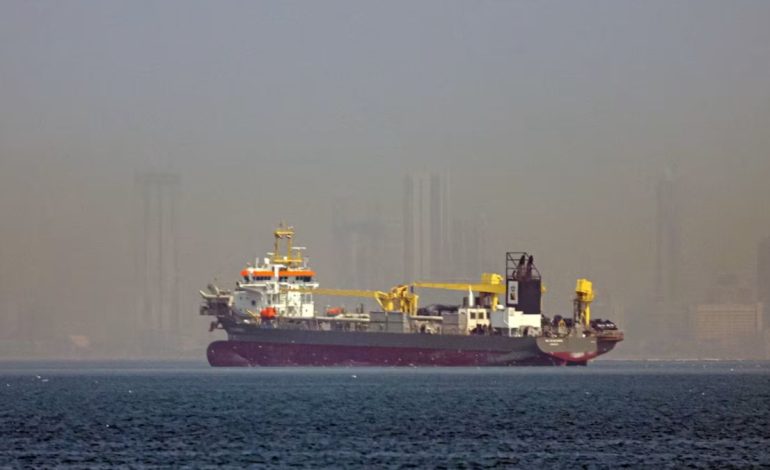

DUBAI/RIYADH — Iran and Oman are finalizing an agreement that would effectively give Tehran control over ships entering the Gulf through the Strait of Hormuz — one of the largest concessions to Iran since the war with the United States began in February.
Under the emerging arrangement, vessels heading into the Persian Gulf would transit a channel controlled by Iran near its coast, while ships leaving the Gulf would travel on a route closer to Oman. Iranian Deputy Foreign Minister Kazem Gharibabadi said commercial ships would pass through Iranian territorial waters “both on the inbound and outbound legs of their journey”. Iran has reported “significant progress” in the talks with Oman.
The proposed deal has drawn a mixed response. President Donald Trump has described the discussions as “very good” and suggested a resolution could be imminent, while Secretary of State Marco Rubio acknowledged progress but stressed that no final agreement had been reached. However, US officials have repeatedly insisted they would never accept any arrangement giving Iran control over the world’s most important energy trade route.
Inside the Pentagon, some senior officials view such an arrangement as a US capitulation. Before the war, the strait was freely open to all ships with no fees. An agreement that formalizes Iran’s control would mark a significant strategic victory for Tehran.
A senior Iranian official said Tehran is seeking fees of between 5% and 7% of cargo value from ships using the strait. Oman is discussing fees of around 3%, while Washington wants no fees at all. Iranian officials have indicated that while no tolls will be charged, a “service fee” would be collected to cover environmental and security costs, with revenues divided equally between Iran and Oman.
Sources familiar with the negotiations cautioned that significant issues remain unresolved, pushing back against suggestions from Trump that a deal is imminent. Gulf negotiators are insisting that regional countries supervise ship inspections and that any fee payments be voluntary. Iran has warned that any new US attack would trigger retaliation against critical energy infrastructure across the region.
The potential reopening of the waterway — which normally carries about a fifth of global oil and gas shipments — has already become the dominant driver of oil prices. Brent crude has fallen sharply this week, hovering near $79 a barrel, down from triple-digit levels during the most severe phase of the crisis.
Also Read:
Saudi Relief Agency Explores Humanitarian Support with Syrian Envoy
Red Sea Tourism in Saudi Arabia Reaches New Milestone with Dark Sky Certification