


Saudi Non-Oil Private Sector Remains Resilient Despite Slower PMI Growth

RIYADH — Saudi Arabia’s non-oil private sector maintained solid growth in July, with the Purchasing Managers’ Index standing at 53.1, supported by resilient output and new orders despite persistent regional headwinds.
The Riyad Bank PMI, compiled by S&P Global, signaled a fourth consecutive monthly improvement in operating conditions, remaining comfortably above the neutral 50 threshold. The reading was just 0.2 points lower than June’s figure.
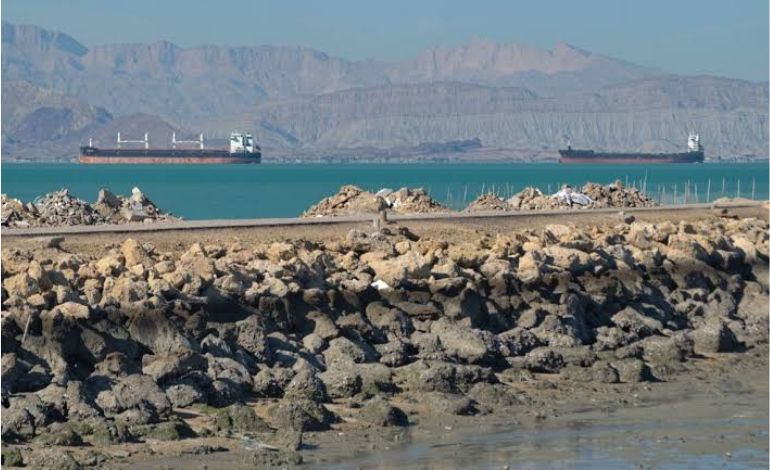
Around 19 percent of surveyed firms reported higher output, compared with just 4 percent reporting a decline. Export orders, however, declined for the fifth consecutive month as elevated freight costs and regional tensions weighed on international trade.
Business confidence for the year ahead eased from June’s five-month high, with only 8 percent of firms expecting output to increase over the next 12 months.
Cost pressures showed signs of easing, with input price inflation moderating to its slowest pace in four months. Firms passed part of these costs to customers through higher selling prices, but the pace of output price inflation eased slightly from June.
Naif Al-Ghaith, chief economist at Riyad Bank, said domestic demand is gradually strengthening as market conditions normalize following regional disruptions. The sustained expansion reinforces expectations that the non-oil economy will maintain solid growth momentum through the second half of the year, supported by strong economic fundamentals and continued progress in diversification. The International Monetary Fund expects Saudi Arabia’s economy to grow by 1.7 percent in 2026 before accelerating to 5.5 percent in 2027.
Also Read:
Princess Sarah Hosts Turkish Ambassador for Official Diplomatic Talks
Traditional Al-Assah: Celebrating the Timeless Traditions of Al-Baha