
Middle East Crisis Sparks Energy Concerns as Indian PM Urges Reduced Fuel Use
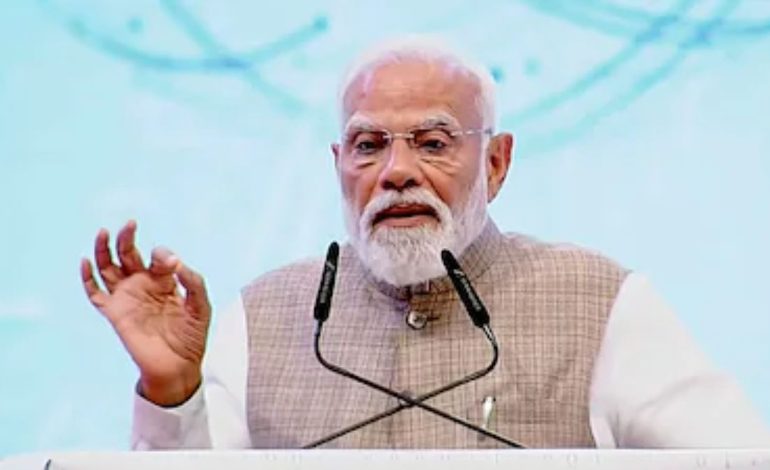

Indian Prime Minister Narendra Modi has called on citizens to reduce petrol and diesel consumption amid supply disruptions caused by ongoing conflict in the Middle East and Iran’s near-total blockade of the Strait of Hormuz.
Speaking in Telangana state on Sunday, Modi acknowledged that while India has avoided raising fuel prices for domestic consumers or implementing rationing, the country faces mounting pressure on its energy security and foreign currency reserves. The disruptions following US-Israeli strikes on Iran have already forced India to increase prices for liquefied petroleum gas, the nation’s primary cooking fuel.
Practical Steps for Reduced Consumption
Rather than imposing rationing or sudden price increases, Modi outlined specific behavioral changes citizens can adopt. He urged people to prioritize public transportation, particularly metro systems in major cities, and encouraged carpooling among private vehicle users.
“We have to reduce our use of petrol and diesel. In cities with metro lines, we should try to travel by metro. If we must use a car, then we should try to car pool,” Modi said during the address.
The Prime Minister also advocated for returning to work-from-home and virtual meeting practices employed during the COVID-19 pandemic, arguing that remote work reduces transportation needs and fuel consumption across the economy.
Protecting Foreign Currency Reserves
Beyond the immediate energy challenge, Modi emphasized India’s broader economic vulnerability. Global fuel prices have reached elevated levels, and India’s dependence on energy imports means each disruption to supply flows directly impacts the nation’s foreign currency reserves.
“We must also place a strong emphasis on saving foreign exchange, as petrol and diesel have become so expensive globally,” he explained, framing fuel conservation as a matter of national economic stability rather than merely environmental or lifestyle preference.
A Measured Response
India’s approach contrasts with other nations’ responses to the Middle East crisis. While many countries have moved quickly to impose price controls or rationing, India has maintained stable consumer prices while absorbing costs through strategic government spending. However, the approach has limits—LPG price increases already signal that some fuel costs cannot be indefinitely shielded from market forces.
The Prime Minister’s public appeal for voluntary conservation suggests recognition that lasting solutions require public cooperation. By framing fuel reduction as a patriotic act and national economic necessity, Modi seeks to build consensus around restraint rather than relying solely on government mandates or price signals.
Historical Precedent
Modi’s invocation of COVID-era practices reflects India’s experience with rapid behavioral change. During the pandemic lockdowns, remote work, virtual meetings, and reduced transportation fundamentally reshaped energy consumption patterns. His suggestion that these practices resume indicates confidence that citizens can similarly adjust to energy constraints during the current crisis.
Whether voluntary measures prove sufficient or whether India ultimately needs to implement more aggressive conservation policies remains uncertain. But the government’s current stance prioritizes maintaining economic stability and avoiding sudden price shocks while appealing to citizens’ sense of collective responsibility.
Broader Regional Implications
The energy crisis illustrates India’s vulnerability to Middle Eastern instability. As one of the world’s largest energy importers, disruptions to critical chokepoints like the Strait of Hormuz directly threaten India’s economic growth and development goals. India’s measured response—avoiding panic while encouraging conservation—reflects the delicate balance governments must maintain when facing supply shocks beyond their control.
Also Read:
Saudi Arabia Celebrates Strong Victory at Balkan Mathematical Olympiad