

US Military Strike in Caribbean: Alleged Drug Boat Incident Leaves 2 Dead
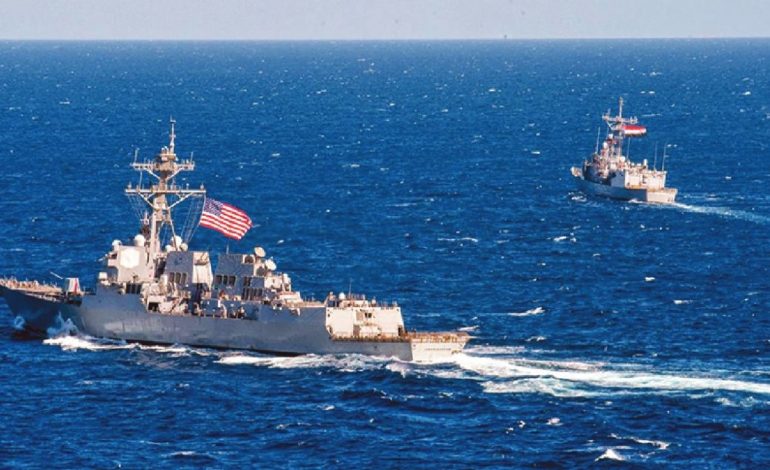

The US military conducted another strike against an alleged drug-trafficking vessel in the Caribbean Sea on Monday, killing two people. The attack represents the latest in an ongoing campaign of military strikes against boats suspected of ferrying narcotics through Western Hemisphere waters.
The assault, carried out by US Southern Command, targeted the vessel along known smuggling routes. Video footage posted on social media showed a boat moving through the water before a massive explosion engulfed it in flames. The military stated it had struck alleged drug traffickers but provided no evidence that the vessel actually carried drugs or contraband cargo.
The strike is part of a broader campaign that has persisted since early September and has resulted in at least 188 deaths total. Strikes have occurred in the Caribbean Sea and the eastern Pacific Ocean. Despite the demands of the Iran war, the administration has ramped up the attack frequency in recent weeks, demonstrating its commitment to aggressive measures against what it characterizes as “narcoterrorism” in the region.
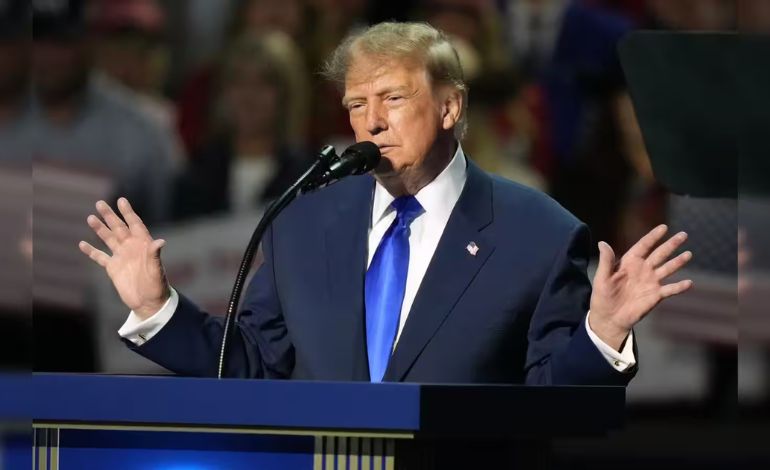
President Donald Trump has described the US effort as an “armed conflict” with cartels in Latin America, justifying the strikes as necessary to stem drug flows into the United States and combat fatal overdose deaths. The administration argues that escalated military action is essential to address the narcotics crisis affecting American communities.
However, critics have raised significant concerns about both the legal basis for the strikes and the lack of evidence supporting claims that targeted vessels carried drugs or were engaged in trafficking. The attacks represent a controversial expansion of military authority in international waters and raise questions about international law compliance and targeting procedures.
The campaign coincides with the largest US military presence in the region in generations. The escalation comes months after January’s dramatic raid that captured Venezuelan President Nicolás Maduro, who was transported to New York to face drug trafficking charges. Maduro has pleaded not guilty to the charges.
The ongoing strikes highlight the Trump administration’s prioritization of its “narcoterrorism” campaign despite competing demands from other global conflicts and security concerns. The military continues expanding its operations against suspected drug-trafficking vessels while critics question the legality, proportionality, and evidentiary basis for the strikes.
Legal experts have challenged whether the strikes conform to international maritime law and whether proper procedures exist to distinguish between legitimate maritime activity and actual drug trafficking. The lack of transparency regarding targeting decisions and evidence collection has drawn scrutiny from human rights organizations and legal scholars.
The administration’s approach represents a significant escalation in military involvement in drug interdiction, moving from traditional Coast Guard enforcement and naval interdiction to direct military strikes against suspected targets. This shift raises questions about oversight mechanisms, rules of engagement, and accountability for operations conducted in international waters.
Also Read:
Trump’s Hormuz Escort Strategy Triggers Iran’s Ceasefire Violation Claims
Two US Soldiers Missing in Morocco: Search Efforts Intensify