
South Korea’s Potential Role in the US Hormuz Operation Explained

South Korea said Tuesday it will carefully review its position on participating in American military operations to secure the Strait of Hormuz, responding to President Donald Trump’s urging after an apparent Iranian attack damaged a South Korean cargo vessel in the critical waterway.
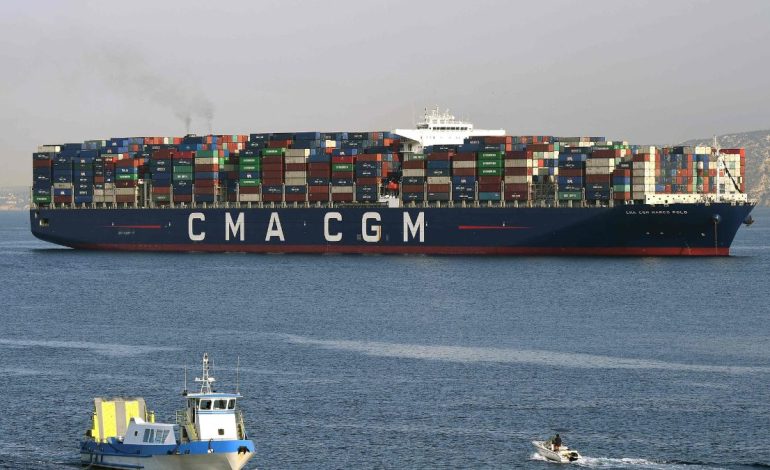
The incident involved the HMM Namu, a Panama-flagged cargo ship carrying 24 crew members including six South Korean nationals. The vessel caught fire following an explosion on Monday in the Strait, which has been effectively closed since the Iran war began on February 28. South Korean officials confirmed that all crew members remained safe and that the fire had been completely extinguished.
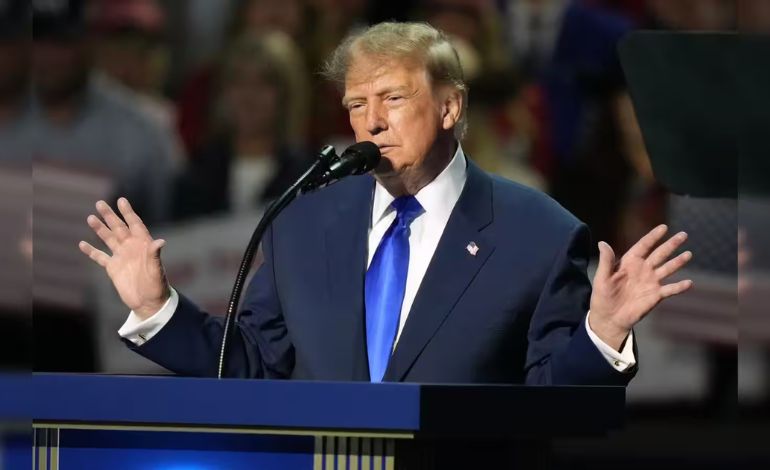
Trump directly appealed to South Korea to participate in US-led efforts to guide stranded ships through the Strait of Hormuz, citing the incident as evidence of the dangers facing maritime traffic in the region. The appeal carries strategic weight given South Korea’s dependence on energy exports flowing through the Strait and its close alliance with Washington.
South Korea’s defense ministry responded cautiously Tuesday, stating it would “carefully review our position” on potential involvement without committing to any specific action. The ministry outlined the factors guiding Seoul’s decision-making: compliance with international law, safety of international maritime routes, the US-South Korea alliance, and security considerations regarding the Korean peninsula.
The South Korean government emphasized that it has been “actively participating in international discussions on cooperation to ensure safe passage through the Strait of Hormuz,” suggesting openness to multilateral approaches while maintaining deliberation about direct military involvement in US-led operations.
The attack on the HMM Namu represents a concrete reminder of the risks facing commercial vessels transiting the Strait. South Korea, which depends heavily on imported oil and natural gas flowing through this critical passage, faces pressure from Trump’s administration to take a more active role in securing these vital sea lanes.
However, Seoul’s cautious response reflects complex considerations beyond the immediate Hormuz situation. South Korea must balance its strategic alliance with the United States against concerns about escalation in the Middle East and potential complications regarding security on the Korean peninsula. Any military commitment to Middle Eastern operations requires careful coordination with domestic political considerations and consultation with regional security priorities.
The incident also illustrates the vulnerability of commercial shipping in contested waters. The Strait of Hormuz, which normally carries roughly one-fifth of global oil and liquefied natural gas trade, has experienced repeated attacks and incidents since the conflict began, making maritime security a paramount concern for energy-dependent nations.
South Korea’s review of its position will likely conclude within days, potentially setting precedent for how other allied nations respond to Trump’s call for greater participation in Gulf security operations. The decision carries implications for broader regional security arrangements and the extent to which Washington can assemble international support for its Hormuz initiative.
Also Read:
Trump’s Hormuz Escort Strategy Triggers Iran’s Ceasefire Violation Claims
Two US Soldiers Missing in Morocco: Search Efforts Intensify