


Narendra Modi’s Party Secures Historic Victory in West Bengal State Election
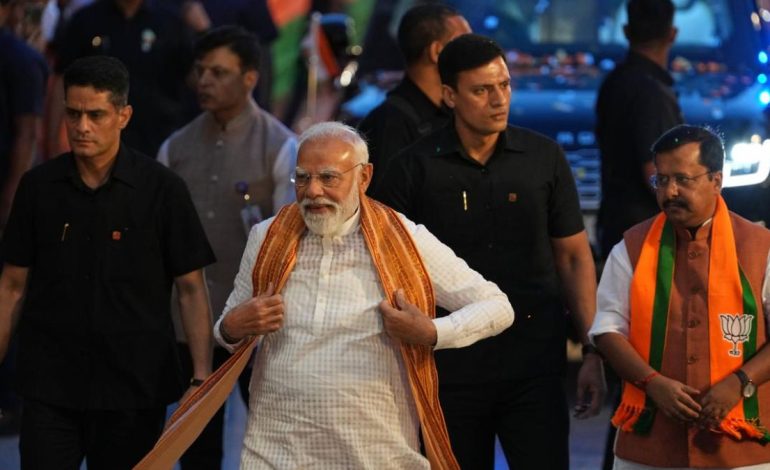

Indian Prime Minister Narendra Modi’s ruling Bharatiya Janata Party has achieved a historic breakthrough by wresting control of West Bengal, a politically influential state that has resisted the party’s dominance for years and served as the power base of one of Modi’s most prominent critics.
Partial election results released Monday showed the BJP won at least 124 seats in the 294-member West Bengal assembly while leading in 83 others. The victory ends over a decade of rule by Chief Minister Mamata Banerjee and her All India Trinamool Congress party, which has governed the state since 2011.
This represents a significant political achievement for Modi’s party. The BJP had attempted unsuccessfully for years to gain control of West Bengal, a state with deep historical significance in Indian politics. Banerjee had emerged as a prominent national opposition leader, positioning herself as a key figure capable of uniting regional parties against Modi’s dominance nationwide.
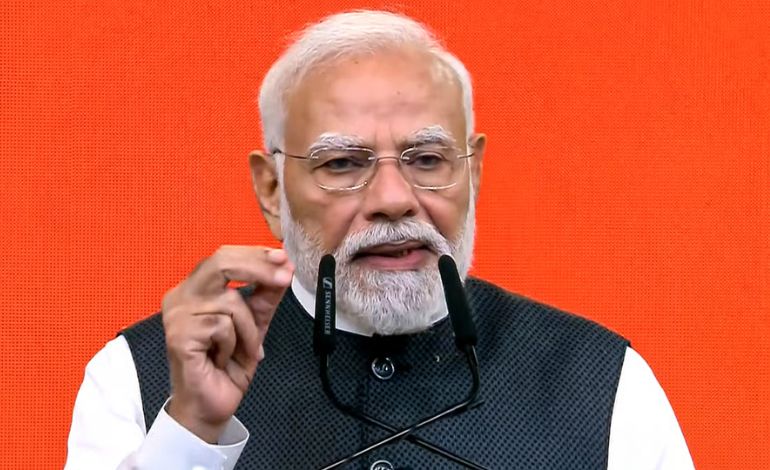
Addressing supporters at BJP headquarters in New Delhi, Modi celebrated the results as evidence of his party’s expanding electoral appeal in a state where it historically struggled. “A new chapter has been added to Bengal’s destiny,” he told supporters, emphasizing the significance of the breakthrough.
The victory carries implications beyond West Bengal. Banerjee’s defeat weakens her leverage within an already fractious opposition alliance divided by competing regional interests. India’s opposition has struggled to mount a unified challenge to the BJP’s national dominance, and the loss of one of its most prominent leaders undermines opposition cohesion.
The election results in West Bengal occur within a broader pattern of electoral success for Modi’s party across India. April elections saw the BJP retain power in the northeastern state of Assam for a third consecutive term. In other states, there were mixed results: Tamil Nadu saw film star Joseph Vijay’s newly formed Tamilaga Vettri Kazhagam party defeat the ruling DMK government, while in Kerala, the opposition Indian National Congress-led coalition defeated the ruling communist government.
The West Bengal victory strengthens Modi’s position midway through his third term as prime minister. The 2024 national election required his party to rely on regional allies to form a government after losing its parliamentary majority. The state election results suggest renewed momentum heading toward 2029, when Modi is expected to seek an unprecedented fourth consecutive term.
Opposition parties have criticized the West Bengal election process, claiming the Election Commission removed millions of voters from electoral rolls before polling began. These objections highlight ongoing tensions about electoral integrity and fairness in India’s democratic process.
India’s electoral landscape remains fluid, with staggered elections across its 28 states and eight federal territories occurring throughout the year. The West Bengal outcome demonstrates that despite opposition criticism, Modi’s party continues to expand its geographic reach and electoral support, consolidating control over India’s regional political landscape.
Banerjee’s ouster represents a significant setback for opposition unity at a time when such cohesion was seen as essential for mounting an effective challenge to the BJP’s entrenched dominance in Indian politics.
Also Read:
Trump’s Hormuz Escort Strategy Triggers Iran’s Ceasefire Violation Claims
Two US Soldiers Missing in Morocco: Search Efforts Intensify