

Iraq Deadlock Persists: Who Could Break the Stalemate for Prime Minister?
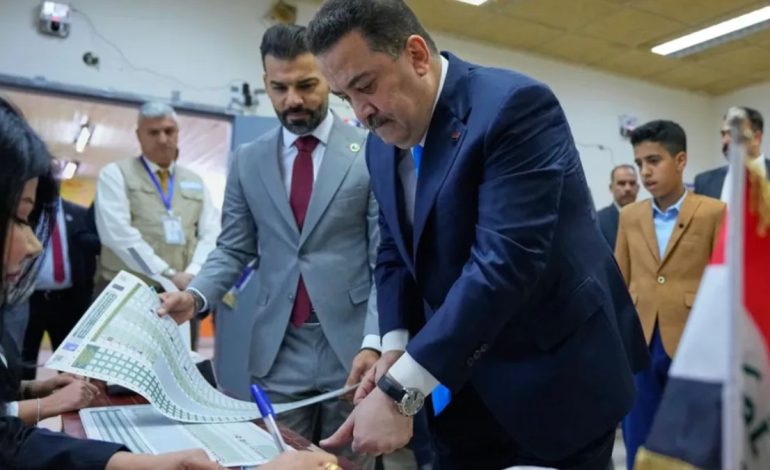

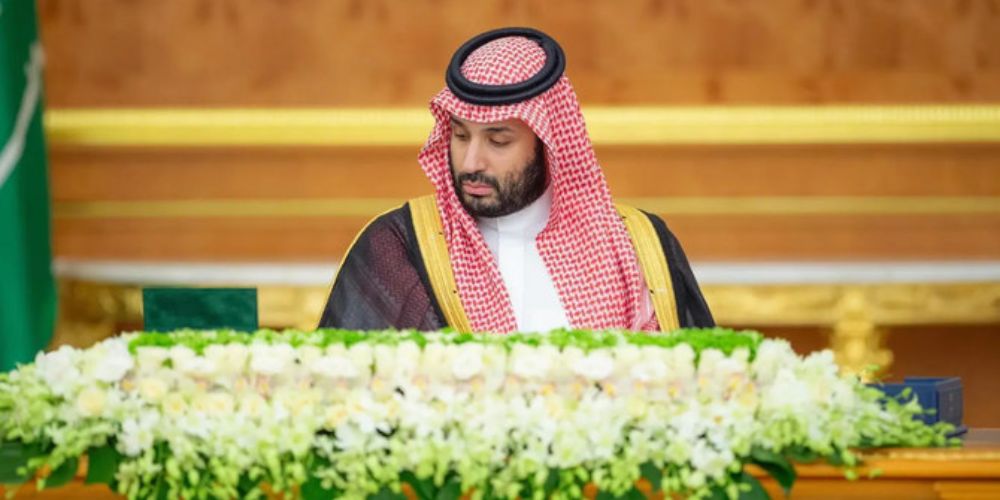
Iraq’s ruling Shiite coalition is at an impasse. After three meetings this week, the Coordination Framework has failed to reach agreement on a new prime minister candidate, with the bloc’s preferred choice effectively blocked by external pressure.
The stalemate centers on Nouri Al-Maliki, a two-time former premier and the initial frontrunner for the position. Al-Maliki carries significant support within the Coordination Framework—the ruling alliance of Shiite groups with varying ties to Iran—but his path back to power has been blocked by Washington.
In January, US President Donald Trump made clear the consequences: the US would cease support for Iraq if Al-Maliki returned to the premiership. For a nation dependent on American military and financial backing, the warning carried weight. While the Coordination Framework has not formally withdrawn its endorsement, the pressure has effectively knocked Al-Maliki out of contention.
Who’s Next?
The coalition is now exploring alternatives. Three names dominate discussion: incumbent Prime Minister Mohammed Shia Al-Sudani, intelligence chief Hamid Al-Shatri, and Bassem Al-Badri, who heads the committee responsible for barring members of Saddam Hussein’s Baath party from public office.
The coalition plans to meet again on Saturday to decide on a candidate, but consensus remains elusive. Each option carries different implications for Iraq’s political direction and international relationships.
Iraq’s Balancing Act
The deadlock underscores a fundamental challenge Iraq has navigated for decades: managing the competing interests of two powerful neighbors and allies with opposing agendas. Iran has historically supported figures like Al-Maliki, while the United States has sought to limit Tehran’s influence over Baghdad.
Normally, nomination by the largest Shiite bloc effectively brings a candidate to power through presidential appointment—a straightforward process. But Trump’s intervention disrupted that calculus, forcing Iraq’s political leadership to choose between domestic coalition preferences and maintaining critical US support.
What Comes Next
The Saturday meeting will be crucial. Iraq needs a functioning government, and prolonged uncertainty only increases instability. Whatever emerges from these discussions will say much about whether Iraq can find leadership that satisfies both its domestic coalition partners and its international allies—or whether the nation remains caught between conflicting pressures.
Also Read:
Lebanon Faces Pressure from US to Rethink Israel Boycott Policy Ahead of Talks