



Why Synthetic Data Falls Short Without Real Human Insight


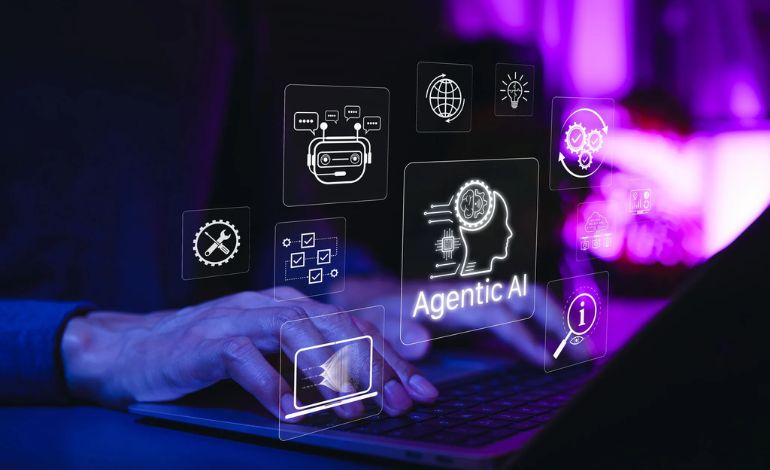
Synthetic data is having a moment. Generated from vast pools of existing information, it promises fast, cheap predictions of how customers might respond to a campaign. But relying on it alone is a dangerous gamble.
The problem is simple: synthetic data offers no original insight. It only predicts based on what people have said in the past—complete with all the inaccuracies and biases of those earlier sources. It cannot tell you what your customers actually think right now.
As Jane Frost, chief executive of the Market Research Society, puts it: the most valuable insights often come from face‑to‑face conversations. She recalls working with truck drivers in the Middle East who assessed engine oil quality by rubbing thumb and middle finger together—a physical gesture no algorithm would ever capture from written transcripts.
Focus groups are unpredictable. They debunk hypotheses. They reveal what data alone hides. Without engaging real people, marketers risk entire campaigns misfiring—a financial and reputational blow few can afford.
There is a deeper societal cost too. Synthetic systems tend toward the average, reinforcing existing biases and missing the views of underrepresented groups. As Caroline Criado‑Perez’s book Invisible Women shows, decision‑making dominated by one slice of society has real‑world consequences.
Synthetic data has its uses: testing hypotheses quickly, speeding up analysis. But it is not a substitute for genuine human insight. The best research marries the speed of new tools with the depth of real conversation.
Also Read:
Heavy Rains Transform Dry Ancient Pond in Northern Saudi Arabia
Saudi FM at Antalya Meeting on Gaza: Important Outcomes and Insights