



What the GCC Joint Statement Means for the Future of Tourism Growth
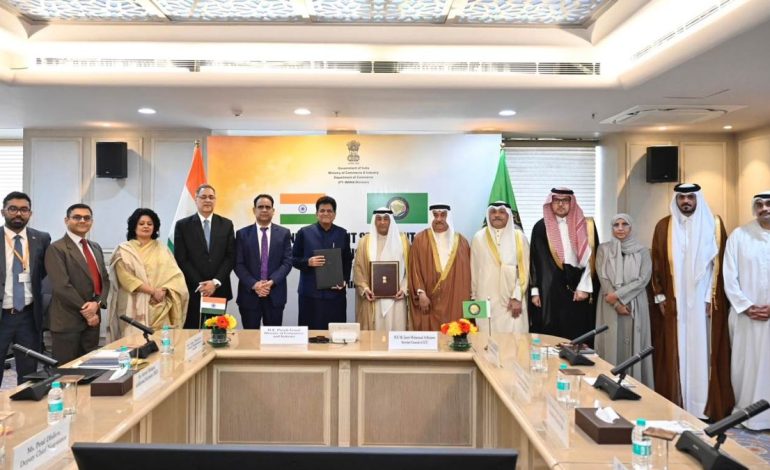

The tourism ministers of Gulf Cooperation Council states met April 7 to assess the impact of regional instability on tourism and reaffirmed their commitment to maintaining growth, safety, and investment in the sector despite security challenges.
Condemning Attacks on Tourism Infrastructure
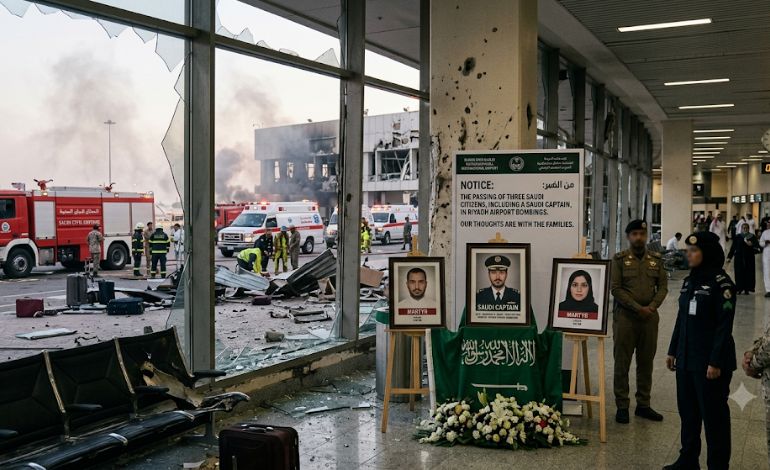
The ministers issued a strong condemnation of Iranian attacks on civilian infrastructure, specifically noting that tourism facilities including hotels have been deliberately targeted. They characterized these attacks as violations of sovereignty, territorial integrity, and international law, calling on Iran to comply with UN Security Council Resolution 2817.
The statement underscored the direct impact of regional aggression on the tourism sector and the GCC states’ determination to hold responsible parties accountable through international legal mechanisms.
Tourism as Economic Pillar
The ministers emphasized that Gulf states view tourism as a vital pillar of sustainable economies and a channel for economic prosperity and community development. Despite security concerns, GCC leadership remains committed to advancing tourism sector development as part of broader economic diversification strategies.
This commitment reflects the region’s recognition that tourism revenue, employment, and international engagement serve critical economic functions beyond traditional energy sectors.
Operational Continuity and Safety
A central message of the statement was assurance regarding operational continuity. The ministers emphasized that tourism facilities across GCC member states continue operating according to approved frameworks, reflecting high readiness and capacity management. They stressed that visitor safety remains a steadfast priority, with competent authorities demonstrating clear capability to manage security effectively.
The statement reflected confidence in regulatory systems and infrastructure designed to maintain stable tourism operations even amid regional tensions.
Joint Coordination and Rapid Response
The ministers announced plans for enhanced coordination between Gulf tourism authorities, including development of joint rapid-response mechanisms for potential disruptions. This coordinated approach aims to ensure sustained momentum in tourism initiatives while building resilience against future challenges.
The emphasis on integration and unified action signals that GCC states view tourism sector stability as a collective concern requiring coordinated solutions.
Investment Protection and Growth
The ministers reaffirmed full GCC commitment to supporting tourism investments and protecting projects from negative impacts. They outlined continuation of joint tourism initiatives and programs designed to enhance cooperation and integration across Gulf tourism sectors.
This commitment to investment protection signals stability to both domestic and international investors considering long-term tourism projects in the region.
Crisis Management Expertise
GCC states possess established expertise in crisis management developed through experience with geopolitical, economic, and health-related challenges. The statement highlighted how past successes have enabled development of flexible and responsive systems capable of overcoming current obstacles.
This experience-based confidence suggests that GCC tourism sectors have developed sophisticated mechanisms for managing disruption while maintaining growth trajectories.
The Path Forward
Despite regional instability, the GCC joint statement projects confidence that the tourism sector will continue its developmental momentum. The ministers emphasized that current challenges do not alter the sector’s long-term growth path but rather demonstrate its structural strength and resilience.
The statement reflects a broader GCC strategy to maintain tourism growth as central to economic diversification and prosperity, regardless of security pressures. By emphasizing operational continuity, visitor safety, investment protection, and coordinated action, GCC tourism ministers sent a message that the region remains committed to its position as a major global tourism destination.
The continued activation of the GCC Tourism Strategy aims to elevate national economies, provide employment opportunities, and deliver exceptional visitor experiences—even amid the most challenging regional circumstances.
Also Read:
Japan Denounces Attacks on Saudi Energy Sites, Offers Condolences to Victims
How AlUla is Using Saffron Cultivation to Strengthen Its Agriculture Sector