




How AlUla is Using Saffron Cultivation to Strengthen Its Agriculture Sector
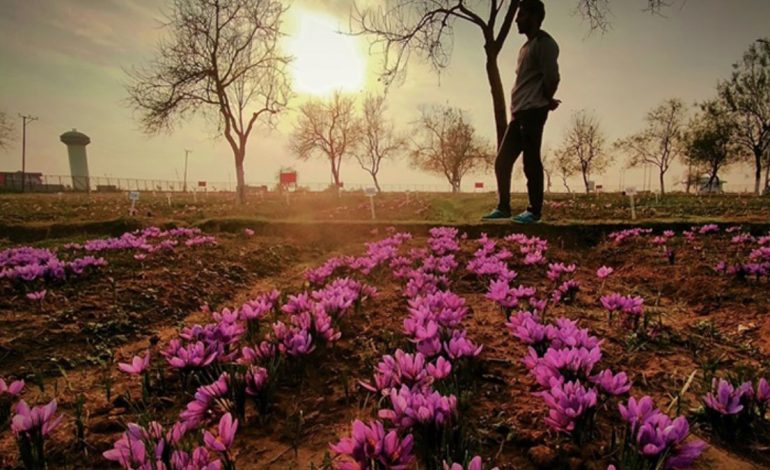

AlUla governorate is expanding saffron cultivation as a high-value crop, leveraging the region’s unique environmental conditions and soil composition to enhance agricultural sustainability and economic returns.
The Estidamah Project
The Kingdom’s saffron localization initiative, known as Estidamah, was launched in 2024 by the National Research and Development Center for Sustainable Agriculture in cooperation with the Ministry of Environment, Water and Agriculture and King Saud University. The project has successfully produced premium-grade saffron meeting ISO 3632 international standards.
Scientific and field trials conducted across AlUla demonstrated the region’s suitability for saffron cultivation. Its soil and environmental conditions proved ideal for growing this high-value crop, opening new opportunities for farmers seeking to diversify their agricultural portfolios.
Comprehensive Support System
The project extends far beyond seed distribution. Farmers receive specialized training covering every production stage—from soil preparation and crop management through harvesting and processing. This integrated approach helps improve efficiency and ensure consistent product quality.
The support system encompasses technical guidance, advisory services, ongoing training, and regular field monitoring. This combination of resources has proven effective in translating knowledge into tangible improvements for participating farmers.
Impressive Scale
The initiative has distributed more than 500,000 saffron corms to 43 farmers across 10 regions of the Kingdom. Results have been implemented on more than 40 farms, with the project generating valuable agricultural data and refining best practices for saffron production in Saudi conditions.
Real-World Impact
Farmer Afat Al-Anazi has experienced direct benefits from the program. “The support enhanced my experience and yielded tangible improvements in production quality,” he said, emphasizing the importance of continuous specialist follow-up in refining agricultural practices.
Al-Anazi encouraged other farmers to participate in the programs and diversify their crops, noting that doing so boosts economic returns while supporting the national economy.
Economic and Strategic Benefits
The saffron project advances broader agricultural goals by introducing high-value products into AlUla’s crop system. This diversification enhances economic sustainability and reduces reliance on traditional crops. For the region, saffron represents an opportunity to capture premium market value while utilizing land and environmental resources more productively.
The success in AlUla demonstrates Saudi Arabia’s commitment to localized agricultural innovation and sustainable farming practices that strengthen rural economies.
Also Read:
Two Injured in Bahrain Drone Strike Linked to Iran
Tragedy in Lebanon: Man Hunts for Family Mementos in Bombed Home