



When Words Become Medicine: Why Kind Communication Matters in Healthcare


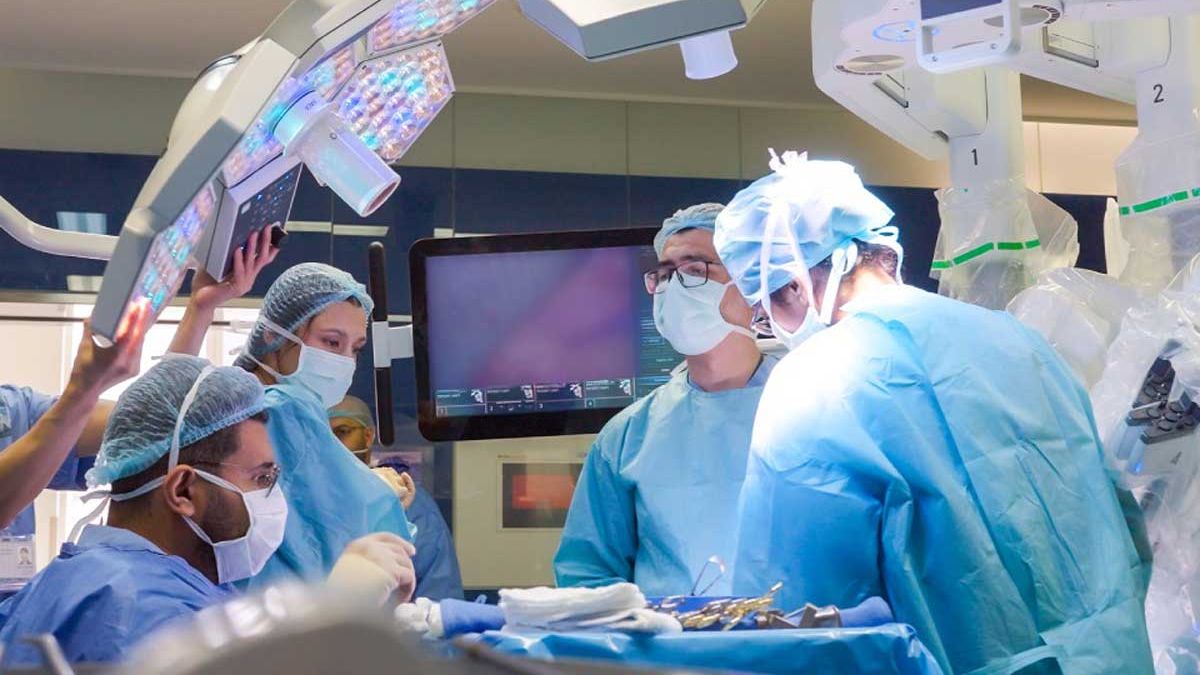
Despite remarkable advances in medical diagnostics and treatment technology, a troubling gap remains: many patients leave their appointments feeling unheard, rushed, and emotionally unsupported. The issue isn’t a failure of science it’s a failure of connection.
The Missing Piece in Modern Medicine
The past decades have delivered extraordinary breakthroughs in how we diagnose and treat disease. Yet alongside these scientific triumphs, healthcare professionals are increasingly recognizing an uncomfortable truth: medicine cannot be reduced to diagnosis and prescription alone.
Healthcare leaders, including physicians like Dr. Sofica Bistriceanu, are drawing attention to a powerful yet often overlooked reality the way professionals communicate with patients profoundly influences the quality of healing. Compassionate communication is not an optional soft skill or a luxury. It is a clinical asset that directly shapes trust, outcomes, and the overall experience of care.
Treating the Person, Not Just the Disease
A diagnosis identifies what is wrong medically, but it captures almost nothing about the patient’s fear, uncertainty, or personal circumstances. Patients do not arrive at appointments as diagnoses. They arrive as people carrying stories, concerns, and emotional weight that no prescription can address alone.
Human-centered communication acknowledges this reality. When physicians take time to listen without interruption, explain information clearly, and respond with genuine empathy, something shifts. Patients feel valued. They feel understood. This sense of being truly heard can reduce anxiety, improve willingness to follow treatment recommendations, and create a stronger foundation for effective care.
Research consistently shows that when patients feel respected and informed, they are more likely to ask important questions, report symptoms accurately, and remain committed to their treatment plans.
How Communication Shapes Health Outcomes
The connection between how a patient is treated and how they heal is no longer theoretical. Real-world evidence demonstrates that communication quality matters as much as medication quality.
When healthcare professionals practice compassionate communication, measurable benefits emerge:
- Patient trust and satisfaction increase significantly
- Anxiety and emotional distress diminish
- Shared decision-making becomes possible, improving patient buy-in
- Long-term doctor-patient relationships strengthen
- Adherence to care plans improves substantially
In this way, empathy becomes far more than a moral virtue it becomes a practical tool that enhances clinical effectiveness. A patient who feels heard is a patient more likely to heal.
The Burnout Connection: Healing the Healers
Healthcare professionals face relentless pressure. Time constraints, mounting administrative demands, and accumulated emotional fatigue have contributed to widespread burnout among doctors, nurses, and other clinicians. The irony is stark: the human connection that drew many of these professionals into medicine in the first place is often the first casualty of these pressures.
Intentional, compassionate communication can reverse this trend. When doctors engage authentically with patients truly seeing them and responding to their needs consultations transform. They cease to be items on a to-do list and become moments of genuine purpose. This shift benefits not only patients; it restores meaning and resilience to professional practice itself.
Listening: An Underrated Clinical Skill
Listening is often underestimated in medical training, yet it remains one of the most powerful tools a clinician can develop. Active, attentive listening allows physicians to detect subtle cues, understand what patients truly prioritize, and tailor care more effectively.
Clear, kind communication also prevents misunderstandings that lead to medical errors and frustration on both sides. Counterintuitively, being fully present with a patient often saves time by preventing the repeated explanations and additional follow-up visits that confusion or mistrust create.
In many cases, a few minutes of genuine listening eliminates hours of downstream problems.
Setting a Higher Standard
As healthcare systems modernize and expand their capabilities, a critical realization is taking hold: efficiency alone is insufficient. High-quality care must balance technical excellence with emotional intelligence.
Compassionate communication sets a higher standard. It reminds the profession that medicine exists not merely to cure disease, but to support human beings through some of life’s most vulnerable and frightening moments. That responsibility demands both knowledge and presence.
The Future of Healing
Technology will undoubtedly continue to transform healthcare delivery. Machines will become faster, data systems more sophisticated, and diagnostic tools more precise. But human connection the capacity to truly listen, understand, and respond with care will always remain irreplaceable.
The future of medicine depends on professionals who can seamlessly combine scientific expertise with empathy, clarity, and respect. When words are chosen with care and listening becomes intentional, communication itself transforms into a form of healing. In that space, the impact extends beyond the body to reach the whole person.
In Closing
Compassionate communication is not an abstract ideal or a luxury reserved for those with time to spare. It is a practical, teachable, and essential component of effective healthcare. By valuing presence, empathy, and genuine understanding, the medical profession can fulfill its highest calling: to heal with both knowledge and humanity.
The cure, after all, begins with being heard.