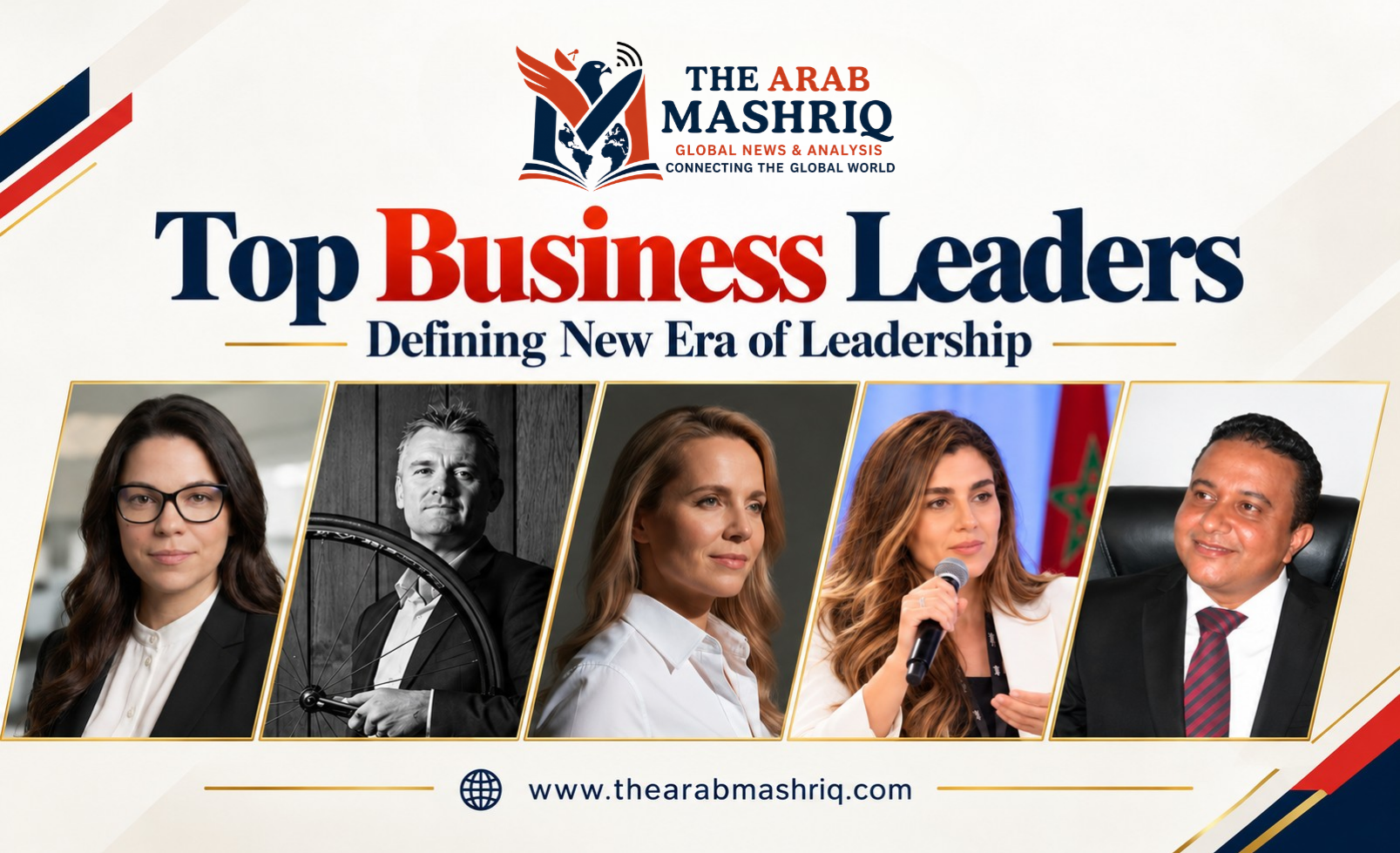



Top 10 Business Leaders Defining New Era of Leadership

Leadership is being redefined. In an economy shaped by rapid technological change, shifting markets, and rising expectations, the leaders who matter most are those who combine vision with adaptability, expertise with integrity, and ambition with a genuine commitment to people. Titles and scale still count, but they no longer tell the whole story.
This edition of The Arab Mashriq brings together leaders who embody that shift. They work across digital assets and fibre optics, audit and legal services, energy, psychology, gold trading, entrepreneurship policy, and even literature. Their paths differ, yet each has built something of lasting value, whether a company, a capability, an ecosystem, or a body of work that others can learn from.
Their stories reflect the full range of modern leadership: founders connecting traditional finance with new technology, specialists carrying deep expertise across borders, advisers strengthening trust and governance, and educators and authors preserving knowledge for the next generation. Each journey offers practical insight for entrepreneurs, executives, and investors who want to understand what leadership demands today and where it is heading next.
Top 10 Business Leaders Defining New Era of Leadership
These are the leaders defining a new era. And this is where their stories begin.
Anwar Shadath: Building the Bridge Between Traditional Finance and Digital Assets Through Monetaire
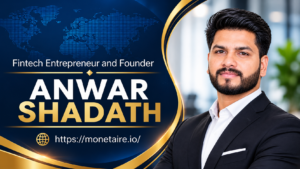
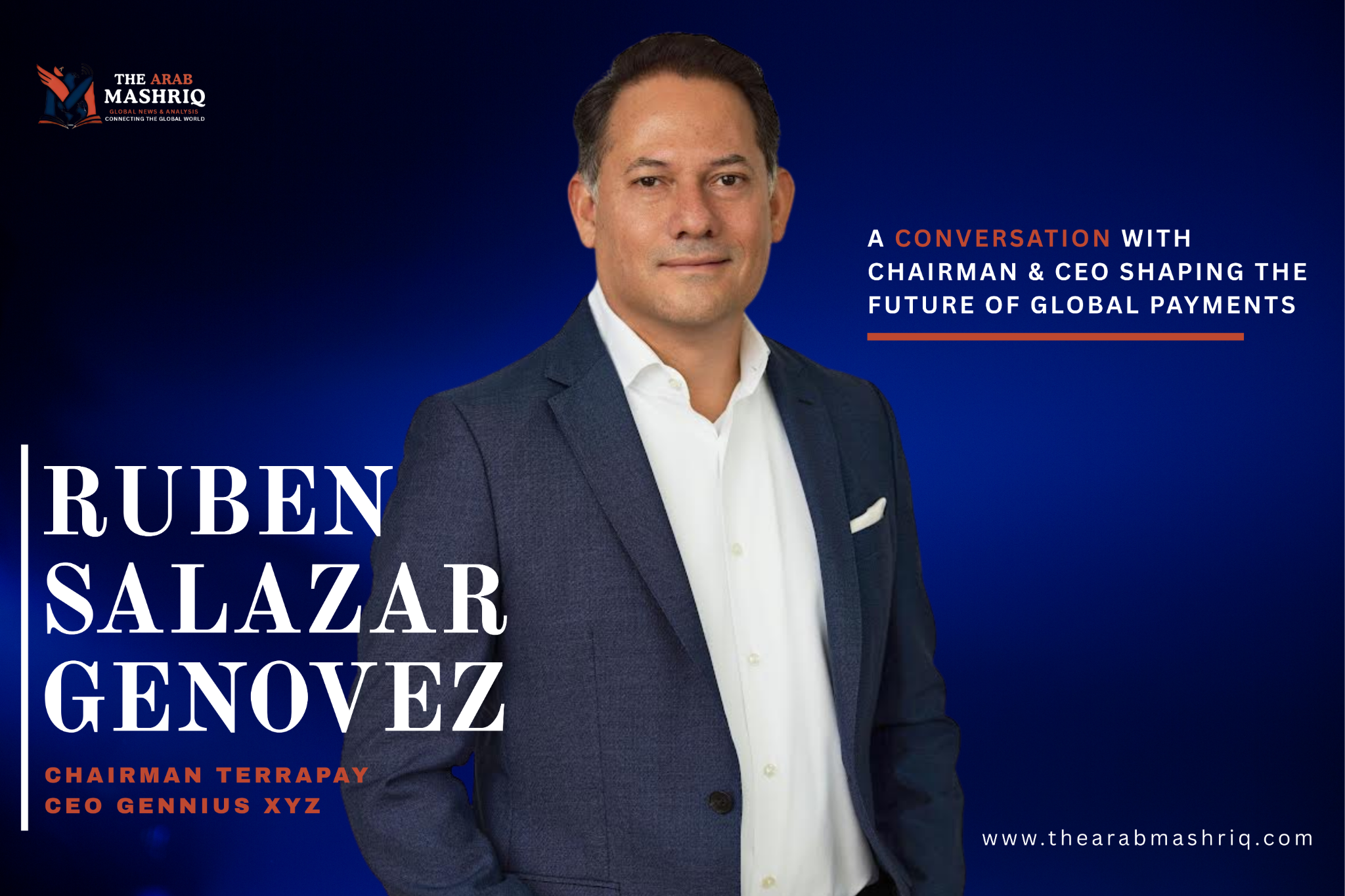
For Anwar Shadath, the future of financial services lies not in choosing between traditional finance and digital assets, but in bringing them together. With over a decade of experience across fintech, institutional digital assets, and global payments, he has built his career around a conviction that financial innovation must go beyond technology: it must create practical, accessible, and scalable solutions for businesses operating in an increasingly interconnected world. Based in Dubai, United Arab Emirates, Anwar Shadath has developed his professional journey across the GCC, MENA, and Southeast Asia, working with institutional investors, family offices, high-net-worth individuals, fintech businesses, and digital asset companies. He has held business development and leadership positions at organisations including Bybit, CoinMENA, BitDelta, and XT.com, building institutional relationships, developing commercial opportunities, and supporting the expansion of digital asset businesses across international markets. At BitDelta, he contributed to more than $500 million in OTC trading activity and secured strategic partnerships that supported the company’s commercial growth, experience that shaped his understanding of institutional client requirements, financial market dynamics, and the importance of trusted relationships in a rapidly evolving industry.
Today, Anwar Shadath’s ambitions extend beyond commercial growth. As Founder of Monetaire, he is building financial infrastructure that enables businesses to access financial products without the complexity of developing the underlying systems themselves. Monetaire connects traditional financial services with the digital asset economy through infrastructure supporting crypto-fiat card programmes, multi-currency accounts, global IBANs, cross-border remittance, and embedded financial services through licensed partners. The idea reflects a challenge Anwar has observed throughout his career: while digital assets have transformed how value can be created and transferred, businesses continue to face fragmented financial infrastructure, complex integrations, and barriers to accessing global financial services. His vision is to simplify this landscape with a unified infrastructure layer that enables fintechs, SaaS platforms, marketplaces, and global businesses to launch and scale financial products more efficiently. For Anwar, building Monetaire is not simply about introducing another fintech platform; it is about contributing to a broader transformation in how financial services are delivered, one defined by interoperability, regulatory collaboration, and the seamless connection of fiat and digital asset ecosystems.
His leadership philosophy is rooted in a simple principle: infrastructure should enable innovation, not become a barrier to it. Anwar Shadath believes that successful businesses are built by identifying genuine market gaps, understanding customer challenges, and developing the right solutions through commercial vision, operational discipline, and strong partnerships. Having worked across multiple markets and financial ecosystems, he recognises that the future of fintech will be shaped by collaboration among traditional banks, licensed payment providers, fintech innovators, and digital asset businesses, each of which plays an important role in the next generation of financial services. His ambitions are closely aligned with the evolving financial landscape of the GCC, where digital transformation and global connectivity continue to create opportunities for entrepreneurs, and he sees Dubai in particular as a strategic bridge between established financial centres and emerging digital economies. Looking ahead, his focus is on building Monetaire into a scalable financial infrastructure business that supports the next generation of global fintech companies. For Anwar Shadath, the next chapter of financial innovation is not about replacing traditional finance with digital assets, but about creating a more connected financial system in which both work together, and the most enduring businesses will be those that build the infrastructure, partnerships, and trust required to make that possible.
Kanwarjit Singh Ahluwalia: Nearly Four Decades of Light, Carrying Fibre Optic Expertise from Finland to Saudi Arabia, Egypt, and Morocco
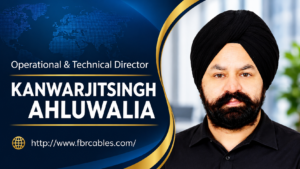
In the telecommunications world, networks are built by people before they are built from cable. Few people illustrate this better than Kanwarjit Singh Ahluwalia, a mechanical engineer whose career has taken him across four countries and helped establish fibre optic cable manufacturing in three of them. He began in 1988 as an engineer at Telephone Cables Limited in India, working on copper cable production, planning, and scrap control. As the industry moved towards optical fibre, he was already part of its early growth: in 1994 he helped start a fibre optic plant in India from the ground up, and in 1995 he did the same in Saudi Arabia. In 1996 he received specialised training at Nokia in Finland, covering fibre optic cable machines at Nokia Maillefer / Nextrom in Helsinki, and cable design, production, process, research and development, and quality control at the Nokia Cables factory in Oulu. At the time, Nokia was one of the most respected names in global telecommunications, and the training gave him a rare combination of engineering fundamentals and hands-on manufacturing expertise that has shaped his work ever since.
What sets Kanwarjit Singh Ahluwalia apart is that he has not only worked in the cable industry; he has helped create new parts of it. In Saudi Arabia, at Riyadh Cables, he set up fibre optic production, secured approval from Saudi Telecom Company (STC), and contributed to writing and reviewing STC’s technical specifications for fibre optic cables. In 2009 he started the fibre optic plant of Elsewedy Cables in Cairo, one of the largest cable groups in the Middle East and Africa, where he obtained approvals from Telecom Egypt and Saudi Telecom, standardised cable designs under the Com Core brand, and approved Corning as a fibre supplier. From 2014 he led the creation of the FBR Cables fibre optic plant at Berrechid in Morocco, winning the approval of INWI, Orange, and Maroc Telecom, the country’s major telecom operators. In each case he managed the work from the first day: choosing equipment, designing cables, training staff, running trials, and winning customer approval, all while handling production targets, quality control, scrap control, and cost reduction.
Technology only matters when people can use it, and the transfer of knowledge is among the most lasting parts of Kanwarjit’s career. In the plants he started and managed, he trained employees in cable design, production, process control, and quality systems, creating teams able to run these operations long after the start-up phase. His work also extended to quality assurance on a wider scale: he audited fibre manufacturers in India and China for Riyadh Cables in 2008, attended international seminars including an FTTH seminar in Paris and an ITU-T seminar in China, and is trained as an internal auditor for quality systems. Since December 2014 he has served as Operational and Technical Director of FBR Cables in Morocco, and through his consultancy, KJS Consulting, he advises telecom operators, contractors, and infrastructure developers on fibre optic cables and accessories, from product selection and technical specifications to quality assessment and deployment strategy. Combining technical depth with cross-cultural experience and a calm, team-focused leadership style, Kanwarjit Singh Ahluwalia shows that real expertise is measured not only by what a person builds, but by what he leaves behind: plants that continue to operate, networks that keep communities connected, and a generation of engineers who learned their craft from him.
Tarek Soliman: Strengthening Trust in Financial Reporting and Sustainability Assurance Across the Middle East
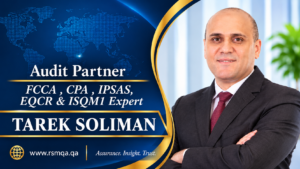
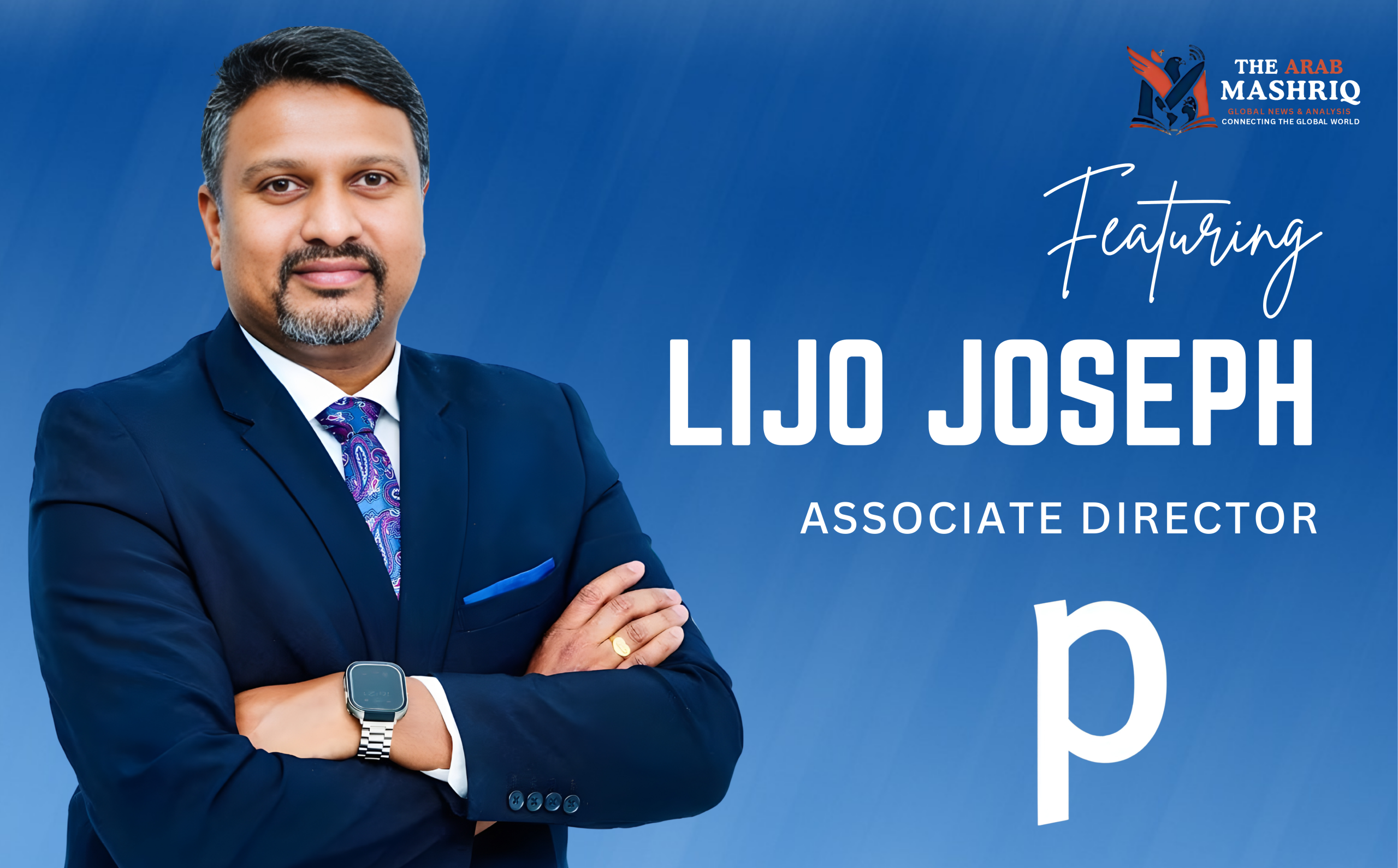
Tarek Soliman is an Audit Partner at RSM Qatar, where he leads external audit and assurance engagements for listed companies, financial institutions, and government entities. His career is built on a simple conviction: capital markets, regulators, and the public can only make sound decisions when financial information can be trusted. Over more than two decades, Tarek Soliman has worked to make that trust earned rather than assumed. He has challenged complex judgements, raised the bar on audit quality, and helped organisations meet fast-changing reporting and regulatory expectations in Qatar and the wider Gulf. Tarek began with a Bachelor of Commerce in Accounting from Tanta University and has worked in Egypt, Saudi Arabia, and Qatar at EY, PwC, Deloitte, and KPMG, rising to Director at KPMG. He then joined Mazars Qatar as Audit Partner, became its Head of Audit in 2023, and moved to RSM Qatar in 2025.
Along the way, Tarek Soliman became a sought-after engagement quality control reviewer (EQCR) and a specialist in ISQM 1 quality management, with technical depth spanning IFRS, IPSAS, and banking and financial services. He is a Fellow of ACCA and a member of CPA Australia, and he holds the ACCA CertIPSAS and a Sustainability Assurance Certificate. He has also passed CFA Level 1 and completed the NYU Stern Executive Program. This combination of regional experience across the Big Four and mid-tier firms, rigorous technical credentials, and senior leadership gives him a rare perspective on what high-quality audit and assurance work demands in the Gulf’s fast-developing markets.
Today, Tarek Soliman is focused on where the profession is heading next. He has helped build ESG and IFRS S1/S2 sustainability assurance and advisory services for Qatari corporates, so that sustainability reporting is held to the same standard as the financial statements. He also contributes to the profession’s response to new standards such as IFRS 18. He sees the leader of this new era as someone who pairs technical rigour with transparency and the agility to guide organisations through constant regulatory change. He also believes that leader has a responsibility to develop the next generation of audit professionals in the region.
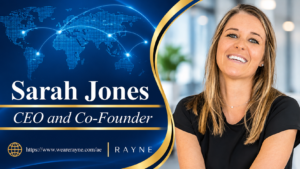
Sarah Jones: Redefining Legal Services in the Middle East Through Innovation, Flexibility, and Entrepreneurial Vision
 ㅤ
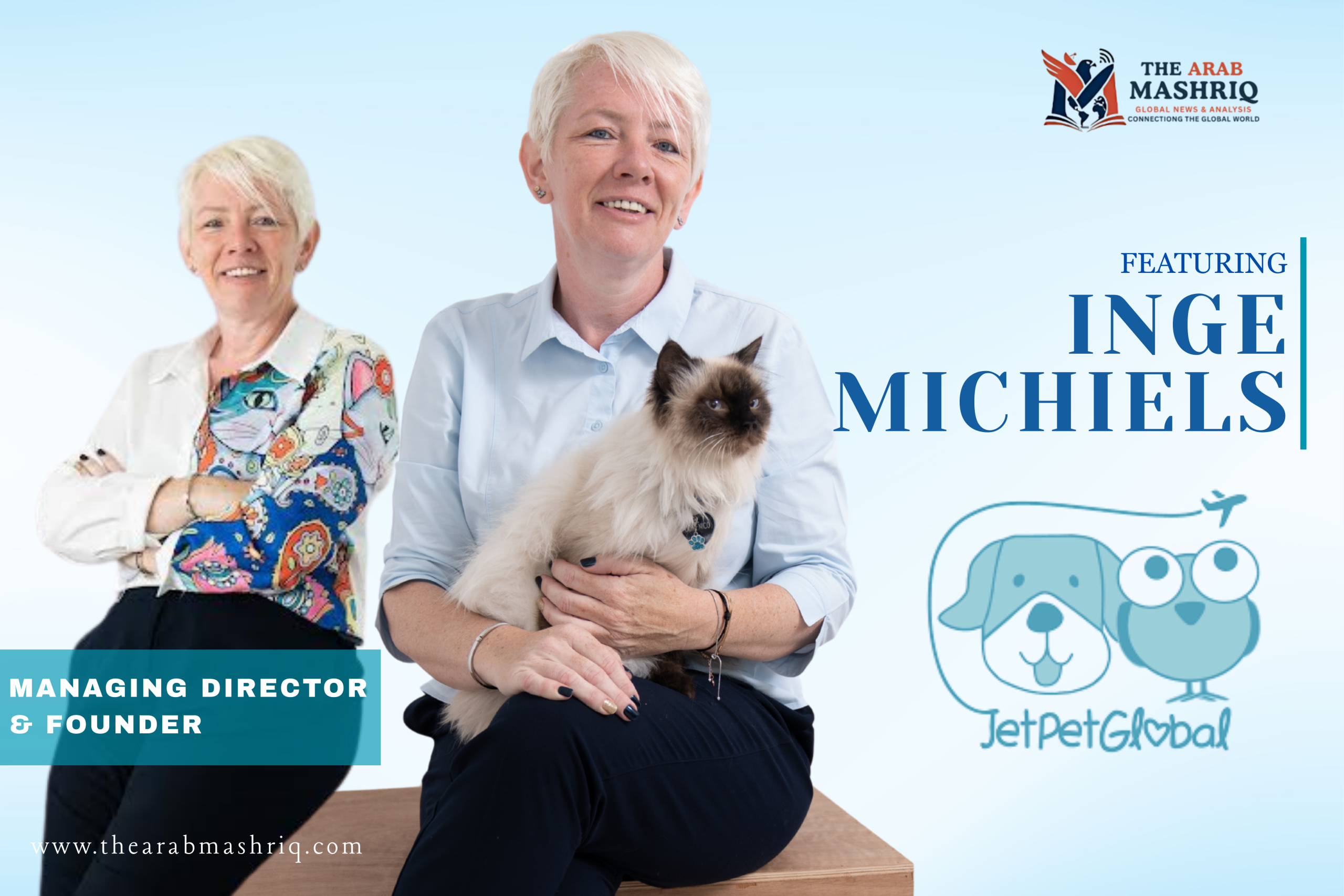
Sarah Jones is the CEO and Co-Founder of RAYNE, a leading alternative legal services provider transforming how legal teams scale and operate across the Middle East. In just three years, Sarah has co-built a rapidly growing business with a team of over 150 exceptional lawyers, supporting some of the region’s leading companies through flexible interim and fractional legal solutions. With seven industry award nominations in 2026 alone, RAYNE is being recognised for its innovation in the legal services sector. A passionate advocate for more progressive ways of working, Sarah is focused on challenging traditional career models, giving legal professionals greater control over their careers while delivering exceptional legal expertise to businesses across the region.
ㅤ
Named one of the UAE’s Top Women CEOs and one of the 50 Most Influential Brits in the UAE, Sarah is an experienced entrepreneur with a background in building and scaling businesses. Having started her career in M&A at Deloitte in London and Dubai, she has spent much of her career challenging traditional business models and identifying opportunities to do things differently. As a mother of five, Sarah is particularly passionate about building businesses that demonstrate how professional ambition, flexibility and commercial success can go hand in hand.
Dr. Hazem Said: Shaping the Future of the Energy Industry Through AI, Digital Transformation, and Intelligent Leadership
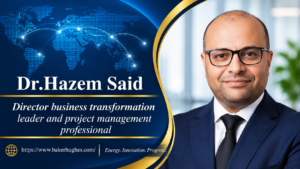
Dr. Hazem Said is an accomplished energy industry director business transformation leader and project management professional with more than two decades of international experience across the energy and oilfield services industries. Throughout his career he has held several regional and global leadership positions with leading international organizations including Baker Hughes, GE, Vetco Gray, and Wood Group, driving strategic business transformation and operational excellence and the successful delivery of complex large-scale energy projects across the Middle East, North Africa , Türkiye and India (MENATI) region. His expertise spans mega-project execution, project and portfolio management, business operations, field services, manufacturing and strategic leadership with a proven track record of translating business strategies into sustainable operational and financial results. Beyond project delivery Dr. Hazem has played a significant role in building organizational capabilities and developing future industry talent. He co-founded and helped establish a dedicated Product Line Technical Academy creating a structured platform for technical training and competency development, and knowledge transfer. The academy has served and developed hundreds of employees, field service engineers, technical specialists, leaders and managers as well as professionals from customer organizations strengthening technical excellence and workforce readiness across the industry.
Holding a Doctorate in Business Administration (DBA), with a specialization in Digital Transformation and Artificial Intelligence in Oil & Gas, alongside a background in Petroleum Engineering and advanced business management qualifications, Dr. Hazem combines deep industry experience with academic research and senior leadership expertise. His professional interests focus on the intersection of leadership and change management, artificial intelligence and digital transformation particularly in enabling energy organizations to move beyond technology adoption towards sustainable enterprise-wide transformation. He is also the author of *The Intelligent Energy Enterprise* a book exploring the strategic role of leadership, organizational culture, change management, AI, and digital technologies in shaping the future of the energy industry. Through his professional contributions, industry engagement, knowledge sharing, and thought leadership Dr. Hazem advocates for an intelligent energy future built on the integration of technology, human capabilities, innovation, and effective leadership.
Gaj Ravichandra: Redefining Leadership in the GCC Through Psychological Intelligence, Human Development, and Purpose-Driven Performance
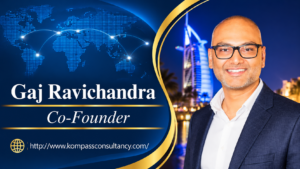
Gaj Ravichandra represents a new generation of business leaders redefining leadership in the GCC — one where commercial excellence, psychological intelligence and human development are intrinsically connected. An Australian-registered psychologist, global performance and leadership strategist, and co-founder of Kompass – The Coaching Company and senior leader at Vinciamo Sports, Gaj brings over 25 years of experience working at the intersection of human behaviour, business performance and elite sport. Having coached more than 20,000 professionals across five continents, he has worked with global organisations, government entities, family enterprises, senior executives and elite athletes, helping individuals and institutions navigate complexity, uncertainty and transformation.
What distinguishes Gaj is his willingness to challenge conventional definitions of success and leadership. He advocates for a future in which leaders are measured not simply by the wealth they generate or the positions they occupy, but by their moral maturity, psychological resilience, emotional intelligence and capacity to elevate others. From boardrooms and family enterprises to the world of elite sport, his work is driven by a fundamental belief: the next era of leadership will not be defined by those who accumulate the most power, but by those who demonstrate the greatest psychological capacity and moral responsibility to exercise it. As the GCC continues its ambitious economic and social transformation, Gaj is helping shape a leadership culture that is not only high-performing, but profoundly human.
Aya Emam: Advancing Entrepreneurship and Economic Policy for Inclusive Growth
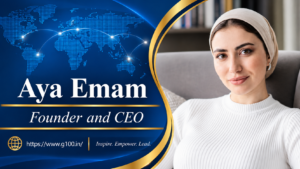
Aya Emam is an economist, international development specialist, and ecosystem architect dedicated to strengthening entrepreneurship and economic resilience across the Middle East. As an Advisory Member of the G100 Global Women Leadership initiative, she actively contributes to global dialogue, cross-country collaboration, and the advancement of MSME policies. Through this role, Aya Emam promotes inclusive leadership frameworks and economic empowerment models that support women-led enterprises and position entrepreneurship as a strategic engine for sustainable regional development.
As the Founder and CEO of Business Hubs, Aya Emam leads a consultancy specialized in MSME development, ecosystem architecture, and institutional capacity building. Her work focuses on designing practical structures that support entrepreneurs, enhance investment readiness, and strengthen the foundations of emerging business ecosystems. She previously served as CEO of CourseVox, a high-tech learning platform delivering AI-powered, market-driven education aligned with digital transformation, electric mobility, and emerging technology sectors, helping bridge the gap between future skills development and evolving market demands.
Aya Emam brings more than 14 years of experience across government institutions, academia, consulting, and startup ecosystems. Her professional experience includes working with the General Authority for Investment and Free Zones (GAFI) on entrepreneurship support programs and investment ecosystem development. She has also contributed to the design and implementation of development initiatives and economic empowerment programs in collaboration with the National Alliance for Civil Development Work. In addition, she has participated in entrepreneurship policy development and ecosystem building through cooperation with national and international institutions.
Throughout her career, Aya Emam has trained and mentored more than 6,000 entrepreneurs across Egypt and the wider Middle East. As a former Portfolio Manager at a leading business accelerator, she led startup growth programs, strengthened investment readiness, and supported scalable business models. She also served within the Technical Secretariat of the Egyptian National Dialogue Private Investment Committee, where she contributed to strategic discussions aimed at improving the investment climate and strengthening private sector competitiveness.
Through her work, Aya Emam continues to bridge macroeconomic strategy with practical implementation, translating policy into actionable programs and positioning entrepreneurship as a pathway toward inclusive and sustainable economic growth.
Turning Market Shifts into Growth: Samiyah Ahmed Strategic Expansion Across Asia

Amid rapid economic shifts and ongoing volatility in global markets, gold continues to prove its resilience as one of the most stable assets, capable of absorbing shocks and preserving value. In this evolving landscape, Samiyah Ahmed, through Samiyah Ahmed Gold Trading (SAG), has adopted an expansion-driven approach that reflects a deep understanding of global market dynamics. A key part of this strategy is the company’s move into Asia, where it has developed strong partnerships across one of the most influential regions in global gold flows, positioning itself to respond effectively to changing supply and demand patterns.
This expansion goes beyond geography; it represents a calculated response to shifting market conditions. Asian trade corridors have become increasingly central to gold sourcing and redistribution, and by strengthening its presence in these markets, Samiyah Ahmed has secured reliable partnerships with suppliers and trading channels across the region. This has enabled access to diversified and stable sources at a time when traditional supply regions face challenges. Her approach reflects a refined understanding that success in gold trading today depends not just on availability, but on timing, agility, and the strength of trusted relationships that ensure consistent flow and operational continuity.
By integrating these Asian partnerships with the dynamic Dubai market, Samiyah Ahmed has further enhanced SAG’s ability to operate within a highly liquid and globally connected trading environment. Dubai’s advanced infrastructure for testing, refining, and redistribution complements Asia’s sourcing capabilities, creating a powerful and efficient operational model. This strategic alignment has become a key driver of the company’s growth, enabling it to turn market uncertainty into opportunity. As global markets continue to evolve, Samiyah Ahmed’s focus on insight, adaptability, and strong partnerships positions SAG for sustained and scalable growth in the gold trading industry.
Fahad Al-Aslami: Bringing World-Class Financial Leadership to Saudi Arabia’s Growing Businesses
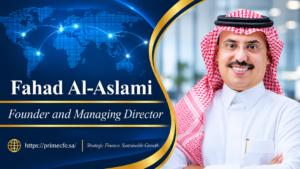
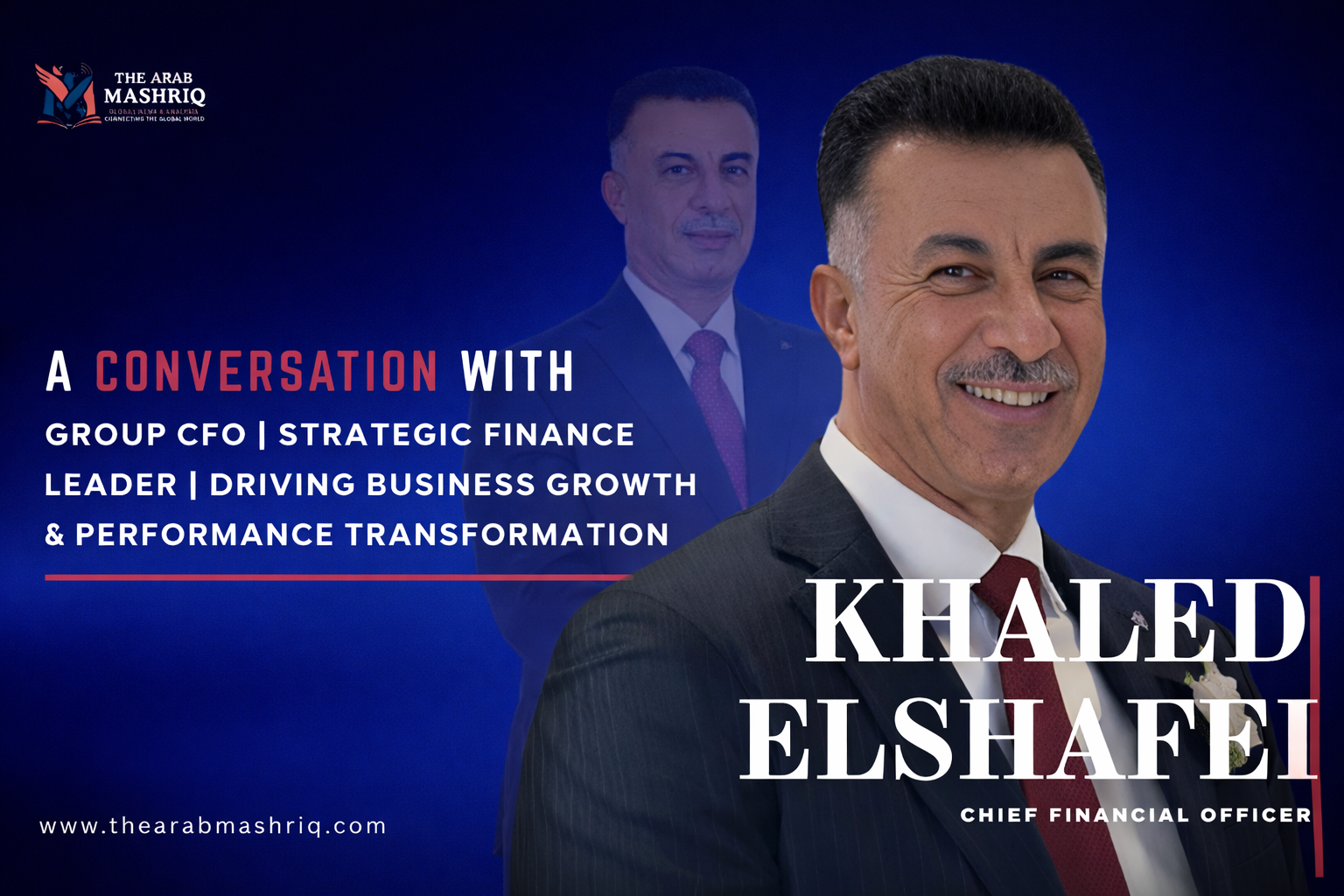
Fahad Al-Aslami is the Founder and Managing Director of Prime CFO, a Saudi-based financial advisory firm established to help organizations gain access to executive-level financial leadership without the cost and commitment of a full-time Chief Financial Officer. Prime CFO was founded to address a growing gap in the Saudi market: many companies reach a stage where they require sophisticated financial leadership in areas such as strategic planning, governance, performance management, cash flow optimization, board reporting, fundraising support, and business transformation, yet hiring a full-time CFO can be expensive, difficult to justify, or simply premature. Prime CFO bridges this gap through a flexible Fractional CFO model, giving businesses access to highly experienced CFO expertise on a scalable basis aligned with their needs and growth stage. With more than 25 years of executive finance experience, Fahad Al-Aslami has held senior leadership positions including Group CFO of Saudi Real Estate Company (Al Akaria), CFO of National Housing Company (NHC), and CFO of SPIMACO, in addition to earlier leadership roles with STC, SATORP, and Ma’aden Aluminum. His experience extends beyond executive management through board and committee memberships, giving him deep expertise in governance, audit oversight, risk management, strategy execution, financial transformation, and stakeholder engagement.
Prime CFO serves a broad range of organizations, including family-owned businesses, construction companies, healthcare providers, restaurant and retail chains, trading and distribution companies, manufacturing businesses, educational institutions, technology companies, and professional and engineering services firms. The firm’s mission is to provide practical financial leadership that enables business owners and executives to make better decisions, improve profitability, strengthen governance, enhance cash flow management, and build sustainable growth platforms. Unlike traditional accounting firms that focus primarily on compliance and reporting, Prime CFO operates as a strategic business partner, working closely with founders, CEOs, boards of directors, and investors to translate financial information into actionable business insights. Its services include strategic planning, budgeting, performance management, financial restructuring, transaction support, due diligence, fundraising preparation, board reporting, governance enhancement, KPI development, financial policies and procedures, and organizational financial transformation.
The Fractional CFO model is becoming increasingly popular globally because it gives organizations access to senior financial leadership at a fraction of the cost of a full-time CFO. Companies benefit from executive-level expertise, an independent perspective, stronger financial controls, and strategic guidance, while maintaining flexibility and cost efficiency — a particularly valuable proposition for growing businesses, organizations undergoing transformation, companies preparing for expansion, and enterprises seeking to strengthen governance and financial discipline. Through Prime CFO, Fahad Al-Aslami aims to help Saudi organizations build stronger financial foundations, improve decision-making quality, create long-term value, and contribute to the Kingdom’s economic transformation under Vision 2030. The firm’s philosophy is simple: every ambitious organization deserves access to world-class financial leadership, regardless of its size.
Phillip Leighton-Daly: A Lifetime of Stories, Resilience, and the Power of Preserving History Through Literature
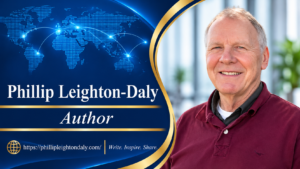
Phillip Leighton-Daly is an Australian author, historian, and former educator whose remarkable life journey has shaped a powerful literary voice centred on resilience, identity, compassion, and human endurance. Born in 1951 in post-war Australia, Phillip experienced early-life separation from his birth mother before being adopted. Growing up in Gosford, New South Wales, he developed a deep appreciation for nature, adventure, history, and community. His 45-year teaching career across diverse regions of New South Wales provided him with invaluable experiences, inspiring his passion for storytelling and preserving local heritage.
With 24 published books, including 13 non-fiction and 11 fiction titles, Phillip has established himself as a versatile storyteller. His works explore themes of justice, loyalty, sacrifice, kindness, environmental awareness, and perseverance. His historical research, oral histories, and experiences as an educator have enriched his writing, allowing him to bring real-world stories and compelling characters to life. Beyond literature, he has dedicated considerable effort to preserving Australia’s regional history and heritage, including documenting the history of the former Kenmore Psychiatric Hospital.
Today, Phillip continues to expand his creative horizons, with film adaptations of works such as Against the Tide and The Foundlings and the Fisherman from Tumby attracting interest from Hollywood production companies. Through his books, social commentary, and engagement with emerging writers, he encourages authenticity, independent thinking, and meaningful storytelling. For Phillip, writing is more than a profession; it is a way to preserve history, challenge injustice, celebrate humanity, and create a legacy that inspires future generations.
CONCLUSION
The leaders featured in this edition work in very different fields, from digital assets and fibre optics to audit, law, energy, psychology, gold trading, and literature. Yet their journeys point to the same conclusion: the new era of leadership is built on trust, adaptability, and a commitment to people.
Trust runs through many of these stories. Tarek Soliman is strengthening confidence in financial and sustainability reporting, while Fahad Al-Aslami brings executive-level financial leadership to growing Saudi businesses. Anwar Shadath is connecting traditional finance with digital assets, and Samiyah Ahmed is building the partnerships that keep gold trading resilient in uncertain markets. Each shows that lasting business depends on credibility and strong relationships.
Others show that leadership means building capability in others. Kanwarjit Singh Ahluwalia left behind plants and teams across four countries, and Dr. Hazem Said is guiding the energy industry through AI and digital transformation while developing its future talent. Aya Emam has trained thousands of entrepreneurs and shaped the ecosystems around them, and Gaj Ravichandra argues that the leaders of tomorrow will be measured by their moral maturity and capacity to elevate others. Sarah Jones is redefining how legal professionals work and how businesses access expertise. Phillip Leighton-Daly shows that leadership can also mean preserving history and giving a voice to stories that deserve to endure.
Taken together, their stories show that this era will not be defined by a single model of leadership. It will be shaped by those who pair vision with discipline, innovation with responsibility, and ambition with a genuine desire to create value for others.
At The Arab Mashriq, we are proud to share their stories.
ALSO READ: Top Business Leaders Defining New Era of Leadership
Most Emerging Leaders Shaping the Future