


Moscow Hosts BRICS+ Fashion Summit Focused on AI and Innovation
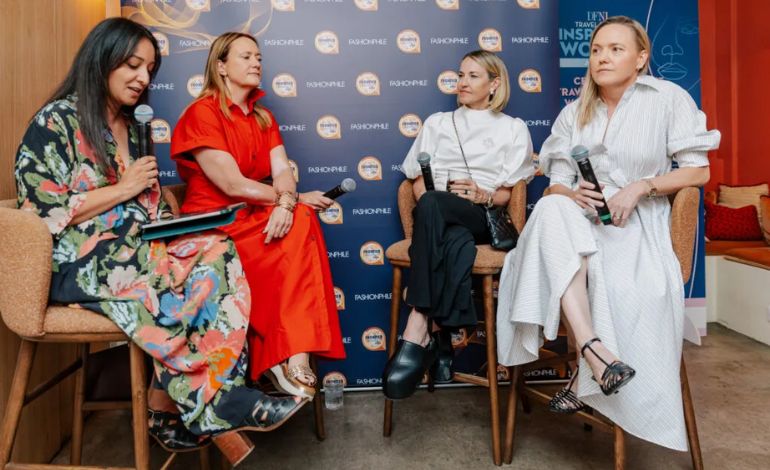

Designers, cultural advocates and legal specialists from across the BRICS+ region gathered in Moscow this week for a wide-ranging discussion on how generative tools are reshaping fashion, craft and the legal frameworks that govern creative work, held under the title “Artificial Intelligence in the Creative Process: Tool or Co-Author?”
New Delhi-based designer Kanika Goyal set the ethical tone of the panel, emphasizing that responsibility for AI-assisted work ultimately rests with the human creator. At the end of the day, she said, it’s your call whether to reject an idea, accept it, edit it or improvise from it. She argued that if a designer simply accepts the first output a system generates without questioning it, authorship has effectively been handed over. She compared these tools to existing ones in a designer’s kit, noting that no one credits a camera or a sewing machine with authorship over what it produces, since the real distinction lies in intention and the decisions a human makes along the way.
Tery Carolo, CEO of Seychelles Fashion Week, framed the technology as both an opportunity and a risk for his community. He said these tools are helping young designers in Seychelles create and reach wider audiences, while stressing the importance of documenting the creative process to preserve Creole heritage. He described initiatives requiring designers to show their research, color choices and step-by-step decisions whenever automated tools were part of the workflow, illustrating the point with a project that digitized a decades-old family painting and printed it onto contemporary swimwear, blending manual craft, design software and selective automated input while keeping the work’s origins visible.
Legal and intellectual property questions surfaced repeatedly throughout the session. Daria Voinova, CEO of IPEX, a Russian digital marketplace focused on managing and trading intellectual property, warned that systems trained on large datasets could end up reproducing recognizable artisanal styles, raising thorny questions about who owns the resulting work and whether it can even be registered as intellectual property. While the panel didn’t reach a legal consensus, participants broadly agreed on a few practical steps: documenting the process behind any AI-assisted work, keeping clear provenance records, and developing industry norms to head off costly disputes down the line, with more precise and well-documented processes generally producing results closer to what a creator intends.
Cultural dilution was another recurring concern. Several panelists warned that broad, uncurated training data risks flattening local aesthetics and erasing cultural specificity, a danger they said would hit crafts rooted in place-specific knowledge and ritual particularly hard.
The overall message from the panel was that these tools are neither a savior for the creative industry nor an inevitable threat to it. They represent a contested technology that calls for new norms, education and protective frameworks, and until legal and ethical standards catch up, the final act of authorship remains a human one.
Also Read:
Google Plans Direct Reporting of Child Abuse Content to Indian Authorities
Two Republican Senate Candidates Take Different Stance From Trump on Iran War