


Ghana Highlights Growing Western Support for Slavery Reparations
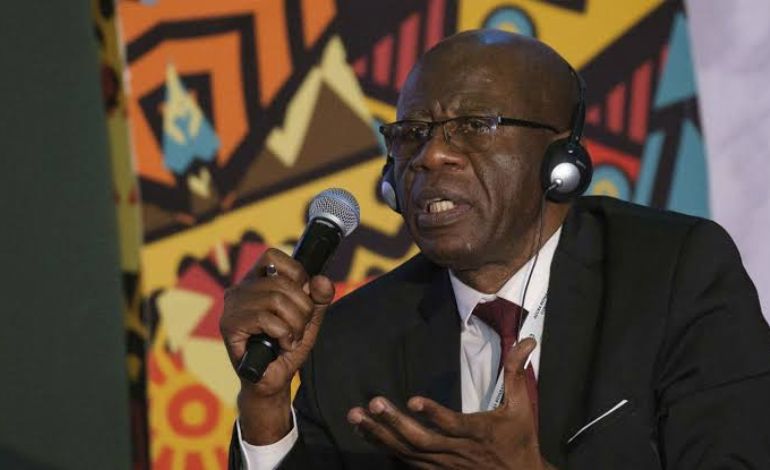

Ghana, which has led an international campaign for reparations tied to the nearly four-century-long trans-Atlantic slave trade, said Wednesday that support for the effort is growing among Western countries.
Ghanaian Foreign Minister Samuel Okudzeto Ablakwa told an event on reparatory justice, co-hosted by Ghana, Germany and France on the sidelines of the UN General Assembly, that the campaign’s first priority is securing the restitution of looted artifacts. Later stages could include formal apologies, debt relief and financial compensation, under a 19-point plan adopted by the African Union and the Caribbean Community Commission on Reparatory Justice at a conference in Ghana in June.
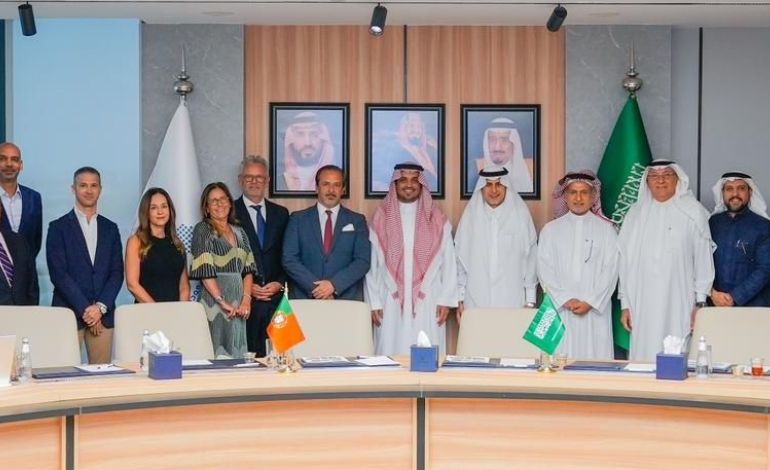
The push follows a UN resolution passed in March recognizing trans-Atlantic slavery as the gravest crime against humanity, which passed with 123 votes in favor and three against, from the United States, Israel and Argentina, while 52 other countries, including European Union members and the UK, abstained. Ablakwa said momentum has shifted since then, noting that virtually all the European countries that abstained during the vote have since reached out to say they’re willing to work with Ghana on this effort. He said the UK and Portugal have offered support, and that the US has also indicated a willingness to engage with the Ghana-led initiative.
France, Germany and the Netherlands have separately pledged their willingness to return artifacts, according to Ablakwa, who said restitution remains central to the broader effort and that these artifacts belong back in their countries of origin.
Roughly 12.5 million Africans were enslaved and transported across the Atlantic between the 16th and 19th centuries, according to the Trans-Atlantic Slave Trade Database, taken to South America, the Caribbean and North America to work on plantations and in mines. That system generated enormous wealth that helped fuel the development of Western powers, while inflicting lasting economic and social harm on the communities and regions affected. Portugal and Britain were responsible for transporting more than 70 percent of all enslaved Africans across the Atlantic, according to the same database.
Also Read:
National Bank of Egypt Set to Acquire Banque Misr UAE Branches