
Three New Veolia Agreements Target Water, Waste and Decarbonization in Saudi Arabia

French environmental services group Veolia signed three memorandums of understanding on Friday with Saudi companies ACWA Power, mining firm Ma’aden, and energy infrastructure company Khazeen, expanding cooperation across water management, waste treatment and decarbonization.
Philippe Bourdeaux, Veolia’s executive senior vice president for Africa and the Middle East, said the company’s ambition is to keep establishing itself over the long term as a strategic and sustainable partner to the Kingdom as it pursues industrial and environmental transformation under Vision 2030.
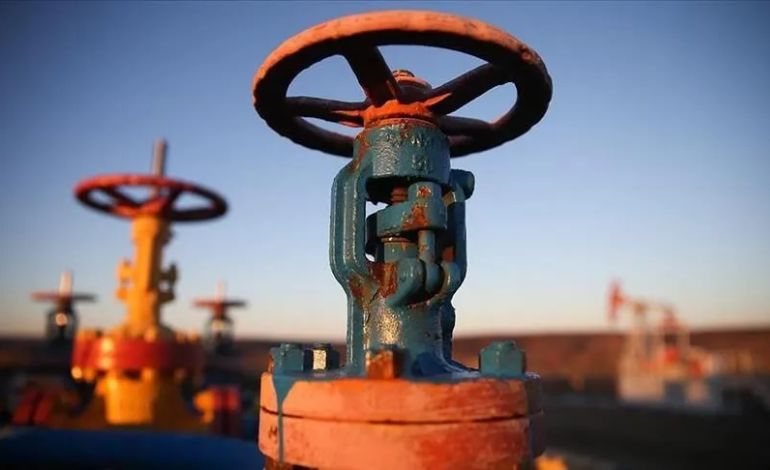
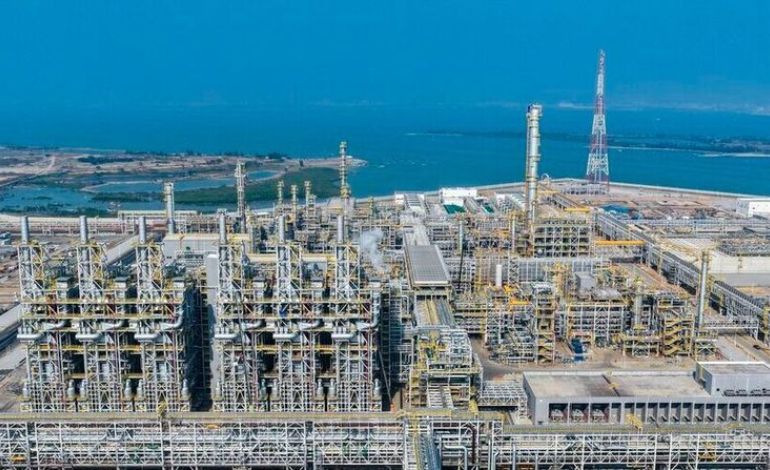
Under the agreement with ACWA Power, Veolia plans to improve the performance of desalination plants through better energy efficiency, more efficient chemical use, and digital technology. ACWA currently operates 9.7 million cubic meters of desalination capacity a day, and Veolia estimates the planned upgrades could cut carbon dioxide emissions by as much as 500,000 tons a year while also lowering operating costs. The partnership with Ma’aden will focus on improving industrial water treatment and reuse, cutting waste, and recovering materials from industrial byproducts. Through its collaboration with Khazeen, a Gasco subsidiary specializing in liquefied petroleum gas storage and handling, Veolia intends to explore industrial water treatment and hazardous waste technologies, along with integrated services spanning water, energy and waste.
Veolia also plans to keep investing in Saudi industrial infrastructure, including its Tahwil hazardous waste treatment facility in Jubail Industrial City and a new industrial wastewater treatment project for the Saudi Aramco Total Refining and Petrochemical Company, a joint venture between Aramco and TotalEnergies also based in Jubail.
Bourdeaux said demand in the Kingdom has shifted over the past decade, moving away from basic utility services toward more complex, integrated and technology-driven approaches to water and waste management. He pointed to mobile water-treatment units the company can deploy during breakdowns or maintenance, along with digital tools for monitoring facilities and optimizing water and energy use. Veolia’s Hubgrade platform, for instance, enables real-time monitoring across water, energy and waste operations and helps flag potential issues early, while its ZeeWeed filtration membranes support wastewater reuse and its electrodeionization technology is designed to meet growing demand for ultrapure water in sectors like energy, data centers and hydrogen production.
Veolia CEO Estelle Brachlianoff has said environmental security is increasingly tied to a territory’s sovereignty, competitiveness and strategic autonomy. Having operated in Saudi Arabia since 1975, the company also said it wants to grow the share of Saudi nationals in its technical, operational and managerial roles through training and career development. Bourdeaux said combining Veolia’s international expertise with local partnerships, particularly around training Saudi talent and gradually localizing equipment, can help reduce the carbon footprint of industrial sites while making them more resilient.
Looking ahead, the company sees further opportunities in mining and mineral processing, petrochemicals, desalination, wastewater reuse, hazardous waste management, and major urban and tourism developments, and is exploring the use of connected sensors, digital twins and artificial intelligence for predictive maintenance, leak detection, energy optimization and water-quality monitoring. Bourdeaux said the success of this transition will depend on coordination between public authorities, industry and local stakeholders, developing Saudi talent, and showing that decarbonization can support the Kingdom’s competitiveness and economic diversification. Officials said the three agreements align with Saudi Vision 2030’s goals around economic diversification, resource preservation and building a circular economy, as industrial growth continues to drive up demand for water and energy.
Also Read:
Jeddah Volunteers Take Action to Preserve Red Sea Marine Ecosystem
F-35 Fighter Jet Deal: Saudi Arabia Welcomes Proposed Agreement










1 Comment
[…] Saudi Arabia September 19, 2026 […]