
Writers Protest Adelaide Festival Decision to Drop Randa Abdel-Fattah
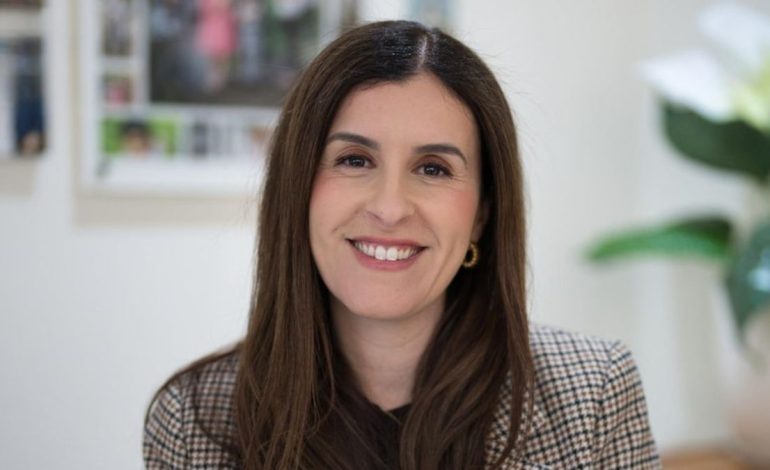

A significant crisis has unfolded at the Adelaide Festival, casting a shadow over its prestigious Writers’ Week program for 2026. A wave of prominent authors has withdrawn from the event in protest following the festival board’s controversial decision to remove Palestinian Australian author Randa Abdel-Fattah from the lineup.
The backlash became so substantial that festival organizers were forced to temporarily unpublish the entire online schedule on Friday. In a statement, they confirmed the move was necessary “while changes were made” to reflect the growing number of speakers stepping down. By the afternoon, 47 writers, journalists, and academics had exited the program, with more expected to follow in a coordinated stand.
The festival board had initially justified Abdel-Fattah’s removal by citing “cultural sensitivity” concerns in the wake of the Bondi terror attack. This rationale has been met with widespread condemnation from the literary community, who view it as censorship and a dangerous conflation.
The list of those withdrawing reads as a who’s who of Australian letters. It includes revered figures such as:
- Helen Garner, an iconic author and journalist.
- Chloe Hooper, acclaimed novelist and non-fiction writer.
- Sarah Krasnostein, award-winning author.
- Michelle de Kretser, Miles Franklin Prize winner.
- Drusilla Modjeska, celebrated writer and editor.
- Melissa Lucashenko, Miles Franklin Prize-winning novelist.
- Evelyn Araluen, Stella Prize-winning poet.
In a particularly impactful move, best-selling novelist Trent Dalton also withdrew. He had been scheduled to deliver a paid keynote address at the Adelaide Town Hall, one of the event’s few ticketed sessions, indicating the protest’s financial and reputational cost to the festival.
This mass exodus represents more than a scheduling dilemma; it is a profound statement on artistic freedom, solidarity, and the role of cultural institutions. The writers’ collective action underscores a belief that literary festivals must be spaces for diverse voices and challenging conversations, not platforms for silencing authors based on their heritage or political perspectives.
The festival now faces the formidable task of salvaging a major program that has lost a core part of its intellectual foundation. The incident has ignited a crucial debate about censorship, responsibility, and the power of artists to hold institutions accountable, ensuring the conversation will extend far beyond Adelaide’s borders.
Also Read:
Saudi-Chinese Cultural Year Comes Alive in Riyadh with When the Wind Turns East