
Why Some Fighters Prefer the Silence of Iraq’s Highlands
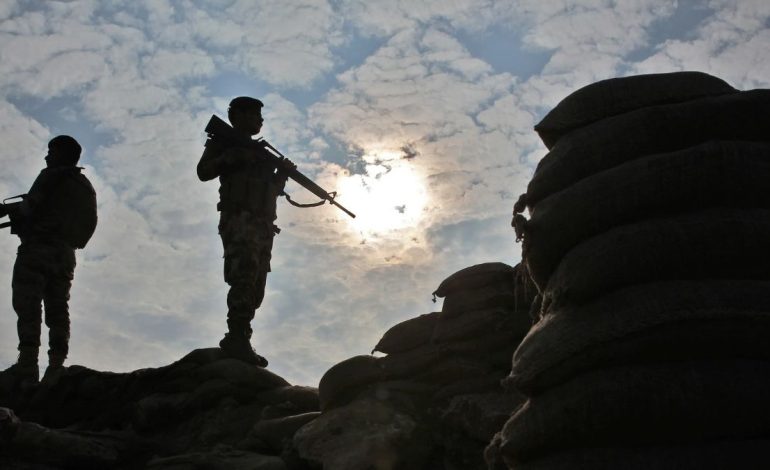

QANDIL MOUNTAINS, Iraq — At the end of a winding mountain road in northern Iraq, a Kurdish militant steps out of the shadows, makes a call from a phone hanging from a tree, and guides a small group of visitors into a hidden world. Inside a bunker carved beneath the rugged peaks of Qandil, fighters of the Kurdistan Workers’ Party (PKK) live a life they describe not as one of exile, but of purpose and choice.
“A peace process doesn’t mean leaving the mountains,” says Serda Mazlum Gabar, a 47-year-old commander with rust-colored hair and an unwavering smile. “Even if we leave, we will live the same way. Nature doesn’t scare me, but I wouldn’t feel safe walking around a city, with its cars, smoke and traffic.”
A Life Chosen, Not Imposed
For decades, the PKK has found sanctuary in the mountains of northern Iraq and southeastern Türkiye, waging a conflict that has claimed tens of thousands of lives. But in recent months, responding to a call from imprisoned founder Abdullah Öcalan, the group has taken historic steps toward peace. It formally renounced armed struggle and even staged symbolic weapons burnings. Yet in Qandil, rifles are still carried, and bunker life continues—not as a temporary refuge, but as a chosen way of being.
“We were not forced into this life. We chose it,” Commander Gabar says plainly.
Inside the Mountain
The bunker is a marvel of adaptation. A large fan funnels fresh air through a concealed duct into a tunnel that opens into a broad corridor. Inside, fighters in olive-green fatigues or traditional sirwal and vests greet visitors warmly. The space branches into designated quarters—including a women’s section decorated with string lights and fresh plants—a kitchen where lahmajun is prepared, common areas for tea and talk, and a communications room linking the unit to other posts across the mountains.
Walls are adorned with portraits of Öcalan and fallen comrades—a visual reminder of the struggle and sacrifice that define their collective memory.
New Arrivals, New Phase
Among recent arrivals in Qandil is Vejin Dersim, 34, who joined the PKK at 23 and spent years operating in southeastern Türkiye. Leaving that front, she says, was emotional. “It is a very special place there, especially because we were closer to leader Apo,” she says, using the affectionate nickname for Öcalan.
Her comrade Devrim Palu, 47, echoes the sentiment of transition. “In our movement, it doesn’t matter where you are fighting… Today is the time for change.” He believes the PKK is capable of shifting from armed conflict to peaceful engagement—a significant evolution for a group still designated as a terrorist organization by the United States and the European Union.
From Caves to Headquarters
Qandil was not always this organized. Fighters initially sheltered in caves before gradually carving out the bunker network that now serves as their rear base. Over time, it has become more than a hideout—it is a home, a command center, and a symbol of resilience. “I could drive these mountains with my eyes closed,” one member remarks, navigating the treacherous tracks with practiced ease even in darkness.
Redefining the Struggle
The PKK’s journey has been marked by seismic shifts: from a separatist force to an advocate for Kurdish equality within Türkiye, and now toward what it calls a democratic path to secure Kurdish rights. The move from armed struggle to political engagement is fraught with uncertainty, but in the quiet corridors beneath Qandil, there is a sense of readiness—not to abandon the mountains, but to carry their spirit into a new chapter.
For these fighters, peace does not mean surrendering identity or community. It means adapting the discipline, solidarity, and deep connection to the land that mountain life has taught them—and stepping forward, on their own terms.
Also Read:
How a 15-Year-Old Pin Became a Symbol of Saudi-China Cultural Friendship