Water Crisis Deepens as Israeli Settlers Disrupt Wells Near Ramallah
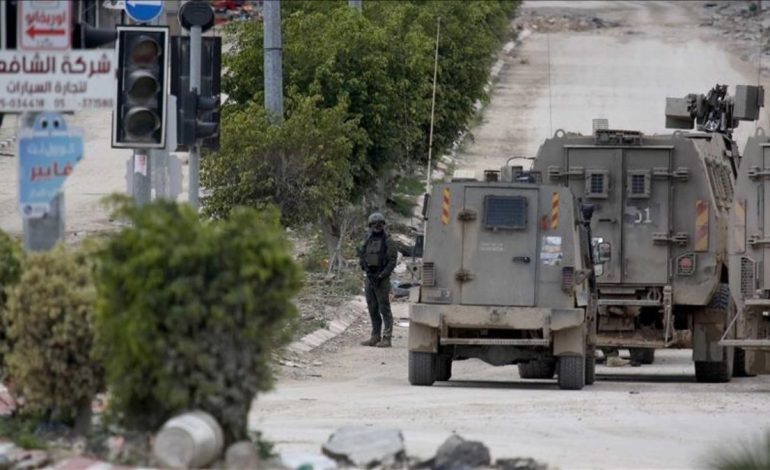

In the arid hills northeast of Ramallah, water is not just a resource—it is a lifeline. This past weekend, that lifeline was severed. According to Palestinian water authorities, Israeli settlers attacked and vandalized multiple water wells in the Ein Samia area overnight, plunging communities into a deepened crisis.
The reported details are stark: wells number two, four, and six were targeted. Windows and doors were broken, critical control panels smashed, and cables cut. From Saturday night until Sunday morning, these vital sources were rendered completely inoperable.
The Ripple Effect of a Single Attack
The impact of such an assault extends far beyond the immediate damage. The Jerusalem District Water Department warned that this was an attack on a primary water source, jeopardizing access for over 19 areas in the occupied West Bank. For the residents of these communities, already grappling with the challenges of life under occupation, it means heightened hardship, uncertainty, and a struggle for a most basic human need.
A Pattern, Not an Isolated Incident
This event is sadly not an aberration. Since October 2023, reports of attacks by Israeli settlers on Palestinian property—including homes, agricultural lands, and vital infrastructure like water sources—have increased significantly. These acts often involve vandalism, arson, and destruction, tactics widely viewed as intended to pressure Palestinian residents to abandon their land.
Adding to the tension, such incidents frequently occur with reports of Israeli military forces providing protection to the settlers, effectively suppressing any Palestinian resistance to the damage.
The Human Landscape
The context makes this clash over resources even more volatile. In the West Bank (excluding annexed East Jerusalem), approximately 500,000 Israeli settlers live alongside about 3 million Palestinian residents. This coexistence is marked by profound inequality in rights, legal protection, and access to resources like land and water.
The sabotage of the Ein Samia wells is a microcosm of this broader conflict. It is not merely an act of property damage; it is an attack on dignity, stability, and survival. Water, essential for drinking, sanitation, and agriculture, becomes both a tool and a target in a struggle over land and sovereignty.
When a community’s access to water is weaponized, the crisis moves beyond politics into the realm of fundamental human welfare. The restoration of the wells, while a urgent technical task, does not address the systemic vulnerability that allowed them to be targeted. As the pumps fell silent in Ein Samia, the incident echoed a sobering reality: in this conflict, even the most essential element of life is not beyond the reach of strife.
Also Read:
Egypt–Ethiopia Nile Water Conflict: Trump Steps In as Mediator
Syrian Democratic Forces Pull Out of East Aleppo Amid Rising Tensions