
US Sanctions Spotlight Hezbollah’s Alleged Role in Gold Trade

In a significant move to disrupt the financial networks of Hezbollah, the United States imposed new sanctions on Tuesday, focusing on a gold exchange allegedly central to funneling Iranian funds to the Lebanese Shiite movement.
The U.S. Treasury Department announced sanctions against Jood Sarl, a gold exchange described as a key component of Al-Qard Al-Hassan—a Hezbollah-linked financial institution already under sanction. According to the Treasury, the exchange “masquerades as a non-governmental organization” and is instrumental in ensuring a steady cash flow from Iran to Hezbollah.
A Broader Crackdown on Financial Networks
The action extends beyond the exchange itself. The Treasury also designated several affiliated individuals and entities for sanctions, including a Russian national allegedly involved in managing Hezbollah’s finances. These measures freeze any U.S. assets held by the targeted parties and prohibit American individuals and entities from conducting business with them, with violations constituting a crime.
“Treasury will work to cut these terrorists off from the global financial system to give Lebanon a chance to be peaceful and prosperous again,” stated Treasury Secretary Scott Bessent. He emphasized the administration’s view that “Hezbollah is a threat to peace and stability in the Middle East.”
Context of Regional Tensions
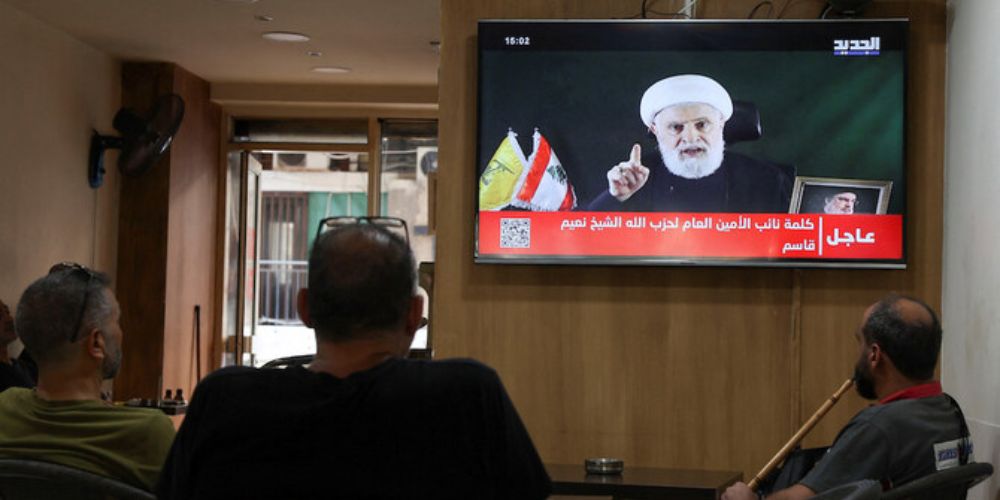
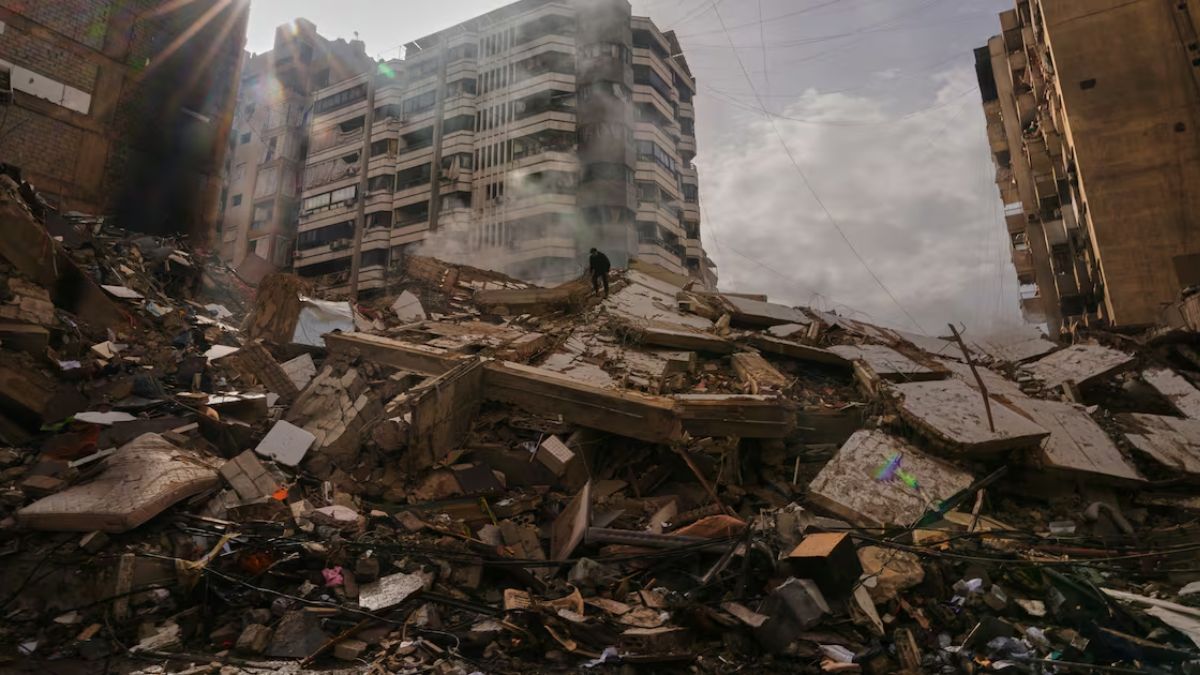
This financial pressure comes amid ongoing regional volatility. Hezbollah, a long-time adversary of Israel, suffered a major blow in 2024 with the death of its longtime leader, Hassan Nasrallah, during the recent conflict. While a truce led to the Lebanese army disarming Hezbollah in areas near the Israeli border, the group has refused to surrender its arsenal further. Israel maintains that progress is insufficient and continues periodic military strikes.
The sanctioned Al-Qard Al-Hassan institution has been a repeated target; its branches were bombed by Israel during the 2024 strikes. The new U.S. sanctions aim to complement military pressure by strangling the financial channels that sustain the group’s operations.
The Strategy Behind the Sanctions
By spotlighting the use of the gold trade, the U.S. highlights Hezbollah’s and Iran’s alleged reliance on complex, non-traditional financial systems to evade international scrutiny. Precious metals like gold are often favored in such networks for their liquidity, value retention, and potential to circumvent conventional banking oversight.
This latest action underscores a continued U.S. strategy: applying relentless financial pressure to isolate Hezbollah, diminish Iranian influence in the region, and push for what American officials describe as a more stable and sovereign Lebanon. The success of such measures will depend on international cooperation to enforce these sanctions and close loopholes in the global financial system.
Also Read:
Riyadh Hosts Anti-Daesh Talks: Coalition Shares Unified Strategy
Makkah Festival Brings Tradition, Tourism, and Economic Benefits Together