


US Navy Responds to Air Threat Near Strategic Waters

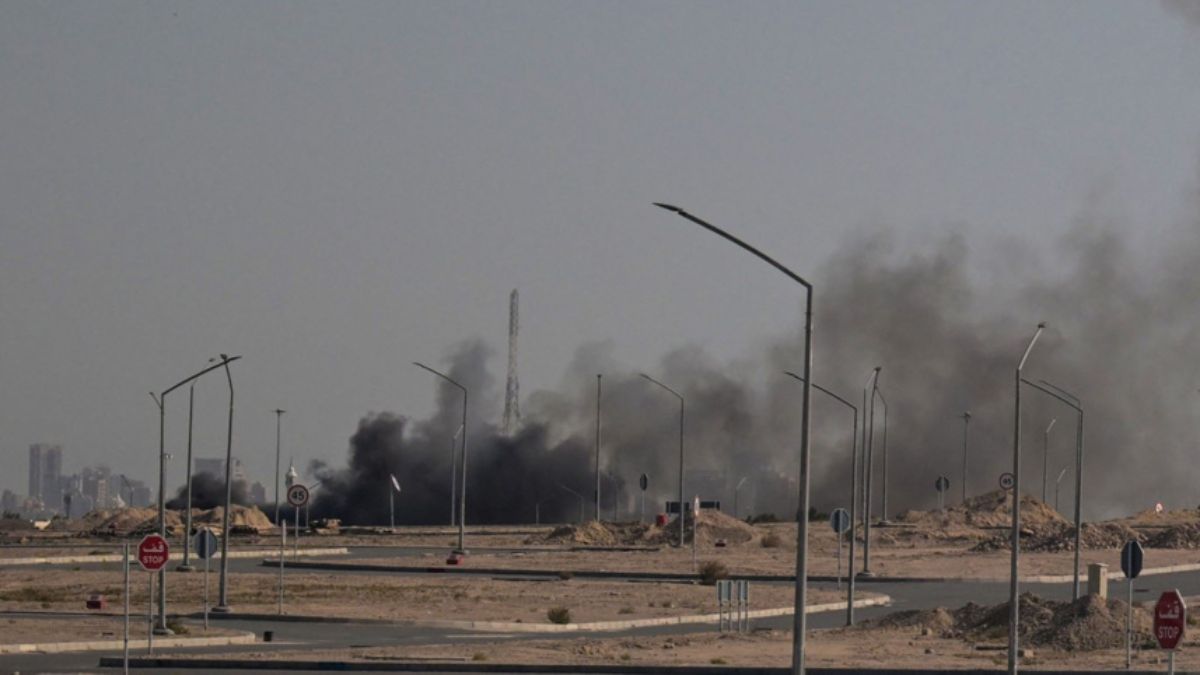
In a dramatic escalation of maritime tensions, the U.S. military engaged in two separate confrontations with Iranian forces in strategic Middle Eastern waters on Tuesday, underscoring the fragile and volatile standoff between the two nations.
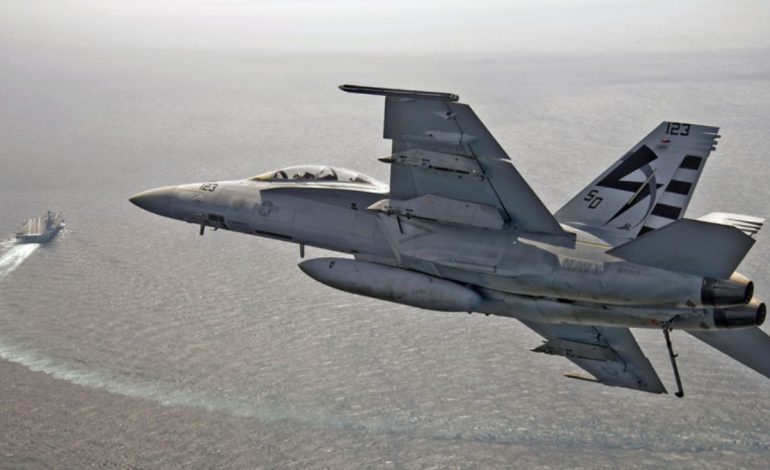
The primary incident occurred in the Arabian Sea, where a U.S. F-35C fighter jet, operating from the aircraft carrier USS Abraham Lincoln, shot down an Iranian Shahed-139 drone. According to Navy Captain Tim Hawkins, a spokesperson for U.S. Central Command, the drone was flying “aggressively” toward the carrier strike group “with unclear intent.” The action was taken in self-defense to protect the carrier and its crew.
The shootdown sent immediate ripples through global markets, with oil futures rising by more than one dollar per barrel. Iran’s Tasnim news agency reported only that connection had been lost with a drone in international waters, “for unknown reasons,” while the country’s UN mission declined to comment.
A Dual Front of Confrontation
Just hours later, a second confrontation unfolded nearly 1,000 miles away in the critical Strait of Hormuz. According to the U.S. military, vessels from Iran’s Islamic Revolutionary Guard Corps (IRGC), accompanied by a drone, harassed the U.S.-flagged, U.S.-crewed chemical tanker Stena Imperative. The Iranian boats approached at high speed and threatened to board and seize the vessel.
Maritime security groups reported the tanker was ordered to stop its engines. Instead, it accelerated and continued its transit. The situation de-escalated only after the U.S. Navy guided-missile destroyer USS McFaul arrived on scene to escort the commercial vessel to safety.
A Strategic Backdrop of Pressure and Diplomacy
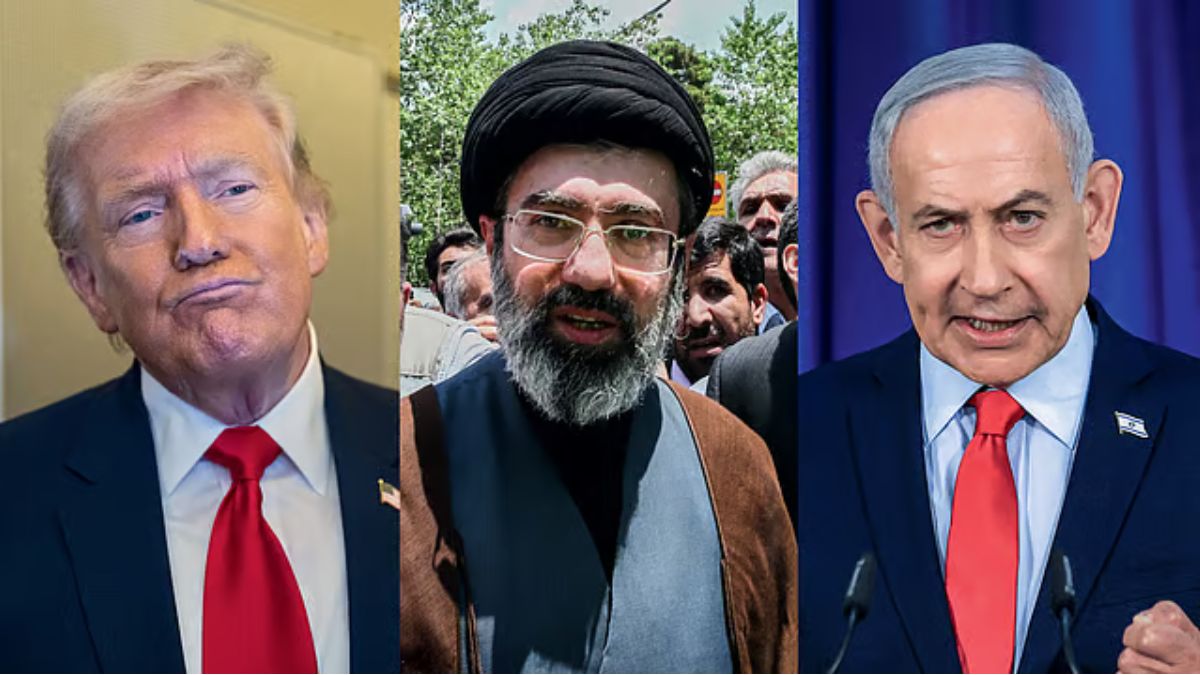
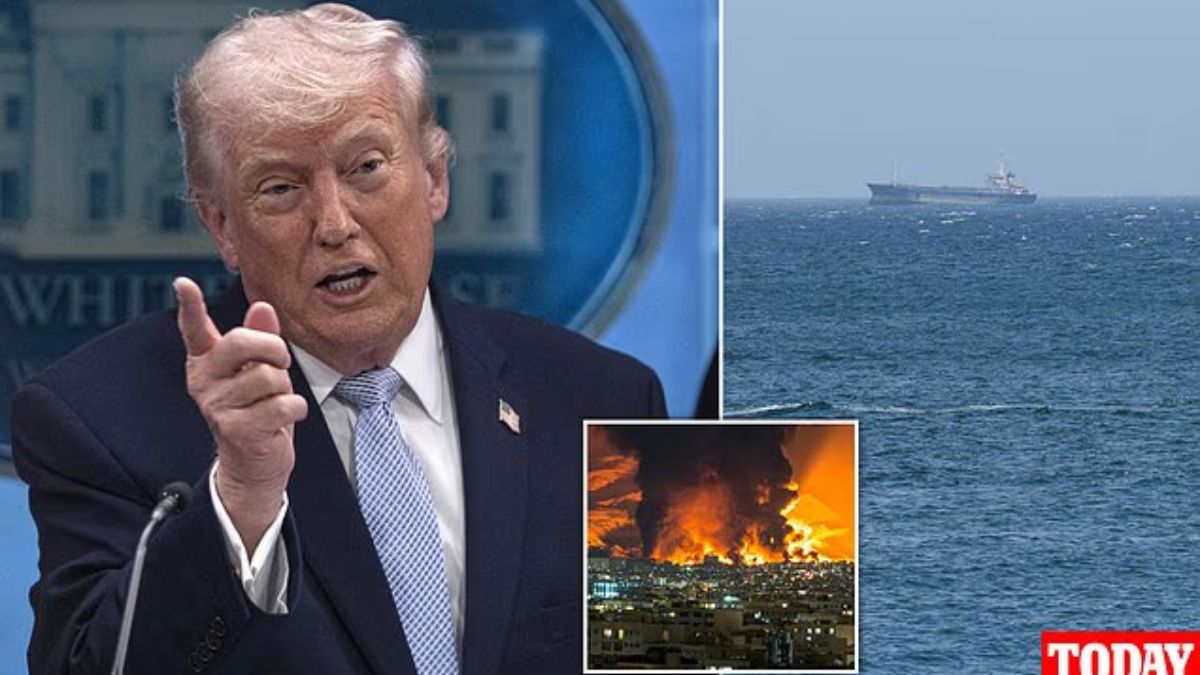
These incidents did not occur in a vacuum. The USS Abraham Lincoln strike group is the most visible component of a significant U.S. military buildup in the region, deployed following last month’s deadly crackdown on protests in Iran. President Donald Trump, while not intervening directly in that unrest, has since demanded nuclear concessions from Tehran and dispatched naval forces toward its coast.
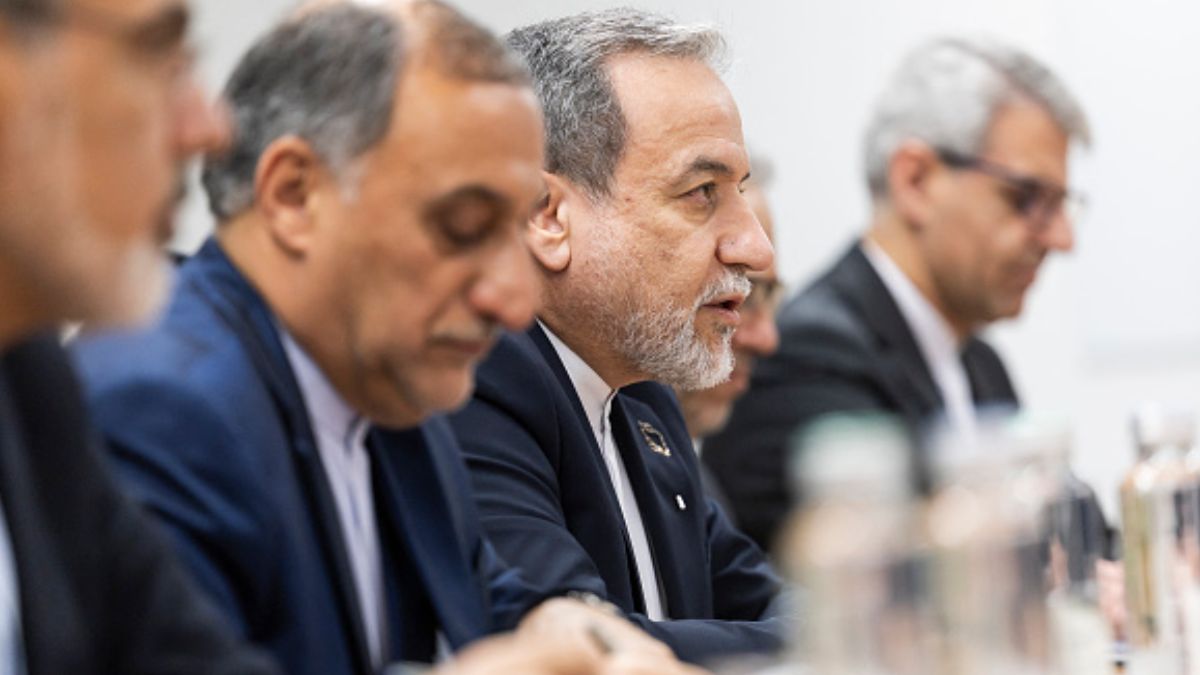
Trump recently stated Iran was “seriously talking” about negotiations, and Iranian security officials have confirmed arrangements are underway. Yet Tuesday’s events highlight the dangerous gap between diplomatic overtures and military posturing. As Trump warned, with U.S. warships positioned near Iran, “bad things” could happen if a deal remains out of reach.
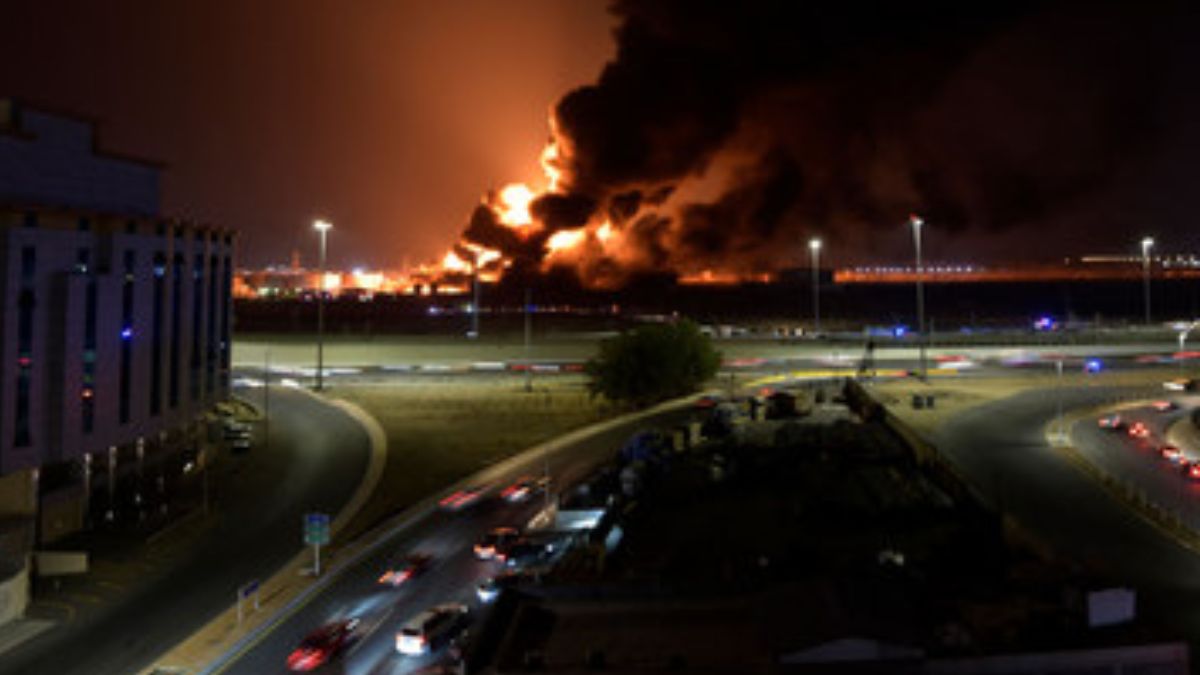
The dual incidents—a drone shot down over open water and a commercial tanker threatened in a vital chokepoint—paint a picture of a region on a knife’s edge. They demonstrate how quickly routine patrols or shadowing maneuvers can spiral into direct defensive actions, threatening to derail delicate diplomatic efforts and destabilize global energy markets. The waters of the Arabian Gulf remain a stage where a single miscalculation could have profound consequences.
Also Read:
US Envoy Witkoff Holds Talks With Netanyahu During Jerusalem Visit
Saudi–Russia Relations Strengthen After Crown Prince’s Call With Putin