

US-Iran Tensions Rise as Trump Threatens “Very Traumatic” Outcome
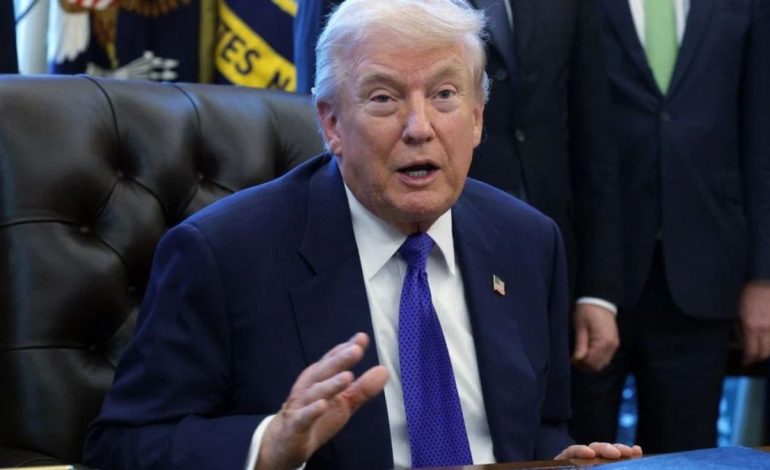

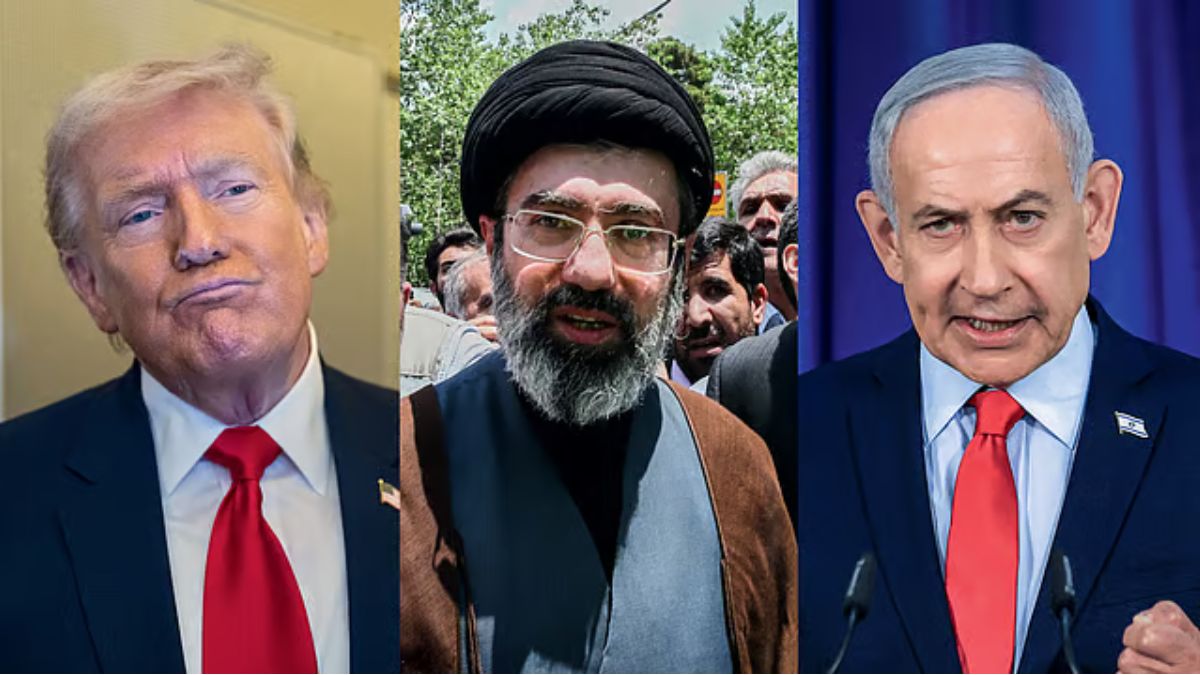
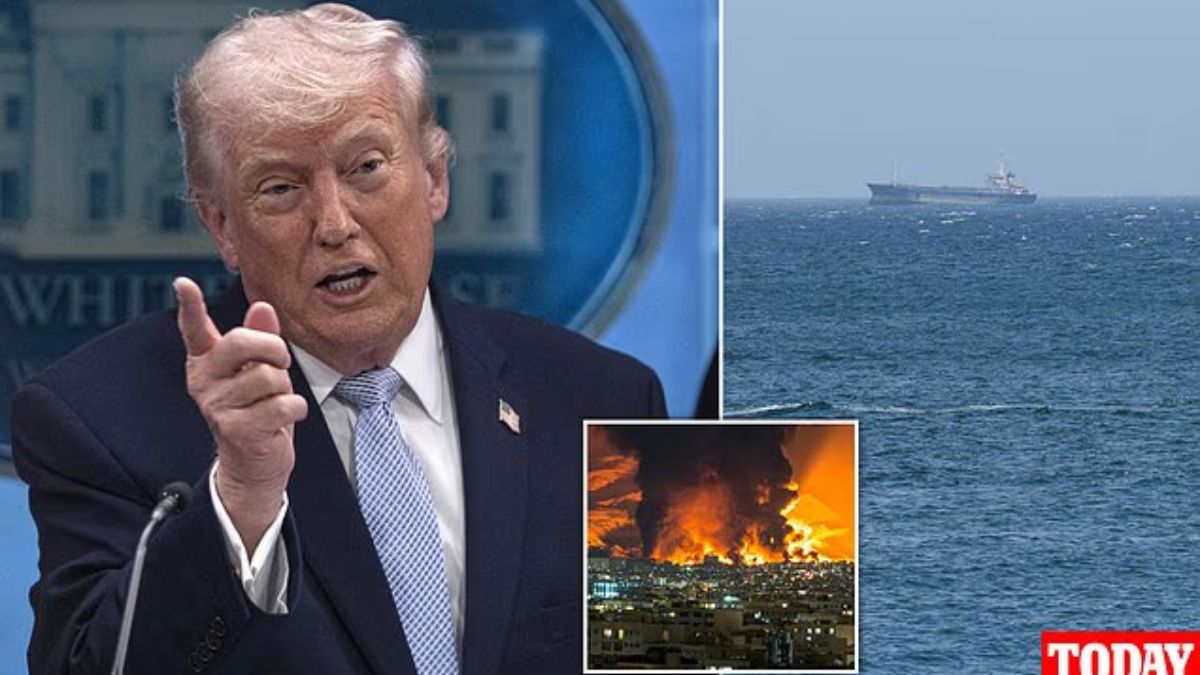
Tensions between Washington and Tehran are escalating once again. President Donald Trump warned Thursday that Iran faces “very traumatic” consequences if it fails to reach a nuclear deal with the United States—while Israeli Prime Minister Benjamin Netanyahu, fresh from White House meetings, voiced deep skepticism that any such agreement could be trustworthy.
Speaking to reporters a day after hosting Netanyahu, Trump set an informal deadline of “over the next month” for progress in ongoing negotiations. “We have to make a deal, otherwise it’s going to be very traumatic, very traumatic,” he said. “This will be very traumatic for Iran if they don’t make a deal.”
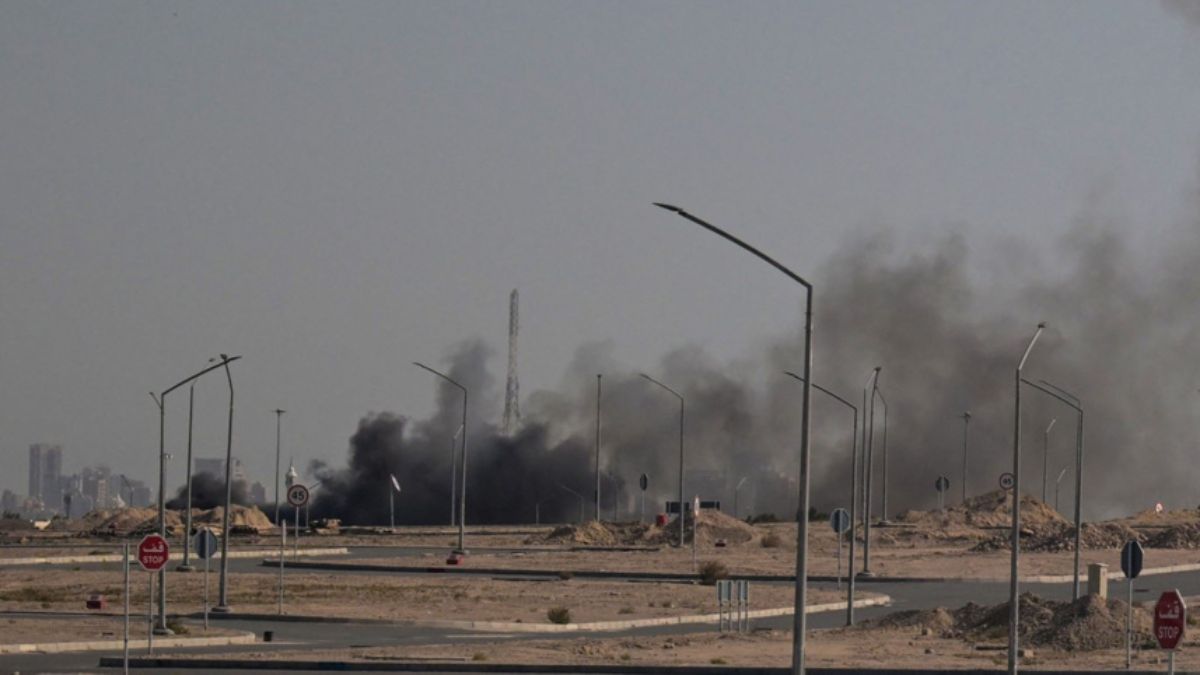
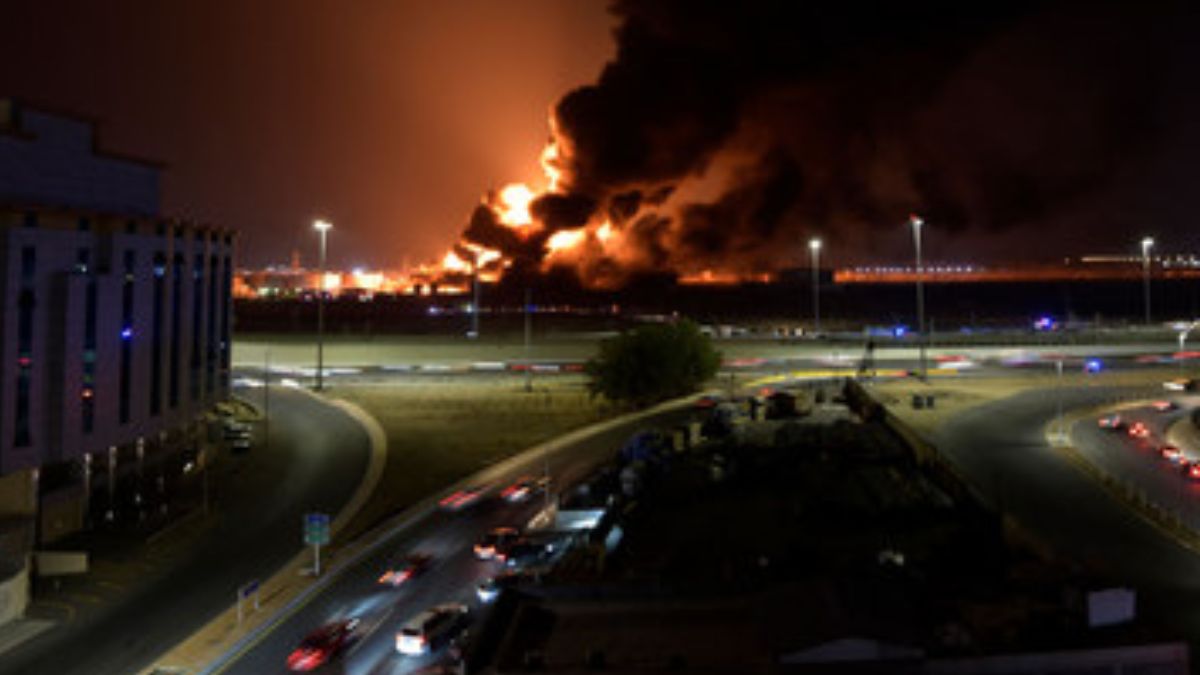
His words carried the weight of recent history. Trump pointed to US military strikes he ordered on Iranian nuclear facilities during Israel’s 12-day war with Iran last July—a clear signal that “phase two,” as he termed it, would be markedly more severe.
Allies, Not Aligned
Netanyahu arrived in Washington seeking to push Trump toward a harder line, particularly on expanding negotiations to include Iran’s ballistic missile program and its support for regional proxies. But the two leaders appear not entirely in lockstep.
While Trump insisted the talks should continue, Netanyahu offered only “general skepticism regarding the quality of any agreement with Iran.” Any deal, the Israeli premier stressed, “must include the elements that are very important from our perspective”—a list extending well beyond nuclear enrichment to missiles, Hamas, Hezbollah, and the Houthis.
Trump, for his part, signaled unwavering personal support for Netanyahu, criticizing Israeli President Isaac Herzog for refusing to grant the prime minister a pardon on corruption charges. “I think that man should be ashamed of himself,” Trump said.
Tehran’s Red Lines
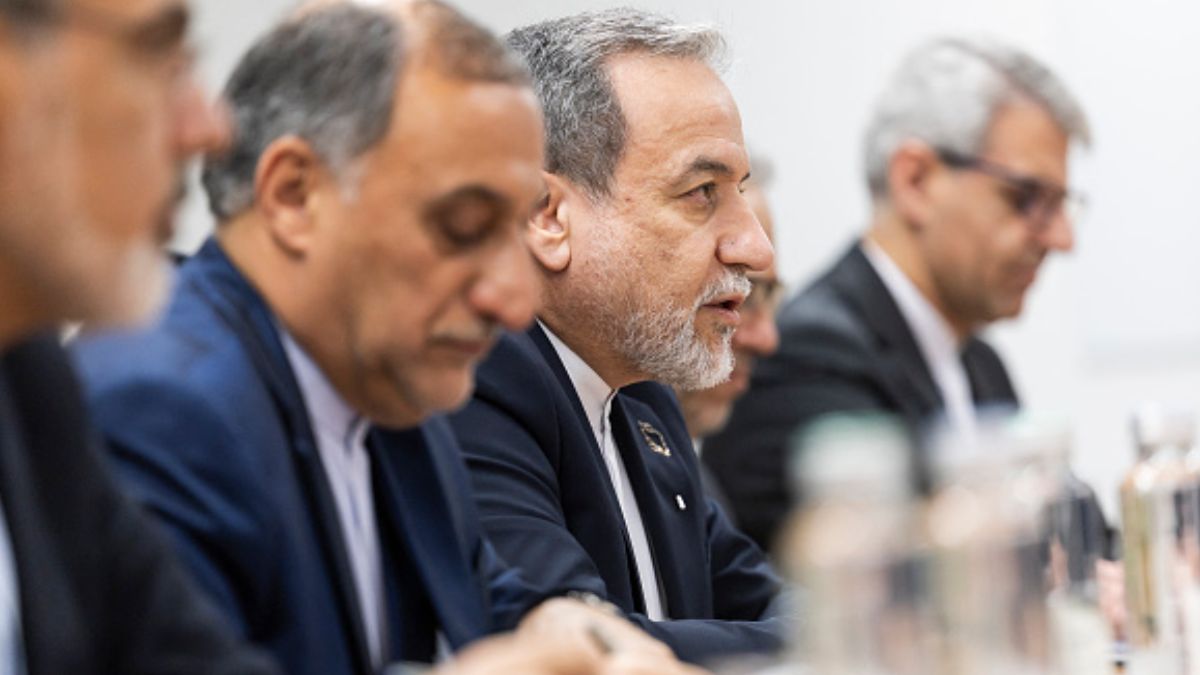
Iran has so far resisted broadening the scope of negotiations, which resumed last week in Oman following a protracted pause. Tehran maintains that its nuclear program is peaceful and insists it will not yield to what it terms “excessive demands.”
The fragility of the talks is matched only by the scale of the consequences should they fail. Trump is reportedly considering deploying a second aircraft carrier to the Middle East—a muscular gesture intended to concentrate minds in Tehran.
A Region Bracing
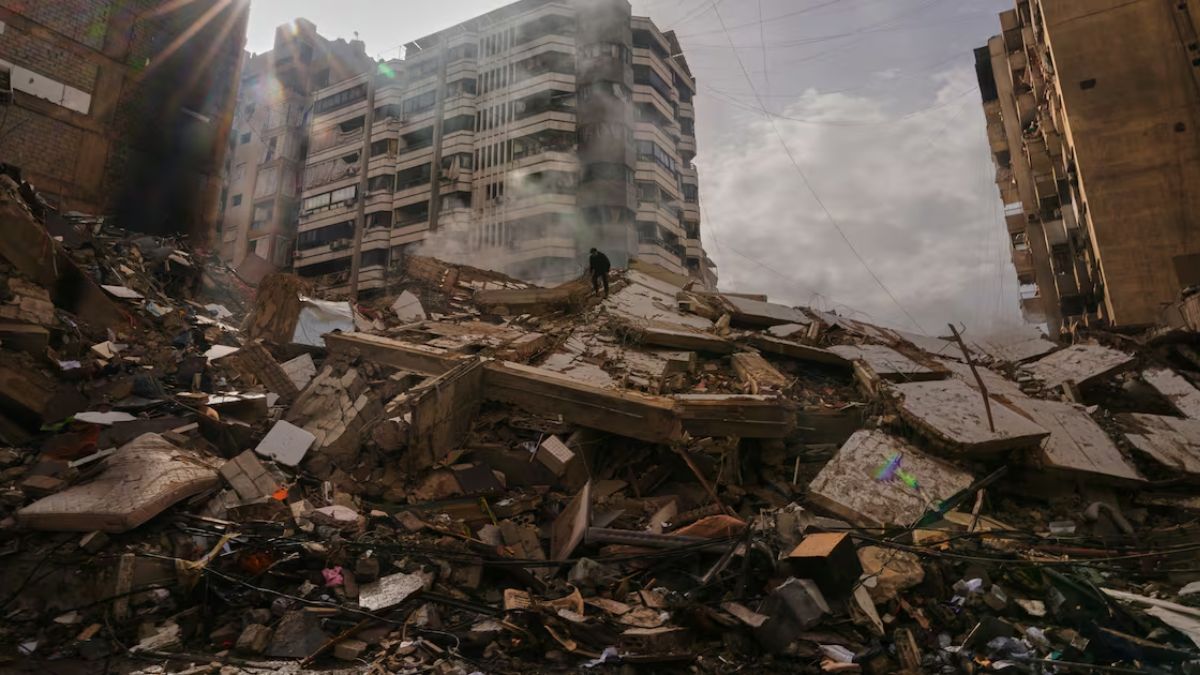
The war of words carries real weight in a region already scarred by conflict. July’s strikes demonstrated the speed with which diplomatic stalemate can transform into military engagement. Netanyahu’s skepticism reflects a broader Israeli concern: that even a successfully negotiated nuclear agreement may fail to address the full spectrum of threats posed by the Islamic Republic.
Trump’s language—“very traumatic,” “phase two,” “tough for them”—leaves little room for ambiguity. The president who once tore up the Obama-era nuclear accord is now attempting to forge a new one, wielding both diplomatic overtures and military signals in equal measure.
Whether Tehran blinks, and whether Jerusalem can be convinced, remains unknown. What is clear is that the coming weeks will be critical. As Trump himself put it: “We have to make a deal.” The alternative, by his own description, is unsparing.
Also Read:
Key Highlights from the German Parliament Speaker’s Visit to Gaza
Colors of the Desert: Sahara Cultures Take Center Stage in Chad