
US Envoy Witkoff Holds Talks With Netanyahu During Jerusalem Visit
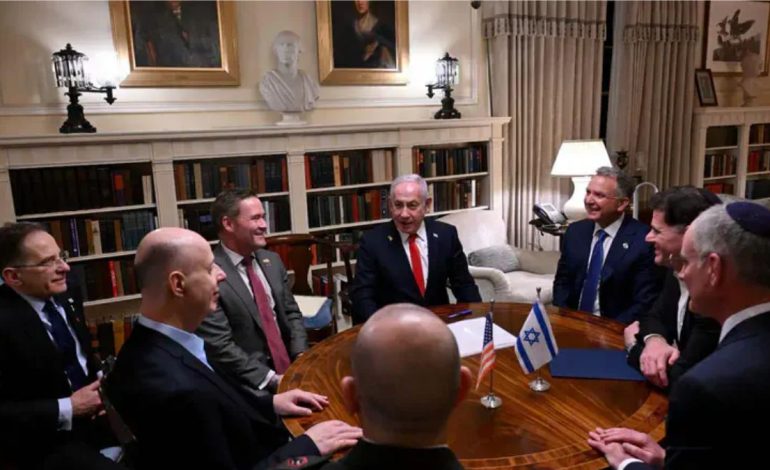

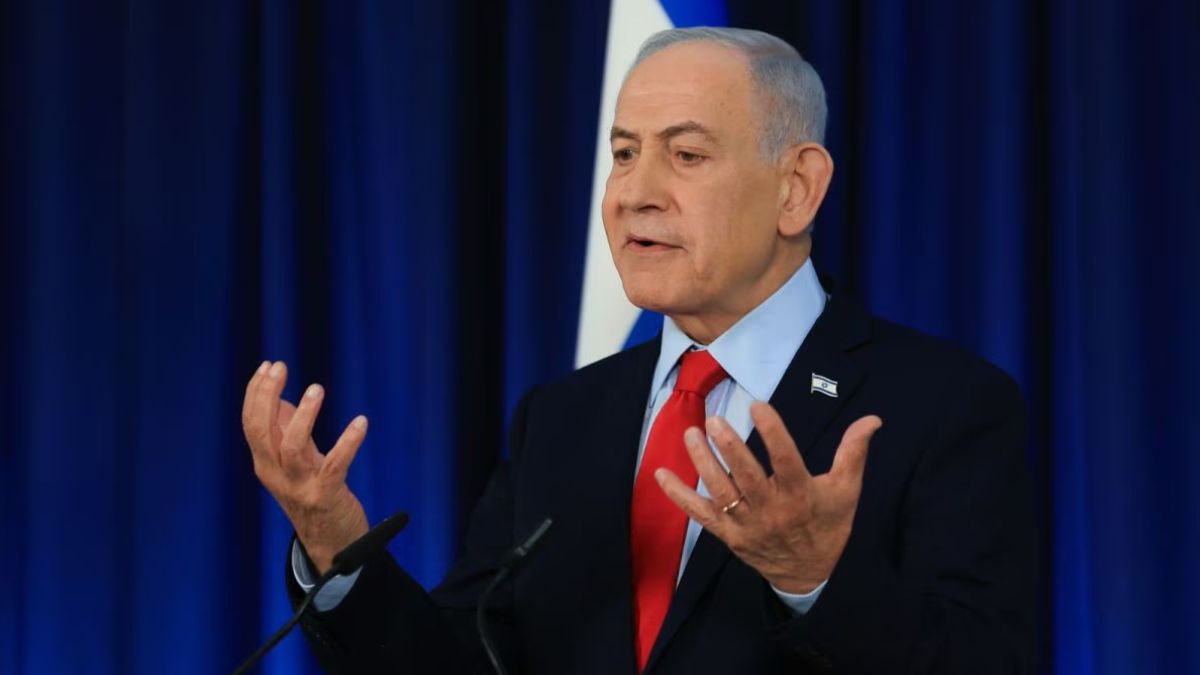
US envoy Steve Witkoff sat down with Israeli Prime Minister Benjamin Netanyahu in Jerusalem on Tuesday, marking a swift return to high-level talks amidst a period of significant, fragile movement in the region.
This meeting, confirmed by an Israeli official to AFP, represents Witkoff’s second direct engagement with the Israeli premier in under two weeks. The diplomatic tempo underscores the United States’ intensive focus on navigating the complex aftermath of the Gaza war and managing a volatile regional landscape.
A Visit Anchored by a Critical Opening
The context of this visit is pivotal. It follows the recent and crucial reopening of Gaza’s Rafah crossing with Egypt—a lifeline for humanitarian aid and civilian movement that the international community, including the US, had persistently advocated for. Israeli media reports from Witkoff’s previous visit suggested that he and fellow envoy Jared Kushner had directly pressed for this step, indicating that the crossing’s opening was a key objective of the prior round of diplomacy.
While the official agenda for Tuesday’s talks remains private, discussions likely revolved around several pressing issues:
- Sustaining the Rafah crossing’s operation and ensuring the flow of aid into Gaza.
- Post-conflict planning and governance for the beleaguered territory.
- Managing escalating tensions with Iran, a constant shadow over the region.
The Wider Diplomatic Chessboard
The meeting in Jerusalem did not occur in isolation. It coincided with the anticipated resumption of US-Iran talks, reportedly scheduled for Friday in Türkiye. These discussions, facilitated by Ankara with support from Egypt, Oman, and Qatar, represent a critical, parallel diplomatic track. The timing places Witkoff’s consultations with Netanyahu at the heart of a delicate balancing act, as the US engages with both a close ally and its “arch-foe” in an effort to prevent a broader regional conflagration.
Witkoff’s shuttling between capitals highlights the current US strategy: applying direct, persistent pressure on allies to achieve humanitarian and strategic aims, while simultaneously keeping channels open to adversaries to de-escalate tensions. Each meeting informs the other, creating a complex but necessary diplomatic web.
As the envoy departed Jerusalem, the outcomes of his conversation with Netanyahu will reverberate beyond their closed doors. They will influence the immediate reality for civilians in Gaza, shape the next phase of regional diplomacy, and contribute to the delicate calculus of peace and security in a region where every opening, like the gate at Rafah, is both a relief and a new point of contention.
Also Read:
ACWA Announces Major Agreement for Ammonia Supply Route to Germany
GCC Market Update: Saudi Arabia Takes the Lead in January – Kamco Invest