


US Decision on Russian Oil at Sea: A 30-Day Opportunity for Global Buyers
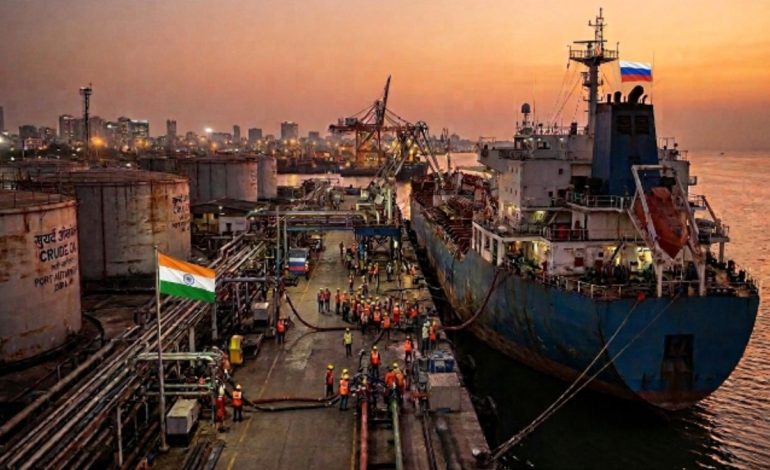

The United States issued a 30-day license allowing countries to purchase Russian oil and petroleum products stranded at sea. Treasury Secretary Scott Bessent said the step would help stabilize global energy markets disrupted by the Iran war.
License Details and Duration
The license authorizes delivery and sale of Russian crude oil and petroleum products loaded on vessels as of March 12. The temporary license remains valid through midnight Washington time on April 11.
About 124 million barrels of Russian-origin oil are floating across 30 different locations globally. The license would provide approximately five to six days of supply based on current daily losses from the Strait of Hormuz disruption.
Part of Broader Price Control Strategy
The announcement followed the US Energy Department releasing 172 million barrels from the strategic petroleum reserve. This effort aims to curb soaring oil prices triggered by the regional war.
The International Energy Agency committed to releasing 400 million barrels of oil. The agency described the Middle East war as creating the biggest oil supply disruption in history.
Bessent’s Statement on Measures
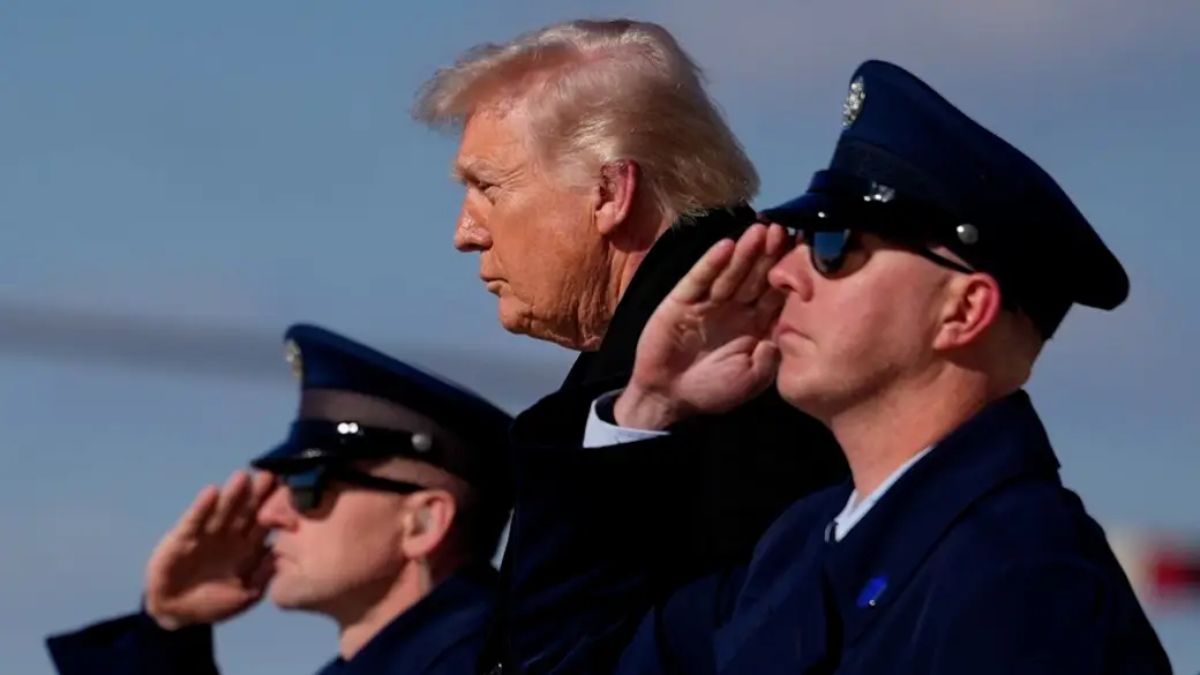
Treasury Secretary Bessent called the measure “narrowly tailored” and “short-term,” stating it would not provide significant financial benefit to the Russian government. He emphasized the temporary nature of higher oil prices.
“The temporary increase in oil prices is a short-term and temporary disruption that will result in a massive benefit to our nation and economy in the long-term,” Bessent stated. President Trump echoed similar sentiment about long-term benefits.
Additional Price Control Measures
Trump ordered the US International Development Finance Corporation to provide political risk insurance for maritime trade in the Gulf. The US Navy may escort ships in the region to ensure safe passage.
The Trump administration is considering temporarily waiving the Jones Act shipping rule. The waiver would allow foreign ships to carry fuel between US ports, potentially lowering costs and speeding deliveries.
Oil Market Pressures
Benchmark oil prices shot above $100 per barrel following the announcements. The price surge reflects market concerns about sustained supply disruptions from the Strait of Hormuz closure.
US and Israeli strikes on Iran and Tehran’s subsequent response have paralyzed shipping through the critical waterway. The disruption affects vital Middle East oil and gas flows.
Iran’s Counteraction
Iran’s Islamic Revolutionary Guard Corps warned it would block Gulf oil shipments unless US and Israeli attacks cease. The threat escalates pressure on global energy markets.
The Iranian blockade threat creates additional uncertainty for global energy supplies. Markets remain volatile as the regional conflict continues.
Political Controversy
Trump stated the United States stood to profit from higher oil prices, drawing criticism from lawmakers. Some accused the president of prioritizing wealth over broader economic relief.
The debate reflects tension between energy market management and political accountability. Different perspectives exist on how price increases should be handled.
Also Read:
‘Where Can We Go?’: Gaza Tent Camp Hit by Israeli Strikes
Saudi Defense Chief Calls for Global Support as Iranian Strikes Increase