



UN Raises Concern After Houthis Seize Telecom Equipment and Vehicles in Yemen
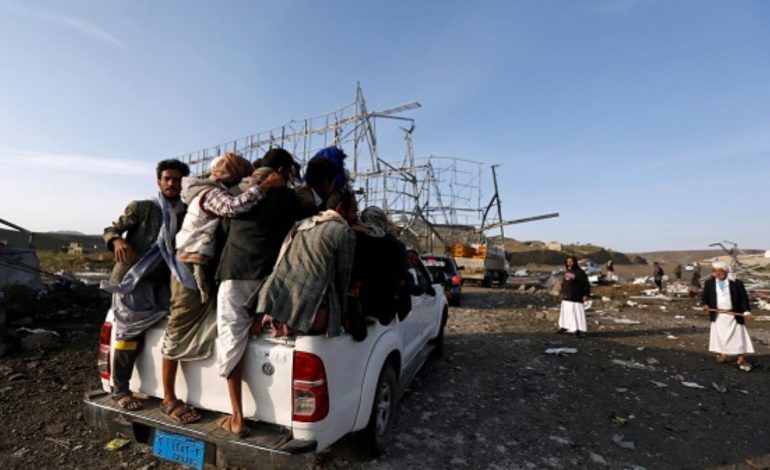

In a move that has sent alarm through the international humanitarian community, Yemen’s Houthi militants have forcibly entered multiple United Nations offices in the capital, Sanaa. Their target was not people—the offices were unstaffed—but the vital infrastructure of aid itself. The group confiscated telecommunications equipment and several UN vehicles, removing them to an unknown location without explanation.
This brazen act is more than a local dispute; it is a direct blow to the lifeline sustaining millions of Yemenis. The office of the UN’s humanitarian coordinator for Yemen, Julien Harneis, stated plainly that these actions threaten to severely disrupt critical humanitarian work in Houthi-controlled areas, where the majority of the country’s impoverished population lives.
A Pattern of Pressure
The seizure is not an isolated incident. It fits a troubling pattern of escalating pressure on aid operations. The Houthis have repeatedly targeted UN agencies, detaining dozens of staff in recent months as part of a wider crackdown. Furthermore, they have blocked the UN Humanitarian Air Service (UNHAS) from flying into Sanaa for over a month, crippling the movement of personnel and time-sensitive supplies.
These actions create a stranglehold on assistance. As the UN statement notes, they were taken “without any opportunity to find mutually acceptable arrangements,” shutting down dialogue and imposing unilateral conditions that hinder relief.
A Crisis Compounded
The timing could not be more catastrophic. This confiscation and blockage come as Yemen faces one of its most severe humanitarian junctures.
- The World Food Programme (WFP) has just ended the contracts of all 365 of its staff in Houthi-held areas, citing both funding shortages and an unsafe operating environment—a decision underscored by this latest seizure.
- UN figures indicate over 19.5 million Yemenis, more than half the population, will need humanitarian assistance this year.
- In November, Yemen was named by the WFP and the UN’s Food and Agriculture Organization as a country with populations at “imminent risk of catastrophic hunger.”
Against this backdrop, the theft of communications gear and vehicles is not merely symbolic. It actively dismantles the logistical network required to stave off famine and disease. It slows coordination, prevents aid workers from reaching remote communities, and severs a tether to the outside world for those delivering care.
The Human Cost
The ultimate price will be paid by Yemeni civilians. “This will make the humanitarian situation worse in those parts of Yemen,” the UN’s statement warns. Every vehicle blocked, every radio taken, and every flight grounded translates into delayed food deliveries, suspended medical programs, and missed check-ups for malnourished children.
The international community has voiced its concern, but the immediate future hinges on the Houthis’ next moves. Will they return the assets and restore access, or will they further imperil a population already standing on the brink? The world is watching, and for millions in Yemen, the wait for an answer is a matter of survival.
Also Read:
Saudi Arabia and US Companies Partner to Build Advanced Software Facility