
Why the UAE Is Calling on Iran to Compensate for War Damages

The United Arab Emirates has called on Iran to pay reparations for damage caused by its attacks on Gulf targets, emphasizing that any lasting settlement must ensure Tehran’s accountability and full commitment to regional stability.
UAE’s Position
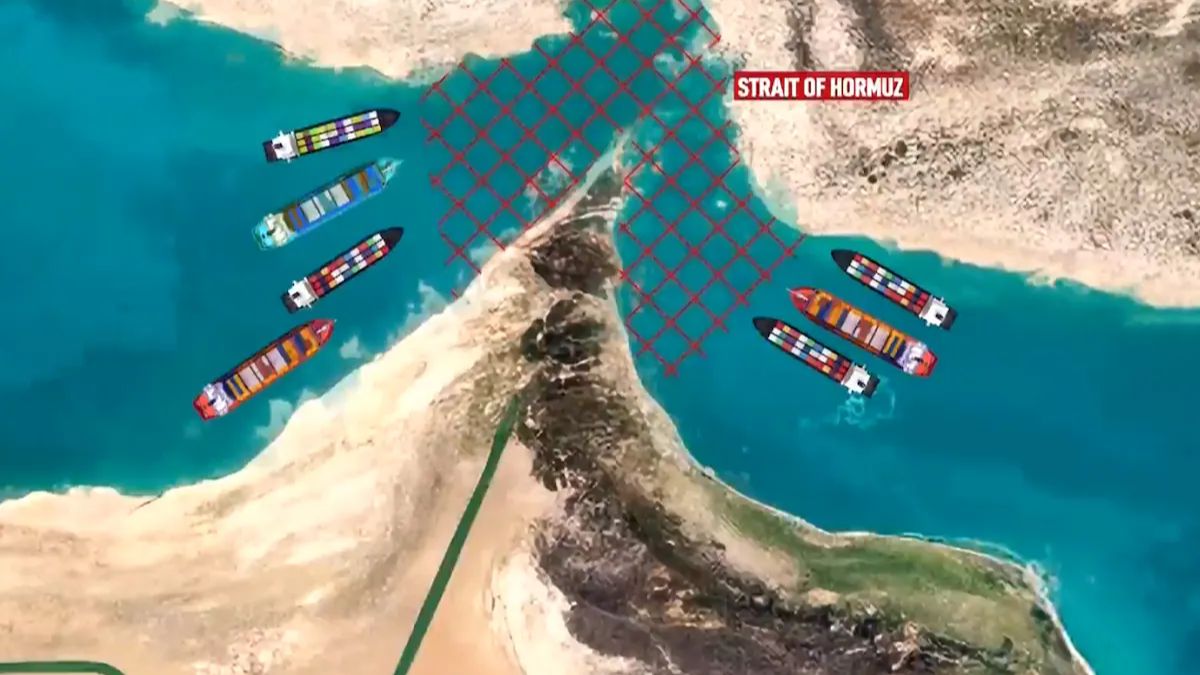
In a statement Wednesday, the UAE foreign ministry expressed concerns about the ceasefire agreement, seeking clarification on its provisions. The Emirates wants assurance that Iran will permanently cease all hostilities and completely reopen the Strait of Hormuz without conditions.
“The UAE is seeking further clarification on the agreement’s provisions to ensure Iran’s full commitment to an immediate cessation of all hostilities in the region and the complete and unconditional reopening of the Strait of Hormuz,” the ministry stated.
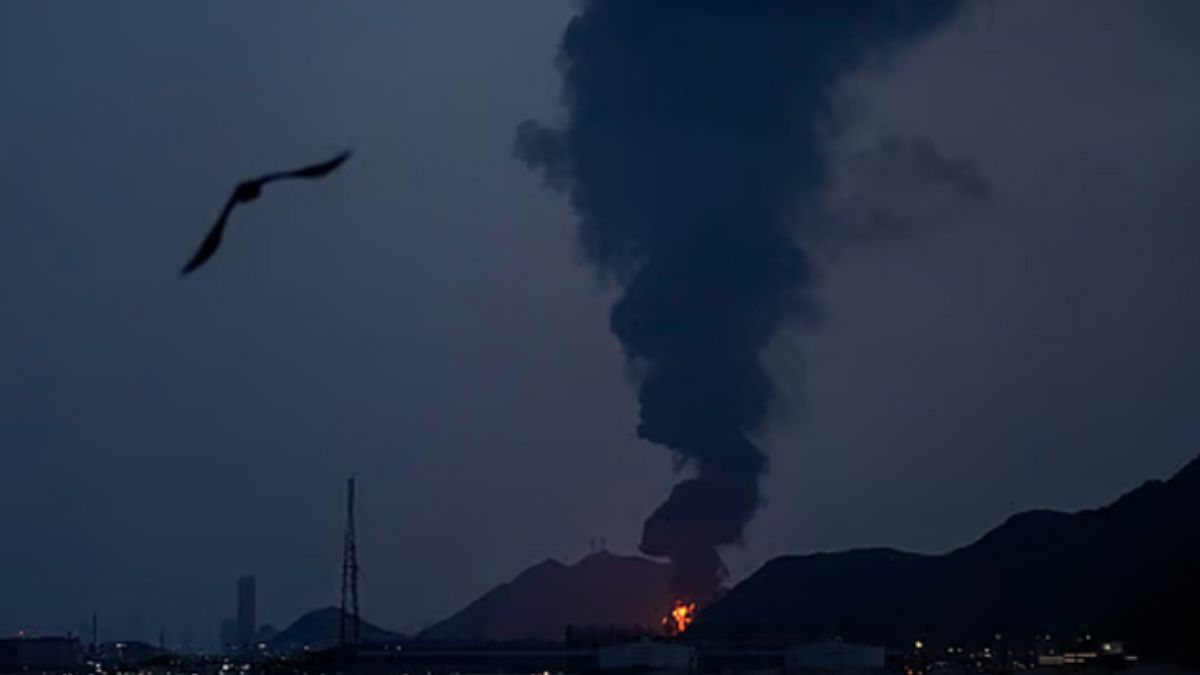
Beyond immediate cessation of violence, the UAE stressed that Iran must face consequences for the destruction it inflicted. Iranian attacks “necessitate a firm position, including ensuring that Iran is held accountable and fully liable for damages and reparations,” the foreign ministry added.
Broader Gulf Concerns
The UAE’s demands reflect a pattern among Gulf states seeking to use the ceasefire negotiations to establish binding conditions for lasting peace. Rather than accepting a simple halt to fighting, Gulf nations are pressing for comprehensive settlements addressing multiple security dimensions.
Bahrain’s Conditions
Bahrain similarly welcomed the ceasefire while outlining stringent conditions for a permanent agreement. The Kingdom stressed the critical importance of preventing Iran from developing nuclear weapons and halting production and proliferation of ballistic missiles and drones.
“Bahrain also called for a final agreement that will stop Iran from destabilizing the security of the Gulf and the wider Middle East,” the foreign ministry said.
A Pattern of Accountability Demands
The Gulf states’ positions reflect their vulnerability to Iranian military capabilities and past attacks. By demanding reparations, verification mechanisms, and comprehensive settlements, they are attempting to use current diplomatic openings to establish durable constraints on Iranian behavior.
Both the UAE and Bahrain have signaled that they view the ceasefire not as an endpoint but as a foundation for negotiating deeper, more binding agreements that address their core security and economic interests.
The coming weeks of negotiations will reveal whether these Gulf demands become part of any final settlement or whether they must accept more limited agreements focused narrowly on halting hostilities.
Also Read:
Two Injured in Bahrain Drone Strike Linked to Iran
Tragedy in Lebanon: Man Hunts for Family Mementos in Bombed Home