


UAE and Allies Condemn Israel’s Rafah Move

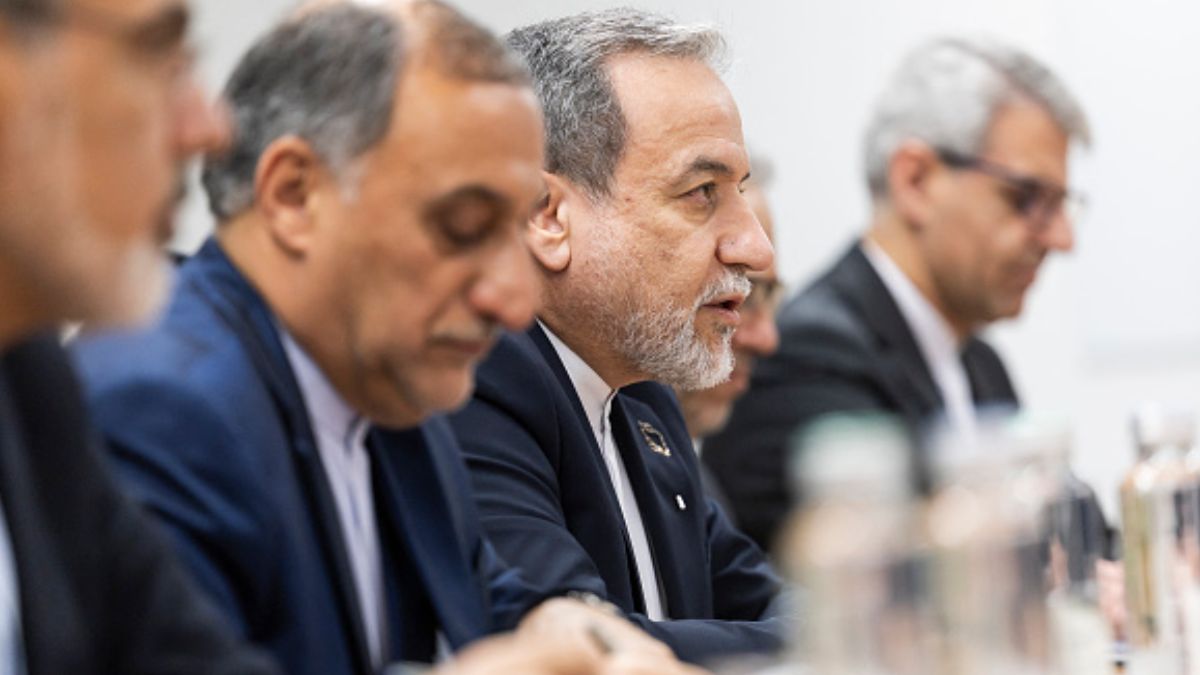
In a significant display of diplomatic unity, the foreign ministers of eight nations—the UAE, Saudi Arabia, Egypt, Jordan, Indonesia, Pakistan, Turkey, and Qatar—issued a joint statement on Friday firmly condemning Israeli plans concerning the Rafah border crossing. The move underscores deepening regional concern over the humanitarian and political trajectory of the Gaza conflict.
The focal point of the condemnation is Israel’s announcement that it would open the Rafah crossing “exclusively for the exit of residents” from the Gaza Strip. This one-way exit plan, linked to Hamas’s return of a deceased hostage’s remains, has been met with sharp criticism. The coalition of ministers expressed “strong concern” about the proposal, declaring their “absolute rejection of any attempts to expel the Palestinian people from their land.”
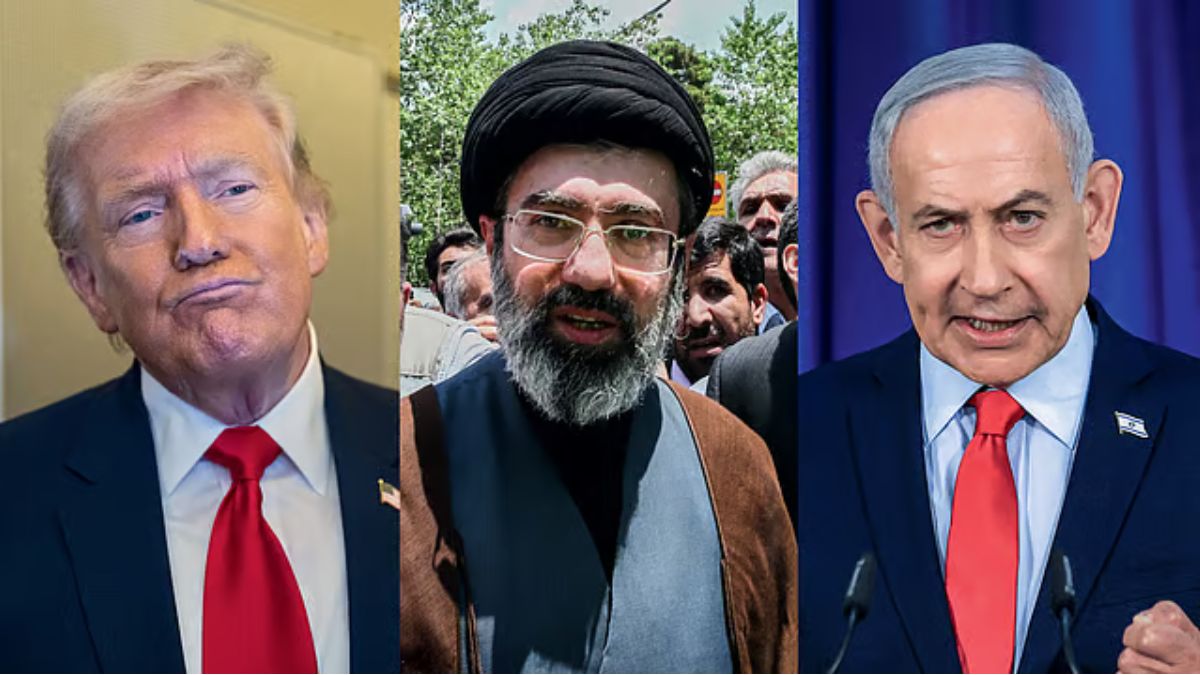
The statement carried considerable political weight, as it explicitly tied the ministers’ position to the U.S.-brokered peace framework. They stressed “the necessity of full adherence to the plan proposed by US President Donald Trump,” expressing appreciation for his “commitment to establishing peace in the region.” The ministers emphasized the urgency of moving forward with the full implementation of the so-called “Trump Plan” without delay.
Beyond rejecting the one-way exit, the joint communiqué outlined a broader vision for Gaza’s immediate future. It highlighted the critical need to sustain the ceasefire, alleviate civilian suffering, and ensure the unrestricted flow of humanitarian aid into the territory. The ministers also called for the initiation of early recovery and reconstruction, aiming to create conditions that would allow the Palestinian Authority to resume governance in Gaza—a step they see as foundational for a new phase of regional security and stability.
However, a layer of operational uncertainty clouds Israel’s announcement. Egypt, a key actor controlling the other side of the Rafah crossing, publicly denied on Wednesday that it was coordinating with Israel on a one-way exit. Egyptian officials stated that any agreement to open the crossing would be for two-way movement, allowing both entry and exit. This contradiction raises questions about the feasibility of Israel’s plan and points to the complex, behind-the-scenes negotiations that continue to shape access to the besieged enclave.
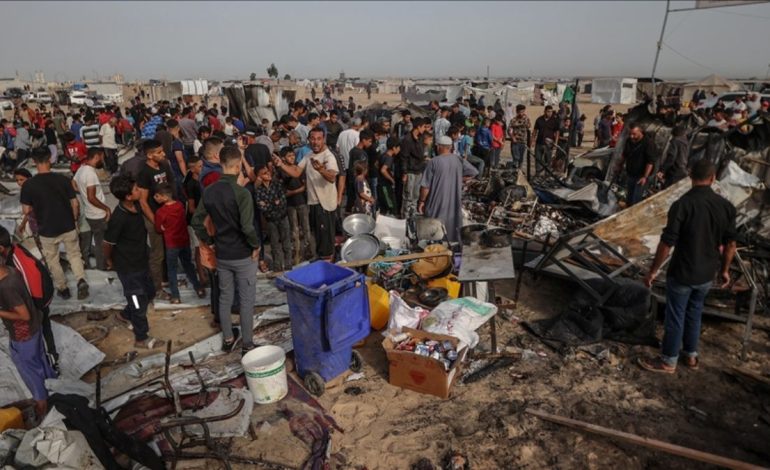
The diplomatic condemnation arrives amid reports from Gaza residents of severe military strikes in recent nights, described as some of the worst since the ceasefire began in October. This context underscores the fragile nature of the current truce and the pressing humanitarian stakes involved.
The unified stance of these eight nations signals a collective determination to influence the next phase of the Gaza crisis. It rejects measures perceived as leading to displacement while advocating for a political pathway anchored in a specific U.S.-backed vision—placing the international community, and the involved parties, at a critical juncture.
Also Read: