

Two Killed in Israeli Strike on South Lebanon
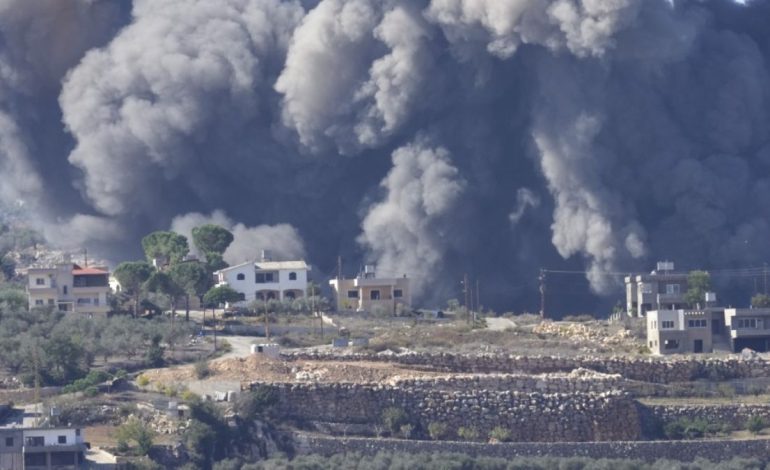

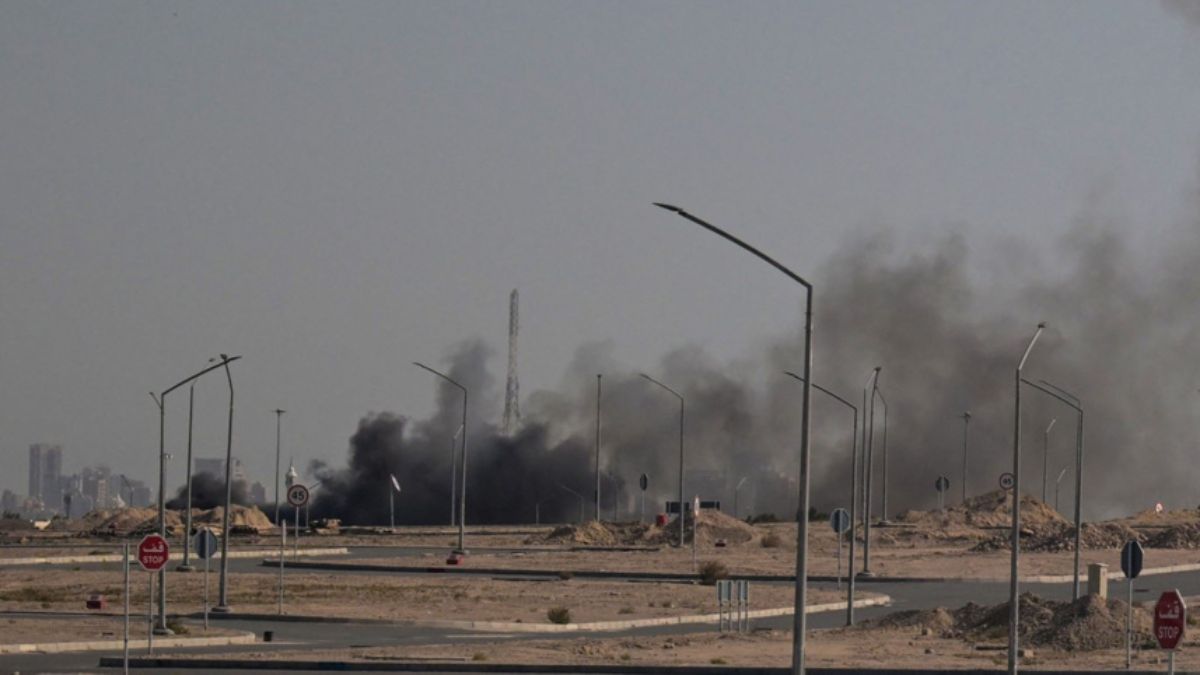
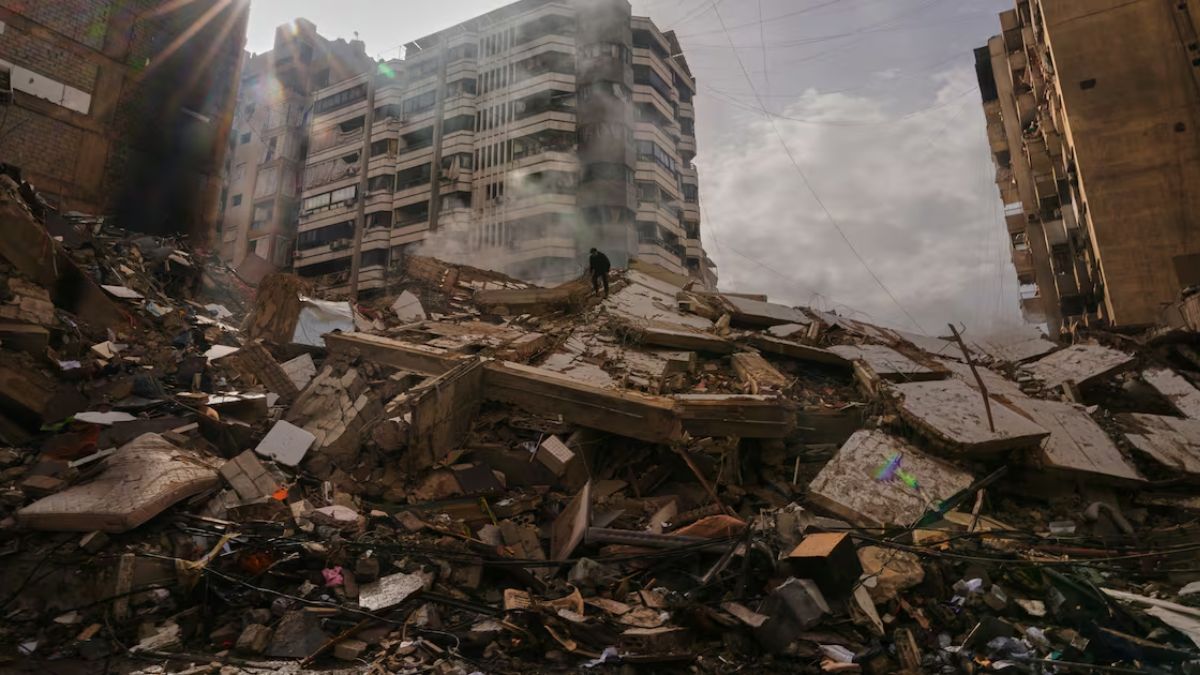
The fragile calm in southern Lebanon was shattered once more on Sunday, a stark reminder that a ceasefire is not the same as peace. An Israeli airstrike targeted a vehicle near the town of Jmaijmeh, roughly six miles from the Israeli border. The result, as so often in this troubled region, was a grim tally of conflicting narratives and human loss.
Lebanon’s health ministry confirmed the killing of two individuals in what it termed an “Israeli enemy strike.” Simultaneously, the Israeli military released a statement justifying the raid, claiming it had targeted a Hezbollah operative in response to the group’s “continued violations of the ceasefire understandings.”
This incident lays bare the precarious state of the year-old truce. While large-scale warfare has ceased since November 2024, the landscape remains one of simmering conflict. Israel maintains a policy of regular strikes inside Lebanon, which it insists are preemptive actions against Hezbollah sites and personnel. Beirut, under immense international pressure and fearing a wider Israeli military campaign, has committed to the monumental task of disarming the powerful Iran-backed group—a cornerstone of the ceasefire agreement.
The agreed-upon process is a phased one. The Lebanese Armed Forces were expected to complete the disarmament of Hezbollah fighters south of the Litani River by the end of 2025, before confronting the even more politically sensitive challenge of dismantling the group’s arsenal elsewhere in the country. Progress, however, is a matter of sharp dispute.
Israeli Foreign Minister Gideon Saar took to social media on Sunday to acknowledge Lebanese efforts but called them “far from sufficient.” He pointed directly to what Israel sees as the core issue: “Hezbollah’s efforts to rearm and rebuild, with Iranian support.” This accusation of rearmament, coupled with longstanding Israeli doubts about the Lebanese military’s capability or will to act against Hezbollah, fuels a cycle of suspicion and violence.
The human cost of this unresolved stalemate is severe. According to a tally of official Lebanese reports, at least 350 people have been killed by Israeli fire in Lebanon since the ceasefire began. Each strike deepens grievances and complicates the path to a lasting political solution.
This week, the tension moves from the battlefield to the meeting room. Lebanon’s cabinet is scheduled to convene on Thursday to assess the army’s progress, while the international ceasefire monitoring committee—including Lebanon, Israel, the US, France, and UN peacekeepers—is also set to meet. These discussions will unfold under the dark shadow of Sunday’s deaths.
The strike near Jmaijmeh is more than a isolated event; it is a symptom of a ceasefire under immense strain. It underscores a brutal truth: without tangible progress on disarmament and a mutual commitment to de-escalation, the delicate understandings that halted a war remain vulnerable to being undone, one deadly strike at a time. For the residents of south Lebanon, the promise of peace feels as distant as ever.
Also Read:
Spain Emphasizes the Need for Gaza Reconstruction and Recovery