

Trump and Netanyahu Set to Discuss the Next Phase of the Gaza Plan
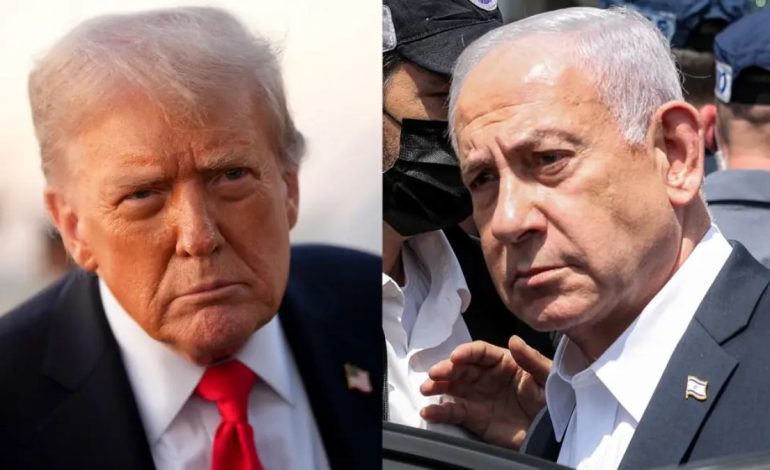

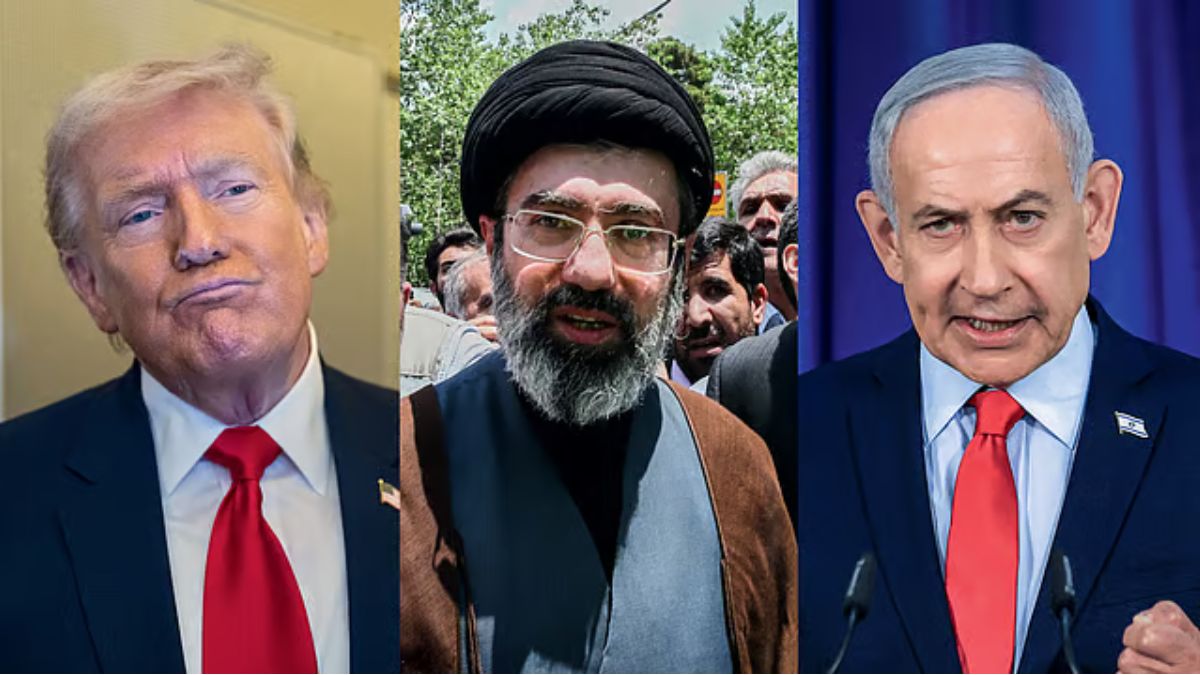
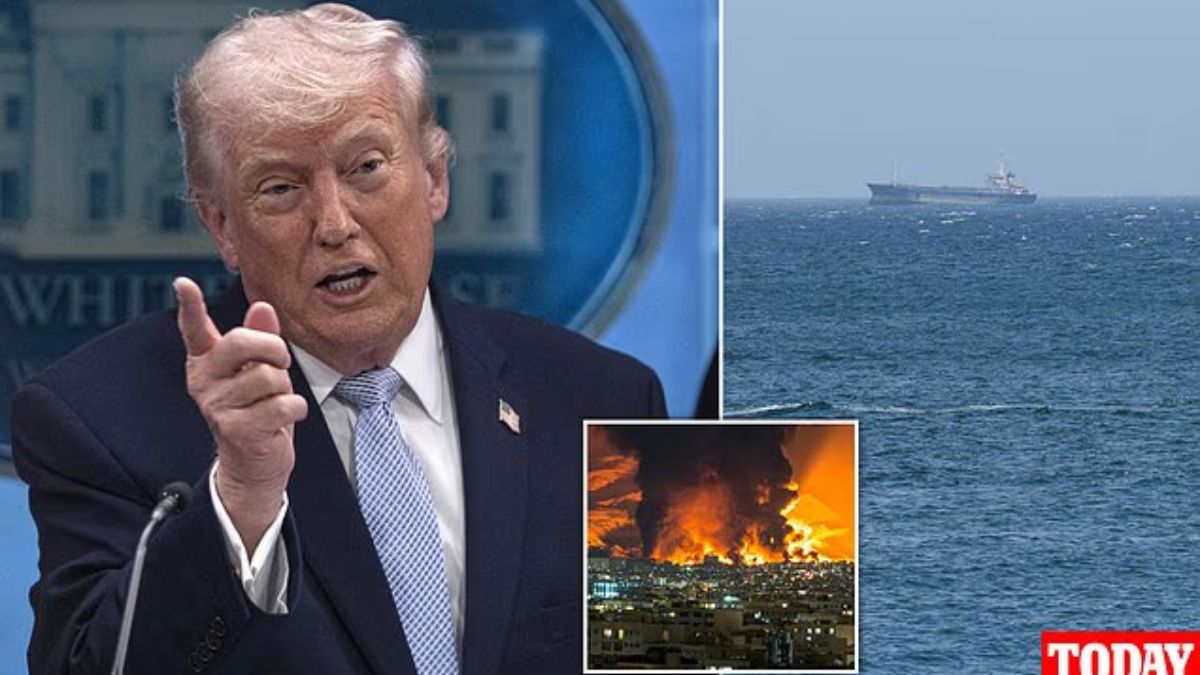
As Israeli Prime Minister Benjamin Netanyahu travels to meet with US President Donald Trump at Mar-a-Lago, the agenda is weighty and the stakes are immense. The talks, expected on Monday, will center on breaking the deadlock in the next phase of the Gaza ceasefire, while also addressing Israel’s profound concerns over a rearming Hezbollah in Lebanon and Iran’s continued regional maneuvers.
This meeting comes at a critical juncture. While a fragile truce has held in Gaza since October, the path forward envisioned in Trump’s own ceasefire plan has stalled dramatically. All sides initially agreed to a framework that called for an Israeli withdrawal from Gaza and Hamas relinquishing its weapons and governance role. Yet, the two parties now accuse each other of major breaches, leaving the plan’s next steps in limbo.
The Gaza Impasse: Governance vs. Disarmament
US Secretary of State Marco Rubio recently emphasized Washington’s priority: establishing the transitional administration outlined in the Trump plan. This body, a “Board of Peace” supported by Palestinian technocrats, is meant to govern Gaza ahead of deploying an international security force. However, a fundamental chasm remains. Hamas has refused to disarm and has reasserted control in areas Israeli troops have left. Israel, in turn, has made it clear that if peaceful disarmament fails, it is prepared to resume military operations to achieve it.
The human cost of the stalled “quiet” is grim. Despite the ceasefire, Gaza health officials report over 400 Palestinians, mostly civilians, have been killed in Israeli strikes, while Palestinian militants have killed three Israeli soldiers. The shadow of a return to full-scale conflict looms large.
Lebanon’s Unfinished Business and the Iranian Shadow
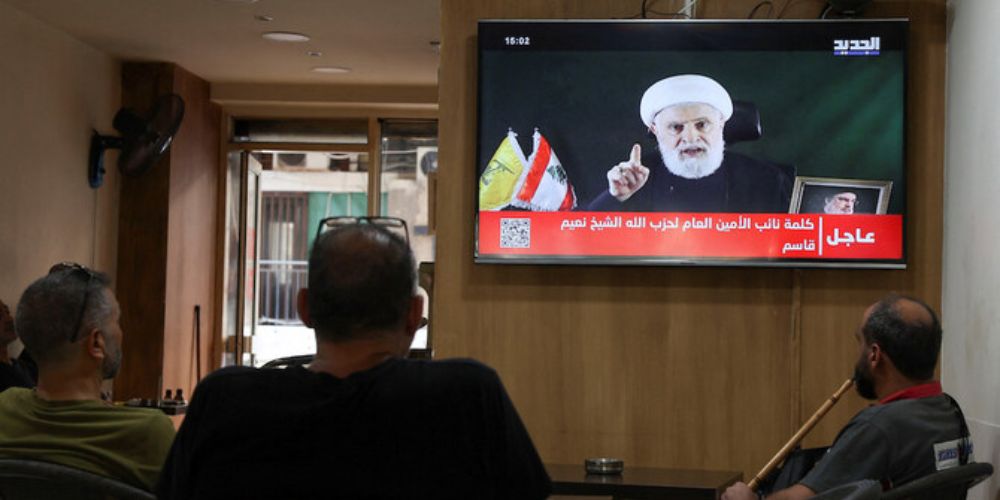
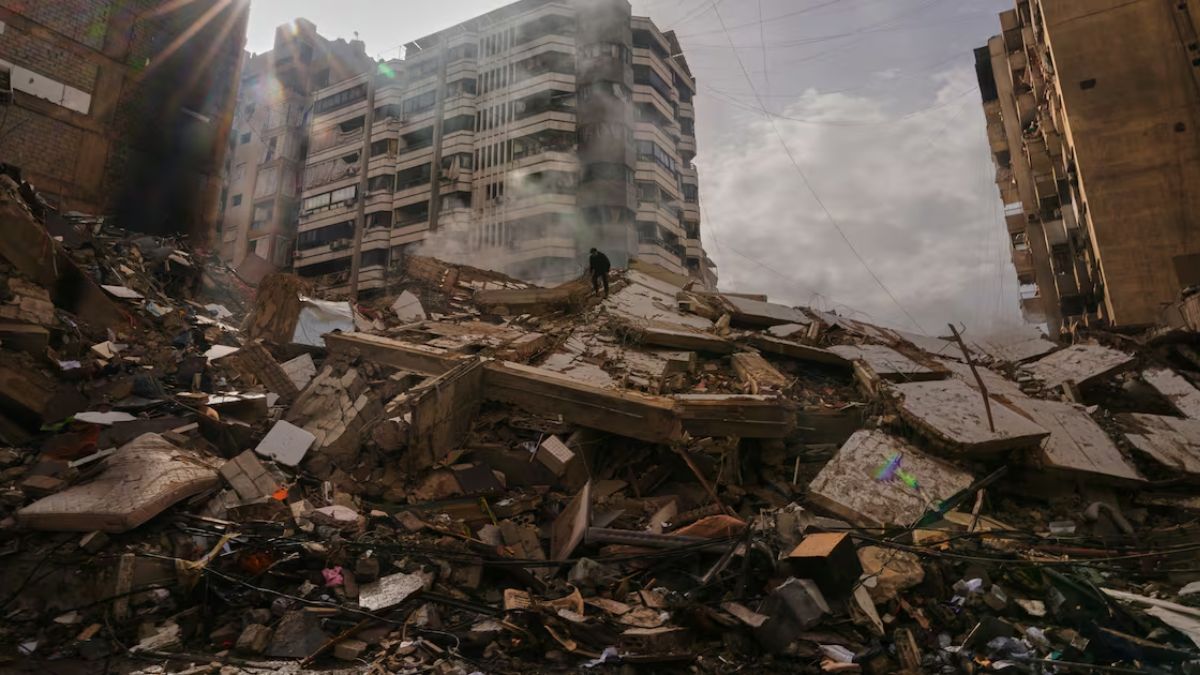
The parallel ceasefire on Israel’s northern front with Hezbollah is also under strain. A US-brokered agreement from November 2024 required the disarmament of the Iran-backed group, starting in areas adjacent to Israel. While Lebanon claims it is nearing completion, Israel argues progress is “partial and slow” and has continued near-daily strikes to prevent Hezbollah from rebuilding its military infrastructure.
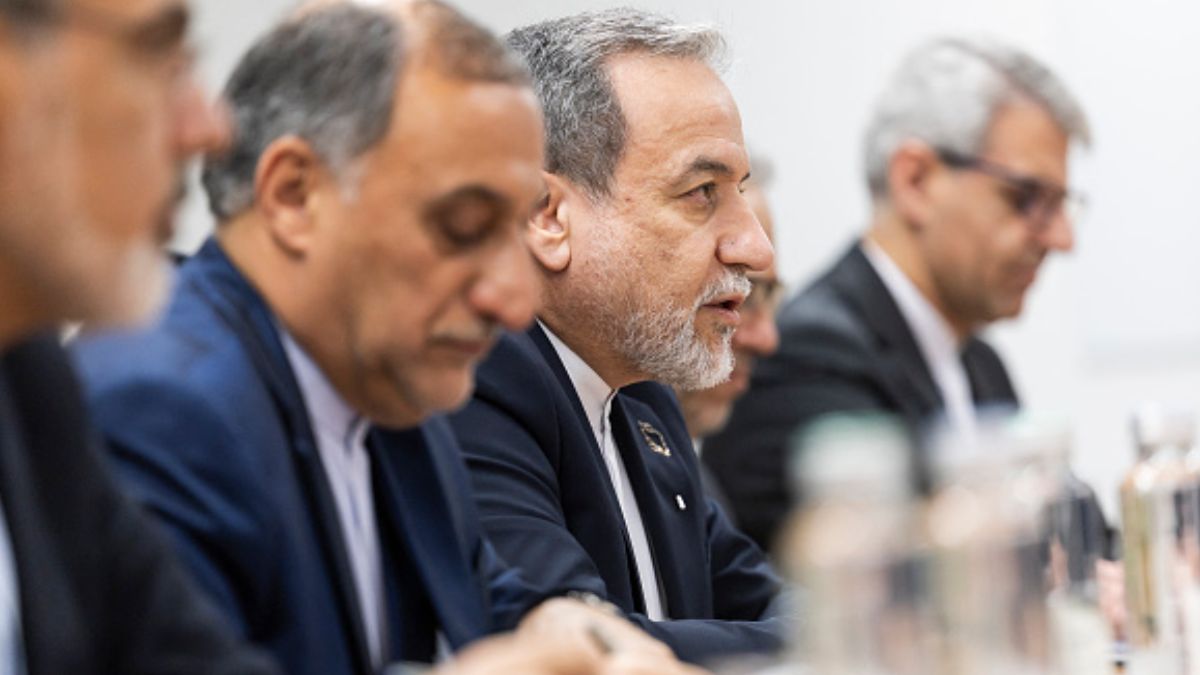
This directly ties into the third major topic: Iran. Having fought a short, intense war with Israel in June, Tehran recently conducted its second missile exercise this month, a clear show of force. Netanyahu has stated Israel does not seek a new confrontation but will undoubtedly raise Iran’s activities with President Trump. The dynamic is complex; Trump ordered strikes on Iranian nuclear sites in June but has also since floated the potential for a deal with Tehran.
A Test of Diplomacy and Deterrence
The Mar-a-Lago meeting, therefore, represents a crucial test. Can the US-Israel alliance forge a viable path to implement the next phase in Gaza, or are they merely managing an inevitable collapse of the truce? Can diplomatic pressure ensure Hezbollah’s disarmament, or will the northern front re-ignite? And how will the two leaders coordinate on the overarching challenge of Iran’s ambitions and capabilities?
President Trump is expected to push for progress, but the gaps are wide and filled with mutual distrust. The outcomes of this conversation will not only shape the immediate future for Gazans and Lebanese but will also define the next chapter of regional stability in a profoundly volatile Middle East.
Also Read:
Israeli Reservist Hits Palestinian Man During Prayer in the West Bank
Why Lebanon’s Financial Gap Draft Law Is Facing Opposition from Major Parties