

Trump Issues Strong Warning Over Future US Support for Iraq
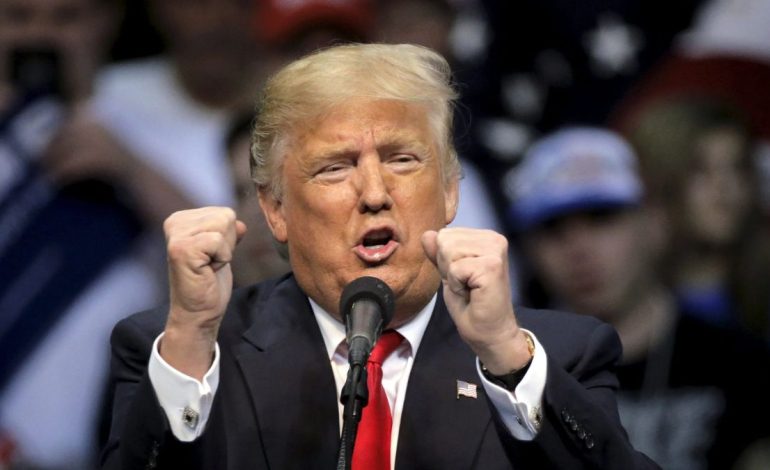

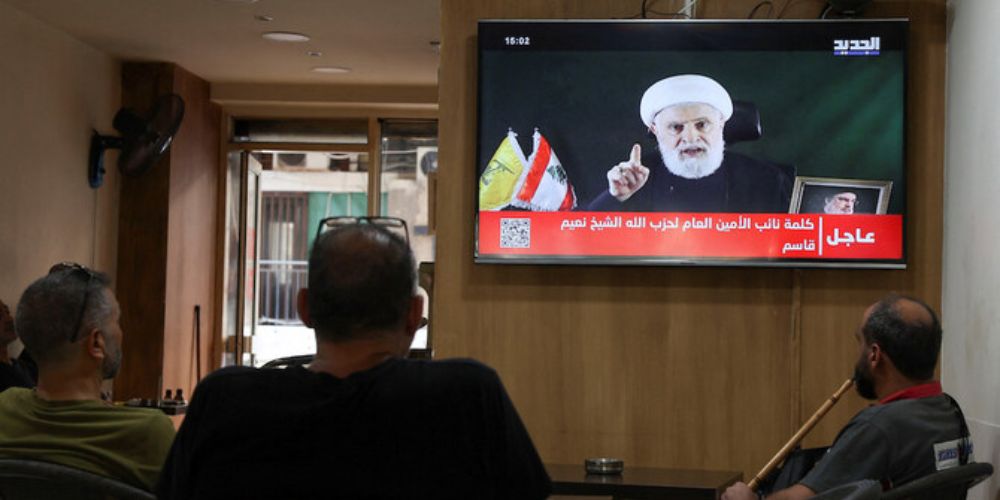
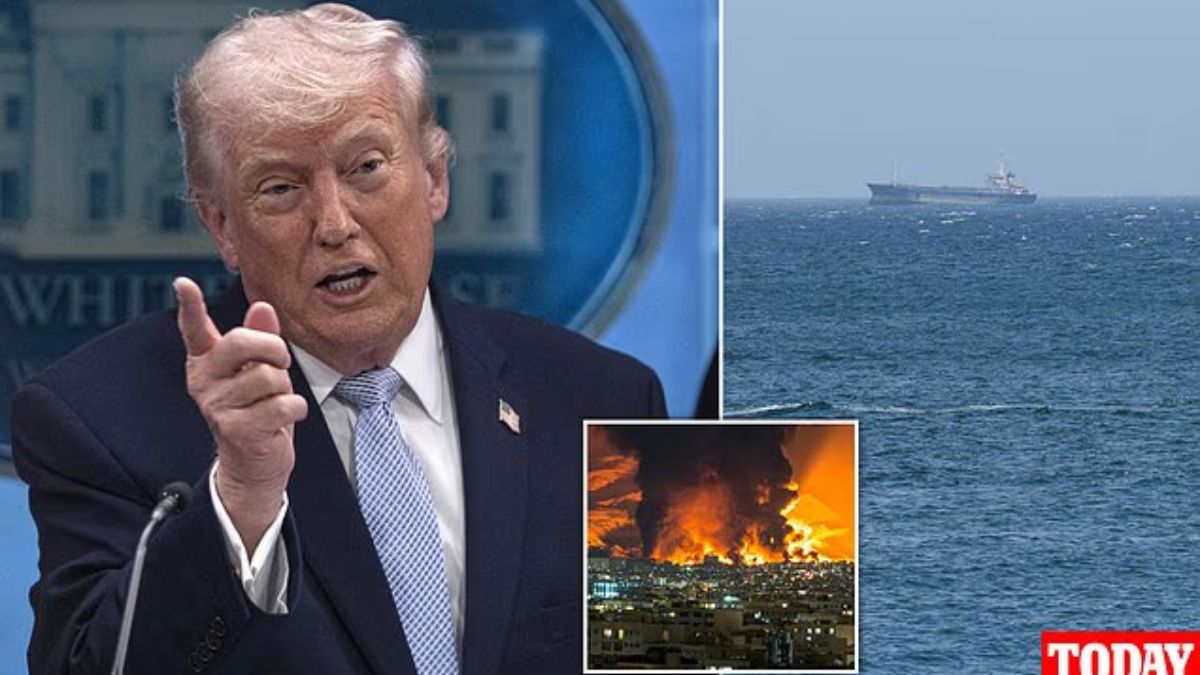
In a striking and direct intervention into Iraqi domestic politics, President Donald Trump has issued a clear ultimatum: the United States will end all support for Iraq if former Prime Minister Nouri al-Maliki returns to power.
The warning, delivered Tuesday on the President’s Truth Social platform, came in response to the nomination of Maliki by Iraq’s largest Shiite parliamentary bloc, the Coordination Framework. Trump characterized Maliki’s potential return as a “very bad choice” for Iraq.
“Last time Al-Maliki was in power, the Country descended into poverty and total chaos. That should not be allowed to happen again,” Trump wrote. He tied future American assistance directly to the decision, stating, “Because of his insane policies and ideologies, if elected, the United States of America will no longer help Iraq.”
Leverage and High Stakes
The threat carries significant weight due to a key point of US leverage: approximately 90% of Iraq’s government revenue comes from oil sales, the proceeds of which are largely held at the Federal Reserve Bank in New York under an arrangement established after the 2003 US-led invasion.
Maliki, who served as Prime Minister from 2006 to 2014, was pressured out of office by the Obama administration. Washington blamed his sectarian Shiite agenda for fueling the marginalization of Sunni Arabs, which created fertile ground for the rise of the Daesh (ISIS) terrorist group.
A Delicate Political Moment
Trump’s public statement amplifies concerns already conveyed privately by his administration. Secretary of State Marco Rubio recently voiced similar worries to Iraq’s current Prime Minister, Mohammed Shia al-Sudani. The US is also reported to have sent letters to Iraqi politicians expressing a negative view of Maliki.
The political process in Baghdad has already hit a snag, with parliament delaying a scheduled vote for the largely ceremonial presidency—a post traditionally held by a Kurd. This delay suggests deep internal divisions.
Broader Regional Implications
A Maliki-led government, with his well-documented ties to Iran, would represent a major strategic victory for Tehran at a time when the Iranian regime is grappling with domestic unrest and setbacks among its regional proxies.
The Trump administration has maintained functional relations with Prime Minister Sudani, who has worked to curb violence by Iran-aligned militias and cooperated on sensitive security issues, including the transfer of ISIS detainees from Syria.
A Pattern of Open Intervention
This move is consistent with President Trump’s pattern of openly engaging in foreign elections, having previously endorsed right-wing candidates in Poland, Romania, and Honduras. It follows the recent US military operation that ousted Venezuelan President Nicolás Maduro.
By explicitly threatening to sever crucial economic and security support, Trump has placed the future of US-Iraq relations squarely on the shoulders of Iraq’s political factions. The coming days will reveal whether Iraqi lawmakers proceed with Maliki’s nomination, effectively calling the American President’s bluff, or whether this unprecedented public pressure forces a different outcome, reshaping the political landscape in Baghdad.
Also Read:
Syria Intercepts Cocaine Cargo Linked to Brazil in Major Drug Bust
Survival in Gaza on the Edge as UN Warns of Brutal Living Conditions