Can the Third Round of Talks Prevent a Wider Conflict in the Middle East?

As Iran and the United States prepare for a third round of nuclear negotiations in Geneva this Thursday, the stakes could not be higher. With the US military presence in the Middle East significantly expanded and President Donald Trump warning that “really bad things will happen” without a deal, the talks represent perhaps the last best chance to prevent military conflict between the longtime adversaries.
A Delicate Dance
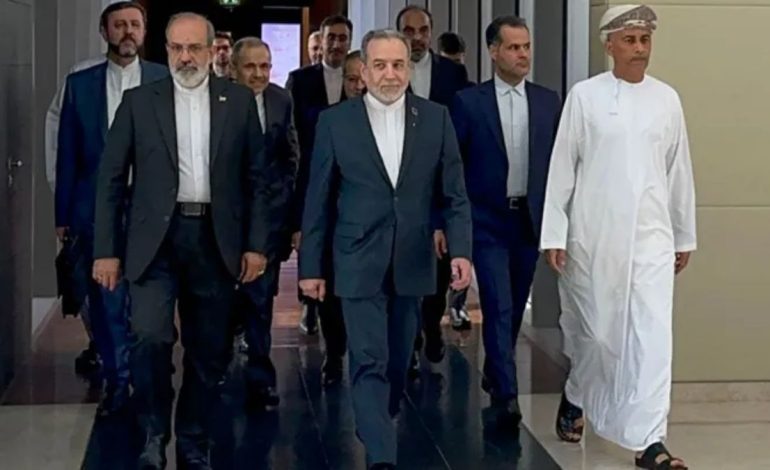
Oman’s Foreign Minister Badr Albusaidi confirmed Sunday’s scheduling, expressing optimism while acknowledging the difficulty ahead. “Pleased to confirm US-Iran negotiations are now set for Geneva this Thursday, with a positive push to go the extra mile toward finalizing the deal,” he said, speaking for a nation that has long served as mediator in indirect US-Iran communications.
Iran’s President Masoud Pezeshkian struck a cautiously optimistic tone on X, noting recent negotiations had “yielded encouraging signals” while pointing to Tehran’s readiness for “any potential scenario.” Reuters reported Sunday that Iran is offering fresh concessions on its nuclear program—potentially including sending half of its highly enriched uranium abroad while diluting the rest—in exchange for lifting economic sanctions and recognition of its right to “peaceful nuclear enrichment.”
The US Perspective
The American position, as articulated by Trump’s special envoy Steve Witkoff, reflects both urgency and frustration. Witkoff told Fox News that Trump is “curious as to why they have not… I don’t want to use the word ‘capitulated,’ but why haven’t they capitulated?” He pointed to US naval power in the region and the pressure Iran faces, questioning why Tehran hasn’t offered clear assurances about its nuclear intentions.
“They’ve been enriching well beyond the number that you need for civil nuclear. It’s up to 60 percent (fissile purity),” Witkoff said. “They’re probably a week away from having industrial, industrial-grade bomb-making material, and that’s really dangerous.”
Iranian Foreign Minister Abbas Araqchi responded directly on X: “Curious to know why we do not capitulate? Because we are Iranian.” In a CBS interview, he maintained that a diplomatic solution remains within reach.
The Sticking Points
Previous indirect talks failed primarily due to US demands that Iran forgo uranium enrichment on its soil—something Tehran views as a sovereign right and insists it pursues only for peaceful purposes. The US and Israel struck Iranian nuclear sites in June, which Trump described as “obliterated,” but Iran retains previously enriched stockpiles that Washington wants relinquished.
Washington also seeks to expand negotiations beyond the nuclear issue to address Iran’s missile program and support for regional armed groups. Iran has publicly rejected this expansion, though sources suggest support for armed groups may not be a red line in the same way missiles are.
Another point of friction: the scope and mechanism of lifting sanctions on Iran. A senior Iranian official told Reuters Sunday that differences remain.
The Broader Context
The negotiations unfold against a backdrop of heightened regional tensions. Trump’s warning Thursday that “really bad things will happen” without a deal follows a pattern of escalating rhetoric that has characterized his administration’s approach to Iran.
Witkoff also revealed that he has met at Trump’s direction with Iranian opposition figure Reza Pahlavi, son of the shah ousted in Iran’s 1979 revolution—a signal that Washington is exploring multiple channels and potential outcomes.
What’s at Stake
For Iran, a successful deal could mean relief from crippling economic sanctions and recognition of its nuclear program’s legitimacy. For the US, it would mean verifiable limits on Iran’s nuclear capabilities and reduced regional threats. For the Middle East, it could mean avoiding another devastating war.
But the path to agreement is narrow. Both sides have hardened positions over years of confrontation. Domestic politics constrain flexibility. Trust is virtually absent.
As Thursday’s talks approach, the question is not whether differences remain—they do—but whether the shared desire to avoid conflict can overcome them. Oman’s “positive push to go the extra mile” may be exactly what’s needed. The alternative, as Trump framed it, is “really bad things.”
In Geneva, diplomats will sit across from each other, carrying the hopes of those who prefer negotiation to war. Whether they can turn “encouraging signals” into a lasting agreement will shape the Middle East’s future for years to come.
Also Read:
UAE Housing Market Trends: Will Home Sales Slow Down This Year?
Why Sudan Slams Uganda for Hosting RSF Chief Amid Rising Tensions