



The Lasting Impact of Hunger on Gaza’s Children
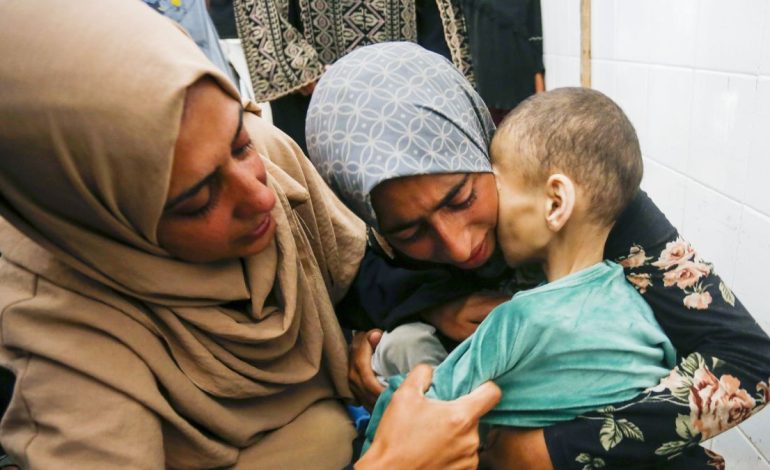

LONDON — A fragile ceasefire and a trickle of aid have eased the most severe famine conditions in Gaza, but for children who have lived through nearly two years of deprivation, the damage runs deep—and in many cases, may be irreversible.
Though famine was only formally declared last August, families in Gaza had long been cut off from nutritious food, clean water, and medical care. For children born during this period, hunger has reshaped their understanding of the world.
“Children born during the war do not know sweets, eggs, chicken, fish or fruit,” says Maysa Yousef, an artist and mother of four in central Gaza. “They have not eaten vegetables or protein, so their bodies are extremely weak and their ability to focus is almost nonexistent.”
Yousef tells of a friend’s toddler who calls all round fruit “ball” because she has never tasted an apple or an orange. These children know only canned beans, processed meat, and bread—staples that kept families alive but failed to nourish growing bodies and minds.
The Hidden Toll of Malnutrition
The health consequences are staggering. By September, local health authorities reported at least 440 starvation-related deaths, including 147 children. The true number is believed to be much higher, as many die unrecorded in homes or shelters without access to medical care.
For those who survive, the legacy of hunger lingers. Yousef’s young daughter lost all her baby teeth during the famine; some never grew back, and those that did are deformed. Persistent headaches, stunted growth, and weakened immunity are common among Gaza’s children.
UNICEF reports that despite recent aid increases, thousands of children under five remain acutely malnourished. Catherine Russell, the agency’s executive director, warned in late November: “Every minute counts to protect these children.”
More Than Empty Stomachs
Malnutrition’s impact extends beyond physical health. Research published earlier this year in Frontiers in Public Health shows that exposure to famine in early childhood sharply increases the risk of chronic diseases later in life—hypertension, diabetes, stroke, kidney disease, and cognitive disorders.
Pregnant and breastfeeding mothers have been especially vulnerable. In August, more than 40% suffered severe malnutrition, leading to premature births, underweight babies, and a heightened need for neonatal emergency care.
Dutch epidemiologist Tessa Roseboom explains that prenatal malnutrition can leave epigenetic marks on a fetus’s DNA, altering how genes are expressed—a silent, lifelong imprint of hunger.
A Fragile Recovery
Since the October ceasefire, some aid has reached Gaza, allowing families to eat two meals a day instead of one. Yet access to nutrient-rich foods—vegetables, eggs, meat—remains limited or unaffordable. Cash liquidity is another barrier; many cannot withdraw money without exorbitant fees, leaving them unable to buy what little is available.
Humanitarian agencies stress that short-term aid is not enough. The World Food Programme notes that only about half of necessary food assistance is reaching those in need. To truly recover, children require sustained surplus calories, protein, and vitamins—up to 25% more than normal intake for months.
A Generation Marked by Hunger
World Health Organization Director-General Tedros Adhanom Ghebreyesus has called the situation in Gaza a health “catastrophe” that will last for “generations to come.”
Even if food flows increase today, the developmental delays, chronic health conditions, and psychological trauma already inflicted on Gaza’s children will shape their futures—and the future of Palestinian society.
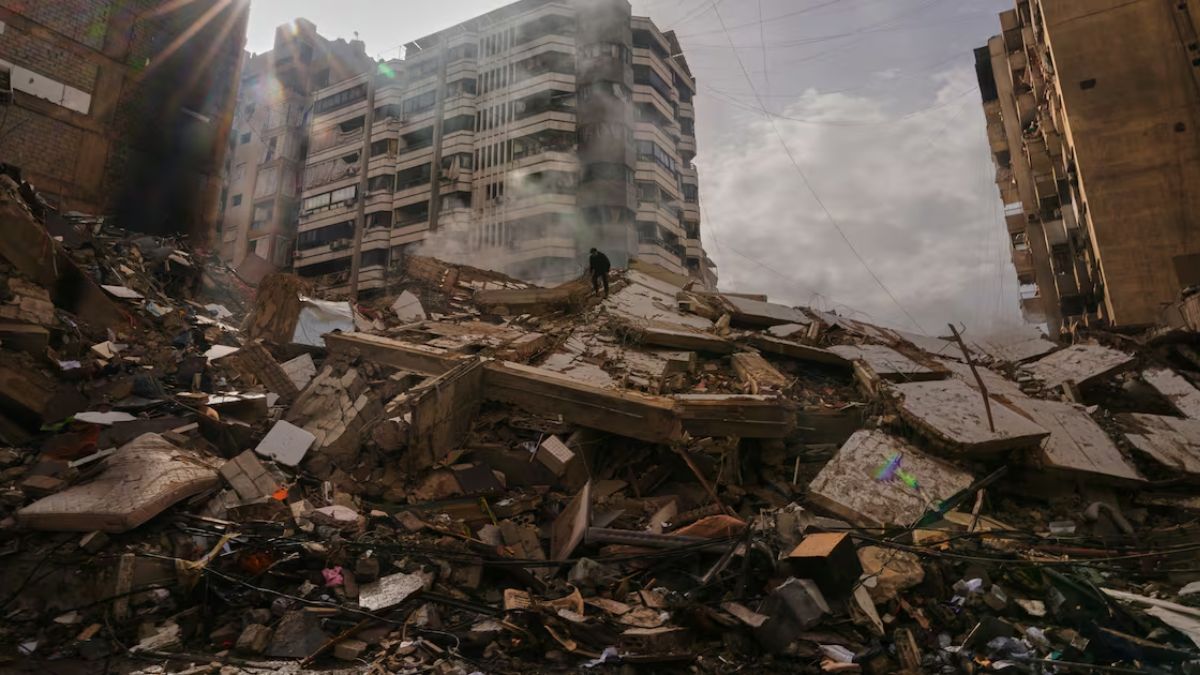
For mothers like Maysa Yousef, watching her children sleep hungry was “unbearable.” Now, as she navigates life among the rubble, her hope is tempered by the knowing that some wounds—those etched into bone, brain, and DNA—may never fully heal.
Also Read:
How a 15-Year-Old Pin Became a Symbol of Saudi-China Cultural Friendship