

Syrian Government and SDF Reach Agreement to Reduce Tensions After Aleppo Clashes

In the scarred landscape of northern Syria, where conflict has worn deep grooves into the earth and society, even a temporary pause in fighting is a moment to note. Late Monday evening, such a moment arrived. Following a series of deadly clashes in Aleppo that claimed civilian lives, the Syrian government forces and the Kurdish-led Syrian Democratic Forces (SDF) reached an agreement to step back from the brink.
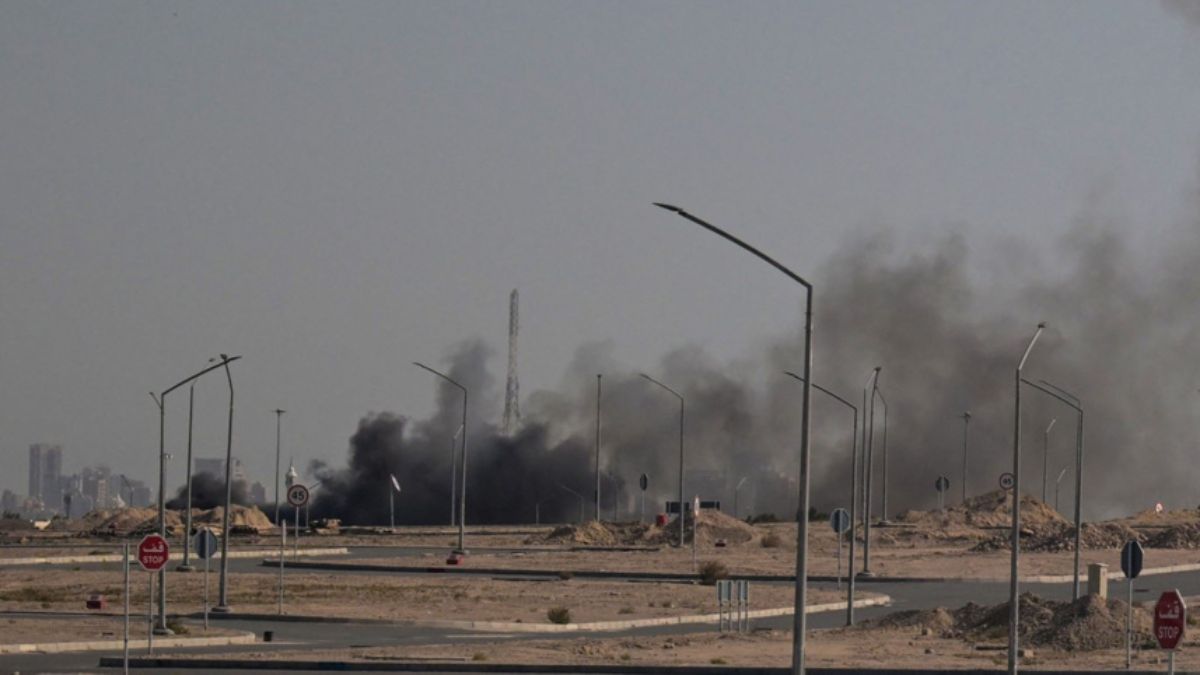
The accord came after a tense wave of attacks, which each side predictably blamed on the other. The violence left at least two civilians dead and several more wounded—a somber reminder of who pays the ultimate price when localized tensions flare. In response, Syria’s defense ministry, through the state news agency SANA, announced its forces would stop targeting SDF fire sources. Shortly after, the SDF confirmed it had issued its own instructions to cease responding to attacks, following what it termed “de-escalation contacts.”
This mutual, if wary, stand-down represents a critical effort to prevent a wider, more devastating confrontation. Aleppo, a city already synonymous with the brutal cost of war, can scarcely afford another major battle. The agreement suggests a recognition, however temporary, that neither side likely sees significant advantage in an all-out fight at this juncture. It is a tactical pause, brokered out of necessity.
However, anyone familiar with Syria’s complex war understands that such agreements are fragile. They are built on a foundation of profound mistrust and competing claims to authority and territory. The underlying disputes—over control, resources, and the future governance of northeastern Syria—remain entirely unresolved. A ceasefire of communication lines does not equate to a peace.
The international community, weary of the Syrian conflict, will watch closely. This de-escalation, while a vital respite for civilians, is not a resolution. It is a Band-Aid on a deep wound. The true test will be whether this pause can be leveraged into more sustained dialogue, or if it merely becomes an interlude before the next outbreak of violence.
For the people of Aleppo, today offers a fleeting sigh of relief. But their hope is undoubtedly tempered by a long history of broken promises. The path from a nightly ceasefire to lasting stability remains steep and uncertain. The world must hope that this time, the calm is not just the prelude to another storm.
Also Read:
Pakistani Army Chief Receives King Abdulaziz Medal from Saudi Arabia
KSrelief Begins Medical Care for a Young Girl from Gaza at King Hussein Cancer Center