

Sudan Prime Minister Presents Peace Plan at UN as US Calls for Immediate Truce

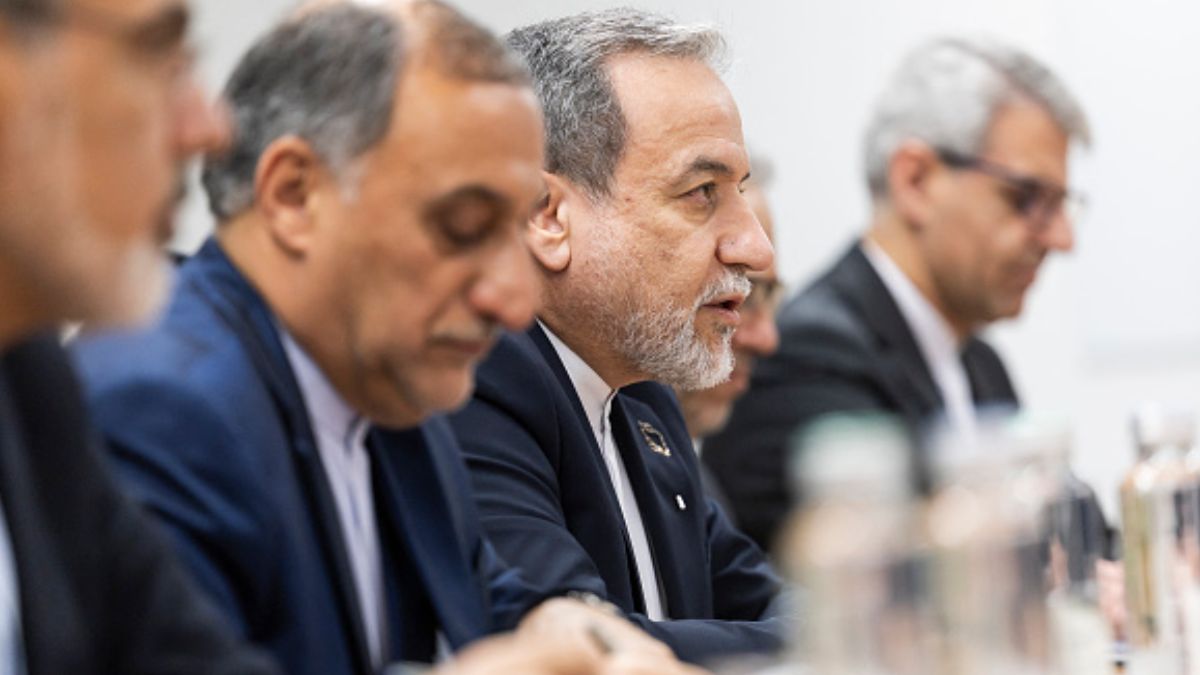
The halls of the United Nations Security Council this week echoed with a stark reminder of a crisis too often pushed to the periphery. As the war in Sudan nears the grim milestone of one thousand days, its Prime Minister, Kamil Idris, stood before the world’s most powerful diplomatic body to present a sweeping peace initiative—a bid to pull his nation back from the brink.
The plan is ambitious and unequivocal. Idris called for a UN, African Union, and Arab League-monitored ceasefire, but anchored it to a critical condition: the withdrawal of the rival paramilitary Rapid Support Forces (RSF) from all occupied areas, their relocation to supervised camps, and their eventual disarmament. For the civilian-led transitional government, this is the non-negotiable core. “Unless the paramilitary forces were confined to camps,” Idris warned, a truce had “no chance for success.”
His challenge to the Security Council was direct and charged with emotion: “This initiative can mark the moment when Sudan steps back from the edge… You! You!—stood on the right side of history.”
Yet, the response in the chamber highlighted the profound chasm between the warring parties and their international backers. The United States, through Deputy Ambassador Jeffrey Bartos, reiterated the Trump administration’s call for an immediate humanitarian truce, urging both sides to accept this plan “without preconditions.” This stance is shared by key regional mediators—Saudi Arabia, Egypt, and the UAE, known as the Quad.
The UAE Ambassador, Mohamed Abushahab, issued a sobering caution: “Lessons of history and present realities make it clear that unilateral efforts by either of the warring parties are not sustainable and will only prolong the war.” His words underscore a central tension. The Sudanese government views its plan as a sovereign, “homemade” solution, while mediators see a ceasefire as the only viable first step to stop the bleeding and address a catastrophic humanitarian emergency.
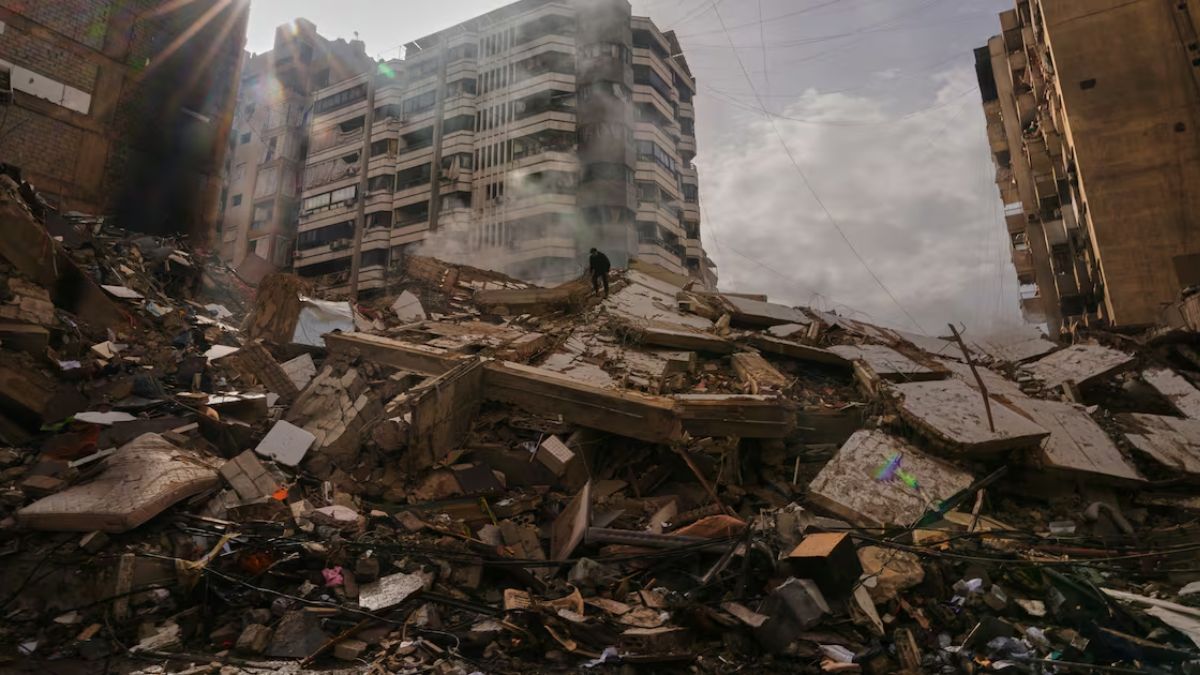
That emergency can no longer be overstated. The conflict has killed tens of thousands, displaced over 14 million people, and unleashed famine and disease. UN Assistant Secretary-General Khaled Khiari delivered a searing indictment, criticizing the continued flow of sophisticated weapons to both sides from unnamed nations. “While they were able to stop fighting to preserve oil revenues,” he noted pointedly, “they have so far failed to do the same to protect their population.”
The standoff is clear. One side demands disarmament as a precondition for lasting peace; the other is unlikely to surrender its leverage. The international community, while united in its condemnation of atrocities, is navigating a path between an immediate bandage and a permanent cure.
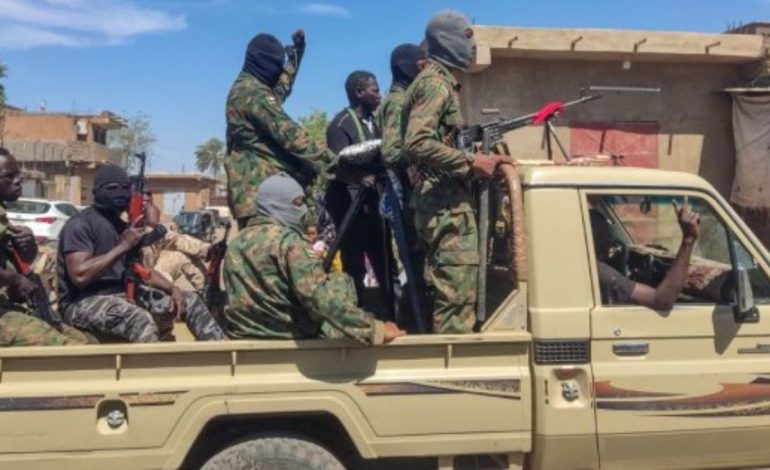
As the council deliberates, the people of Sudan endure a reality of mass killings, rapes, and ethnically motivated violence—atrocities the UN says amount to war crimes. The Prime Minister’s plan is a bold vision for recovery, but the urgent, deafening cry from the ground is for a silence of the guns, today. The world now watches to see if diplomacy can bridge the gap between a demand for surrender and a plea for a pause, before history’s judgment is written in ever-rising numbers of the dead and displaced.
Also Read:
Pakistani Army Chief Receives King Abdulaziz Medal from Saudi Arabia
KSrelief Begins Medical Care for a Young Girl from Gaza at King Hussein Cancer Center