
Saudi Envoy to Spain Holds Talks with UNWTO Chief on Boosting Tourism Cooperation
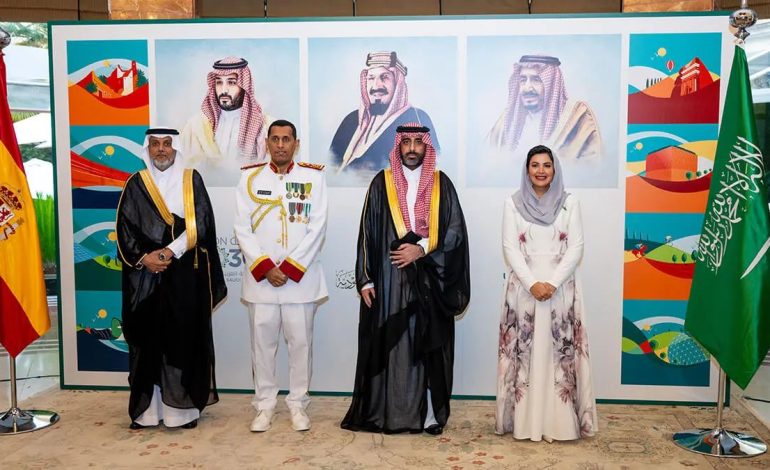

MADRID — In the midst of regional turmoil and global uncertainty, diplomacy continues on a quieter track. This week in Madrid, Saudi Arabia’s new ambassador to Spain made a point of stopping by the headquarters of the UN World Tourism Organization, signaling that even as conflicts rage, the Kingdom is thinking about the longer game.
Princess Haifa Al-Mogrin, who recently assumed her post in Madrid, paid a courtesy visit to Shaikha Nasser Al-Nowais, the secretary-general of the UNWTO. The meeting was described as an exchange of views on sustainable tourism development and ways to strengthen cooperation between the Kingdom and the global tourism body.
The choice of topics matters. Saudi Arabia has invested billions in transforming its economy beyond oil, and tourism sits at the center of that vision. The Red Sea projects, the ancient site of AlUla, the growing events calendar in Riyadh and Jeddah—all depend on drawing visitors from around the world. Cooperation with the UNWTO lends credibility and connects Saudi efforts to global standards and networks.
For the UNWTO, Saudi partnership offers resources and political support at a time when international organizations compete for relevance and funding. The Kingdom has become an increasingly active player in UN tourism circles, hosting events and pushing initiatives aligned with its domestic priorities.
The meeting in Madrid was brief and diplomatic. But it reflects a consistent pattern: even as headlines focus on missiles and ultimatums, the work of building economic relationships continues.
Another Welcome in Riyadh
Back in the Saudi capital, another piece of routine diplomacy played out. Abdulmajeed Al-Samary, the undersecretary of protocol at the Foreign Ministry, received the credentials of Somalia’s new ambassador, Mohamed Amin Sheikh Osman.
The ceremony formalizes diplomatic representation between the two countries. For Somalia, struggling with its own security challenges and seeking regional partners, ties with wealthy Gulf states offer economic and political support. For Saudi Arabia, Somalia represents a foothold in the Horn of Africa, a region of growing strategic importance near key shipping lanes.
These exchanges rarely make headlines. No press conferences. No dramatic announcements. But they form the bedrock of international relations—the steady, unglamorous work of maintaining connections between nations.
The Bigger Picture
Taken together, these two pieces of diplomatic news tell a story about Saudi Arabia’s approach to the world. At a moment when much of the Middle East is consumed by conflict, the Kingdom is quietly building relationships in Europe and Africa, laying groundwork for economic diversification and political partnerships.
The tourism meeting in Madrid speaks to economic transformation. The ambassador credentialing in Riyadh speaks to regional engagement. Both suggest that Saudi policymakers are thinking beyond the immediate crisis, positioning the Kingdom for whatever comes next.
In diplomacy, the work that happens away from the cameras often matters most. This week in Madrid and Riyadh, that work continued.
Also Read:
What the UK Shelter-in-Place Warning Means for Citizens in the Gulf
Iran Strikes Impact UAE: Defense Ministry Confirms Three Deaths and 58 Injuries