


Saudi Arabia Strengthens Wildlife Protection with Release of 140 Animals
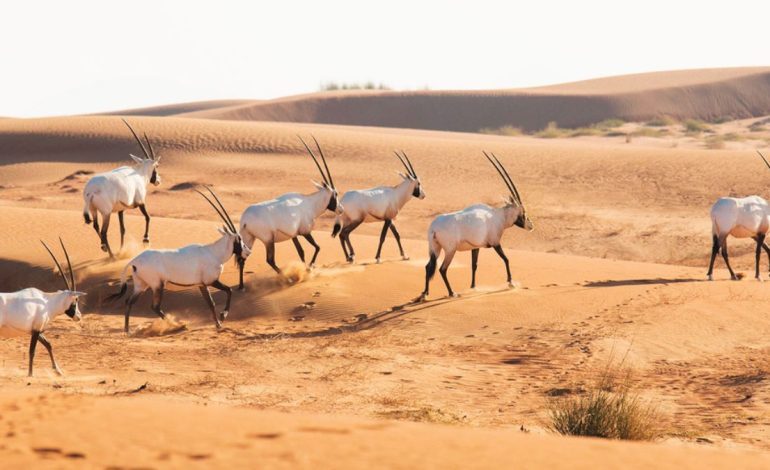

In a powerful step toward ecological restoration, Saudi Arabia’s National Center for Wildlife (NCW) has released 140 wild animals into the expansive King Salman bin Abdulaziz Royal Reserve. This carefully coordinated release is not a singular event but part of a sustained, strategic effort to rebuild native wildlife populations and restore the Kingdom’s natural heritage.
The group of animals given a new chance in their ancestral home included 30 Arabian oryx, 70 reem gazelles (also known as sand gazelles), and 40 houbara bustards. Each species plays a unique role in the desert ecosystem, and their return helps reweave the intricate web of life that sustains these arid landscapes.
A Strategy for Sustainability
This initiative goes beyond simple release. The core objective is to establish stable, self-sustaining populations that can thrive and breed independently in their natural habitats. By doing so, the NCW is actively enhancing biodiversity and improving the overall health and functionality of the ecosystem. Healthy wildlife populations contribute to seed dispersal, soil aeration, and natural grazing patterns, which in turn support the broader environment.
A Growing Legacy of Conservation
This release marks a significant milestone in a much larger journey. The NCW has now successfully reintroduced over 10,000 animals through its specialized breeding and release programs. This remarkable figure underscores a profound national commitment to wildlife development, effective management, and environmental governance.
The progress aligns seamlessly with the ambitious goals of the Saudi Green Initiative and Saudi Vision 2030, which prioritize environmental protection, sustainability, and quality of life. Each oryx, gazelle, and houbara returned to the wild represents a living symbol of this vision—a tangible investment in a greener, more resilient future for the Kingdom.
As these animals adapt to their new-old home, their presence signals hope. It is a testament to the power of dedicated science, careful planning, and a deep-seated resolve to safeguard the nation’s natural treasures for generations to come.
Also Read: