



Saudi Air Defenses Destroy 3 Ballistic Missiles and 4 Drones in Latest Security Operation
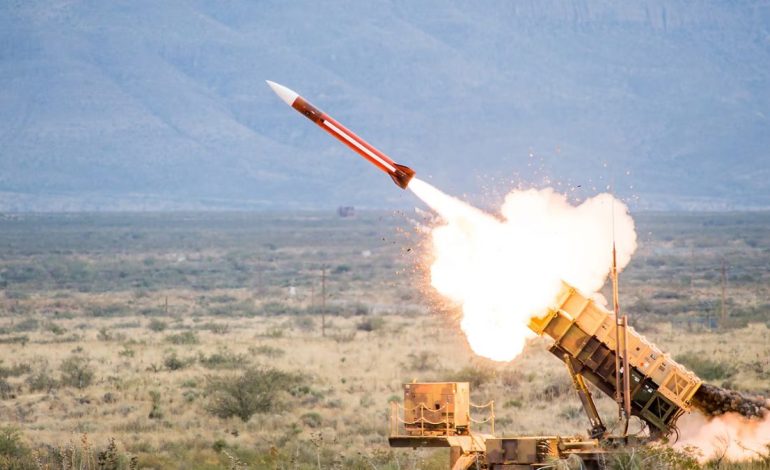

Saudi Arabia’s air defense systems demonstrated their operational capability early Monday morning, successfully intercepting and destroying three ballistic missiles and four unmanned drones that crossed into the Kingdom’s airspace shortly after midnight. The Ministry of Defense confirmed the successful operations through a series of statements, marking another chapter in the escalating pattern of aerial threats facing the nation.
A Coordinated Defense Effort
The overnight interception represented a multi-location operation spanning the breadth of the Kingdom. Three ballistic missiles targeting Prince Sultan Air Base in the Al-Kharj region were destroyed before reaching their intended targets. The air base, located in the central part of the country near Riyadh, has become a recurring focus of external missile strikes and remains among the most strategically significant military installations in the Kingdom.
The drone interceptions occurred across a wider geographic area, reflecting the dispersed nature of the threat. Two unmanned drones were successfully shot down in the northern sector of the national capital, Riyadh itself. A third drone aimed at the Shaybah oil field was destroyed in the Empty Quarter desert, one of the world’s most expansive and sparsely populated regions. The fourth drone was neutralized in the northern province of Al-Jouf, demonstrating that air defense operations extended far beyond the capital region.
An Emerging Pattern of Coordinated Strikes
These early morning interceptions fit within an increasingly recognizable pattern that has characterized recent weeks of heightened security tensions. Attacks appear to follow a deliberate timetable, commencing at midnight and sustaining through relentless waves that continue well into the following day. This methodical approach suggests a coordinated strategy rather than isolated incidents—a sustained campaign characterized by multiple attack vectors and careful timing.
The pattern indicates not merely opportunistic aggression but rather a calculated effort designed to test Saudi air defenses, stretch response capabilities, and potentially overwhelm protective systems through sheer volume and frequency of attacks. Each overnight wave represents a test of readiness, and each successful interception demonstrates the effectiveness of the Kingdom’s defensive infrastructure.
Historical Context: A Sustained Threat
Saudi Arabia’s air defense systems have faced repeated challenges in recent days. The Kingdom has successfully intercepted and destroyed numerous missiles and drones in waves of strikes preceding Monday’s operation. Prince Sultan Air Base has emerged as the most frequently targeted location, with the majority of ballistic missiles aimed specifically at this installation. The Shaybah oil field, located in the remote southeastern portion of the Kingdom, has similarly attracted repeated drone strikes.
This pattern of targeting reveals strategic intent. Prince Sultan Air Base represents critical military infrastructure, while Shaybah represents vital economic assets—specifically, petroleum production capabilities that contribute substantially to global energy markets. By targeting both military and economic objectives, the aggressor nation seeks to inflict both strategic and economic damage across multiple dimensions of Saudi national interests.
Civilian Casualties Cast Shadow Over Defense Success
While Monday’s interceptions proceeded without reported casualties, the operations must be understood within the broader context of ongoing attacks. Sunday’s incidents illustrate the tragic human cost that can accompany these security operations, even when air defenses perform effectively.
On Sunday, a projectile impacted a residential area in Al-Kharj governorate, the same region that houses Prince Sultan Air Base. The strike resulted in two fatalities and left twelve additional individuals injured. The victims were particularly vulnerable—they were not military personnel but rather civilian workers employed by a maintenance and cleaning company serving the base area.
The deceased were identified as nationals of India and Bangladesh, while all twelve injured individuals were Bangladeshi residents. These workers represent the growing international workforce that performs essential support functions across the Kingdom’s military and civilian infrastructure. Their presence in harm’s way underscores the reality that civilians, particularly migrant workers, face genuine danger when military facilities become targets for aerial attack.
The Civilian Cost of Conflict
The distinction between successful missile interception and tragedy illustrates a crucial element of modern aerial conflict: not all threats can be neutralized before causing harm. While Saudi air defenses successfully destroyed the three ballistic missiles targeting Prince Sultan Air Base, a projectile still reached a populated area, inflicting casualties among innocent civilians who had no role in the military or political decisions driving the conflict.
The deaths of two workers and injury of twelve others represent more than statistics—they reflect the real human consequences of regional escalation. These individuals were engaged in ordinary work, supporting the maintenance of military installations without being combatants themselves. Their deaths underscore that civilian populations, particularly those from developing nations working abroad for economic opportunity, face disproportionate risk when military installations become active targets.
Strategic Implications
The ongoing pattern of aerial attacks and air defense responses raises critical questions about the sustainability of the current situation. The Kingdom’s air defense systems have proven effective at their core mission—intercepting incoming threats before they reach their targets. However, the Sunday incident demonstrates that perfect defense is impossible, and civilian casualties will likely continue as long as attack campaigns persist.
From a strategic perspective, Saudi Arabia faces a difficult calculus. Defending against repeated waves of attacks requires sustained vigilance, continuous readiness, and the expenditure of defensive resources. Meanwhile, the attacker can determine timing, frequency, and scale of attacks, maintaining initiative while forcing the defender into a reactive posture. Over extended periods, such situations can become unsustainable.
A Nation Under Siege
The reality facing Saudi Arabia extends beyond Monday’s successful interceptions. The Kingdom confronts a sustained campaign of aerial strikes that has become routine rather than exceptional. The pattern of midnight attacks continuing throughout the day has become predictable enough that observers can identify the characteristic timing and tactics involved.
Each successful interception represents not a resolution but merely a tactical victory within an ongoing strategic challenge. The missiles and drones destroyed Monday were replaced by new threats Tuesday. The pattern suggests that Saudi Arabia must prepare for continued operations of this nature for an indefinite period, with air defenses remaining in constant readiness and civilian populations remaining at risk.
Looking Forward
Monday’s successful air defense operation demonstrated technical capability and operational readiness. However, the context of Sunday’s civilian casualties and the established pattern of continuing attacks suggests that technical success alone cannot resolve the underlying security crisis confronting the Kingdom.
Saudi Arabia has made clear that it will continue defending its airspace and populations with whatever means are necessary. The air defense operations will continue, and most incoming threats will be successfully neutralized. But the human cost of this ongoing conflict—as evidenced by Sunday’s deaths—demonstrates that successful air defense, while essential, cannot fully eliminate the dangers that escalating regional tensions create for civilian populations, particularly the vulnerable migrant workers who form an increasingly significant portion of the Kingdom’s workforce.
Also Read:
Rising Tensions in the Middle East: Arab League Calls Meeting After Iran Strikes
Iran Issues Apology to Neighboring Nations Following Regional Attacks