

The Role of Urban Planning Laws in Shaping East Jerusalem’s Future

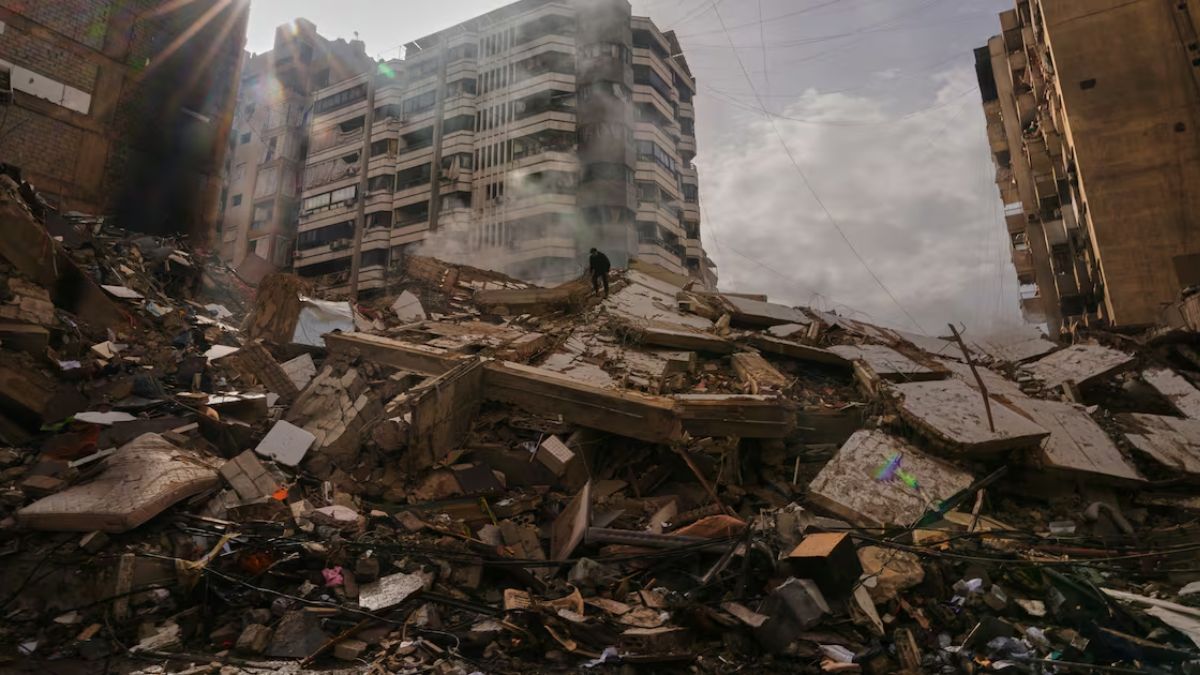
In the heart of Jerusalem, amid ancient stones and modern tensions, a different kind of battle is being waged. It is fought not with rockets, but with zoning maps, building permits, and bulldozers. The recent demolition of a Palestinian apartment building in the Wadi Qaddum neighborhood—leaving 90 people homeless—was not merely a punitive act. It was the stark, logical endpoint of a decades-long system of urban planning designed not to build a city for all its inhabitants, but to reshape its demographic future.
Last month, as Jewish communities worldwide celebrated Hanukkah, a festival commemorating liberation and reclaiming sacred space in this very city, Israeli forces were erasing a different kind of home. The timing was a painful paradox, underscoring a present-day reality: for the Palestinian residents of East Jerusalem, the state is not a liberator but an occupier wielding master plans and legal codes as its primary tools.
The Permit Trap: A System Designed to Fail
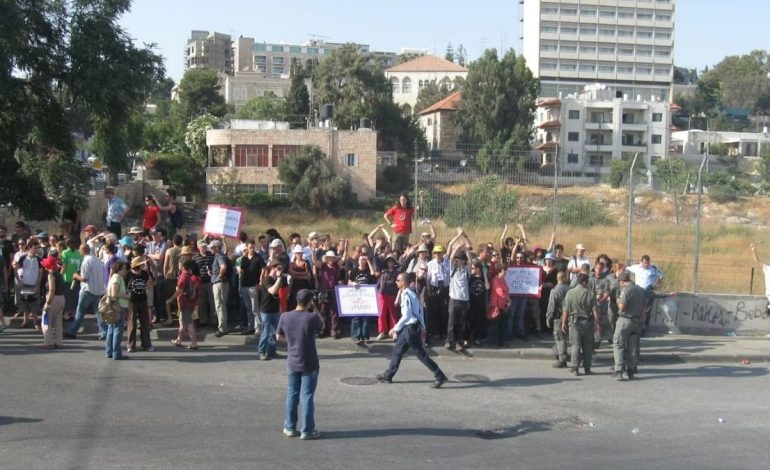
The official reason for the Wadi Qaddum demolition, like the 143 other Palestinian homes destroyed in East Jerusalem in 2025 alone, was the lack of a building permit. But human rights organizations like Bimkom – Planners for Planning Rights lay bare the cruel circular logic at play.
As architect Sari Kronish explains, the heart of the issue is “outright discrimination in urban planning policies.” For decades, Israeli authorities have systematically neglected to develop or approve adequate zoning plans for Palestinian neighborhoods. Only about 15% of East Jerusalem is designated for Palestinian residential development. Without an approved zoning plan, requesting a building permit is impossible. Palestinians are thus forced into a catch-22: build without a permit and risk demolition, or not build at all, leading to overcrowding and deterioration.
The process is further choked by land ownership regulations. Most land in East Jerusalem is not formally registered. While previously lenient protocols allowed some building, recent years have seen a stricter land registration process that halts planning altogether, turning legal uncertainty into a tool of control.
Demographics by Bulldozer
The outcome is not an accident of bureaucracy; it is a policy outcome. Amy Cohen of Ir Amim states plainly that since 1967, Israeli policy in East Jerusalem has been driven by a dual goal: maintaining a Jewish demographic majority and seizing control over land. “Deliberate housing deprivation” and “selective demolitions” are the mechanisms to achieve it.
The numbers bear this out. 2025 saw the highest total number of demolitions on record. At the same time, Israel approved 19 new settlements in the occupied West Bank the day before the Wadi Qaddum operation. The pattern is clear: a simultaneous campaign of displacement and replacement, accelerating while international attention is focused elsewhere.
The Shrinking Space for Restraint
The legal and political landscape enabling this has shifted dangerously. As lawyer Daniel Seidemann of Terrestrial Jerusalem notes, authority over demolitions now rests with the far-right National Security Minister, Itamar Ben-Gvir. The restrained, if cynical, political calculations of earlier governments, sensitive to US and European pressure, have given way to a more overt and aggressive drive.
The international community, overwhelmed by global crises and the war in Gaza, appears to have diminished bandwidth and will to intervene effectively. The result is a growing sense of impunity.
A Tinderbox on a Fault Line
The consequences of this engineered urban crisis extend far beyond housing. Seidemann warns that Jerusalem is a “tinderbox,” with the highly sensitive issue of access to the Al-Aqsa Mosque compound looming. The pressures of home demolitions, settlement expansion, and settler violence create a volatile mix. What begins with a zoning plan can end in a city, or a region, in flames. “What starts in Jerusalem,” Seidemann cautions, “doesn’t stay in Jerusalem.”
The Imperative for a Just Plan
The solution, as outlined by planners like Kronish, is technically simple but politically monumental: approve equitable zoning plans for Palestinian neighborhoods, halt the discriminatory land registration process, and end the demolition policy. It would mean recognizing that the 40% Palestinian population of Jerusalem has an equal right to housing, shelter, and a future in the city.
Currently, the blueprint is one of displacement. Replacing it with a plan for shared, just urban coexistence is the only way to build a stable future for all of Jerusalem’s people. Without it, the laws of planning will continue to serve as the architecture of conflict, drafting a future of endless confrontation on a map of unequal lines.
Also Read:
Qatar Partners with US Alliance to Secure Semiconductor and Critical Minerals
Senegal and Kuwait Strengthen Ties Ahead of Abu Dhabi Sustainability Week