


Brent Oil Prices Surge: Record Monthly Leap Amid Rising Gulf Tensions

Oil prices extended gains on Monday, with Brent crude heading for a record monthly rise. The surge follows Yemeni Houthis launching their first attacks on Israel, widening the US Israel conflict to include Iran. Brent crude futures jumped significantly, and analysts warn that markets are bracing for sharp escalation in military hostilities. The implications for global energy markets, shipping routes, and the world economy are profound.
Oil Markets in Dramatic Rally
Brent crude futures jumped by 2.42 dollars, or 2.2 percent, to 114.99 a barrel by 2:16 p.m. Saudi time on Monday. This came after the market settled 4.2 percent higher on Friday. These are substantial single day gains that reflect market anxiety about supply disruptions and geopolitical risks.
US West Texas Intermediate was up 1.72 dollars, or 1.7 percent, at 101.36 after a 5.5 percent gain in the previous session. The strength in both major oil benchmarks indicates broad based concern about energy markets globally.
The monthly gains are historic. Brent has soared by about 59 percent this month, the steepest monthly jump in available data going back to 1988. This exceeds the gains made during the 1990 Gulf War. US crude has climbed by 51 percent for its biggest monthly gain since May 2020.
These are not normal market movements. They reflect extraordinary concern about global oil supply and geopolitical stability.
The Geopolitical Trigger
The Houthi attacks on Israel represent a significant escalation. This is the first time the Yemeni group has launched attacks on Israel since the current conflict began. The Israeli military said on Monday that Iran launched multiple waves of missiles at Israel and an attack had also been launched from Yemen for only the second time since the war began.
The conflict originally launched on February 28 with US and Israeli strikes on Iran. It has since spread across the Middle East, raising concern about shipping lanes around the Arabian Peninsula and the Red Sea. The situation is no longer concentrated in one area but extends across multiple critical regions.
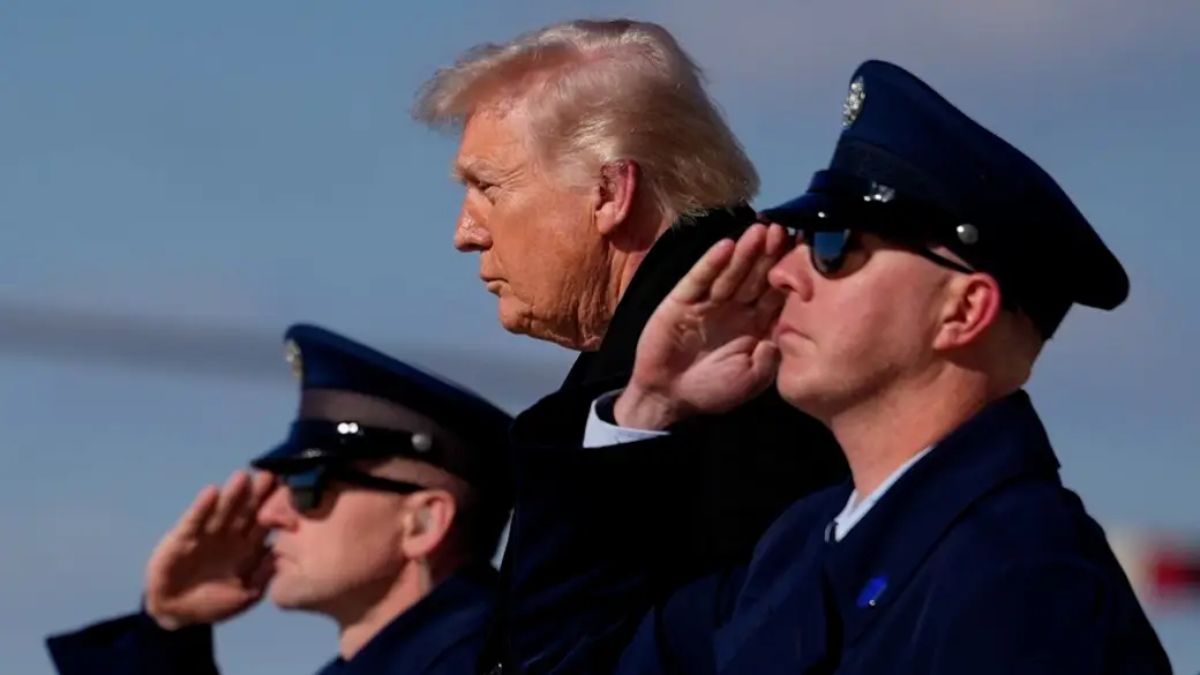
The Israeli military said on Monday that it was attacking the Iranian government’s infrastructure throughout Tehran. However, US President Donald Trump said that the US and Iran have been meeting directly and indirectly and that Iran’s new leaders have been very reasonable. Trump also said he would pause attacks on Iran’s energy network until April 6.
These mixed signals from US leadership have created uncertainty in markets, with Trump’s promises of de escalation having little reassuring effect.
Supply Concerns Driving the Market
The huge price gains have been propelled by Iran’s effective closure of the Strait of Hormuz. This waterway is a conduit for a fifth of the world’s oil and gas supplies. When this critical chokepoint is threatened, global energy markets react with alarm.
The conflict has also extended into the Red Sea and the Bab el Mandeb. These are some of the world’s most crucial chokepoints for crude and refined product flows. JP Morgan analysts said in a note that the conflict is no longer concentrated in the Arabian Gulf but now extends into multiple critical shipping regions.
Saudi Arabia has already begun redirecting crude exports from the Strait of Hormuz to the Yanbu port in the Red Sea. Data from analytics firm Kpler showed that Saudi crude exports redirected to Yanbu reached 4.658 million barrels per day last week. However, even this alternative export route is now threatened by the expanding conflict.
If exports from Yanbu were disrupted, Saudi oil would need to pivot toward Egypt’s Suez Mediterranean pipeline to the Mediterranean. JP Morgan analysts noted this vulnerability. But if multiple export routes are threatened simultaneously, Saudi Arabia would face severe constraints on its ability to export oil.
The threat to multiple oil export routes has markets genuinely concerned about global energy supply.
Market Skepticism About Peace
Vandana Hari of oil market analysis provider Vanda Insights said that the market has all but discounted the prospect of a negotiated end to the war. Trump’s claims of ongoing direct and indirect talks with Iran have not reassured markets. Instead, markets are bracing for a sharp escalation in military hostilities.
SEB Research noted that Trump’s extended deadline of April 6, when the US could potentially resume attacks on Iranian energy infrastructure, has had no reassuring effect. The market is asking for concrete signs of de escalation, not just rhetoric. Words have not moved oil markets. Only actual de escalation will.
More US troops arriving in the Middle East and the Israeli military attacking Iranian infrastructure throughout Tehran suggest that the situation is deteriorating, not improving. Analysts see little reason to expect quick resolution.
Markets are pricing in an extended period of elevated tension and supply disruption risk.
Shipping Risks Expanding
Attacks in the region escalated over the weekend and damaged Oman’s Salalah terminal despite efforts to start peace talks. This shows that even efforts at negotiation have not halted military action. Critical infrastructure remains under threat.
JP Morgan analysts highlighted that the conflict has spread to multiple critical chokepoints. The Arabian Gulf. The Strait of Hormuz. The Red Sea. The Bab el Mandeb. Egypt’s Suez Canal. If threats extend to the Suez Canal, crude flows to Europe would be severely disrupted.
Pakistan has announced plans to host peace talks. This diplomatic effort suggests recognition that the current trajectory is unsustainable. However, the expansion of attacks despite ongoing peace talk efforts suggests these diplomatic efforts face significant obstacles.
Each new attack and each damaged piece of critical infrastructure heightens market anxiety about oil supply security.
Global Economic Implications
Oil price spikes of this magnitude have significant economic implications. Higher energy costs feed into inflation. They reduce consumer purchasing power. They increase business costs. They slow economic growth.
Countries that import oil face the greatest pressure. Developing nations are particularly vulnerable. They have fewer resources to absorb the impact of higher energy prices. Electricity prices rise. Transportation costs increase. Food prices climb as supply chains become more expensive.
Even oil exporting nations face challenges. While higher prices increase revenue, they also incentivize market shifts toward renewable energy and away from oil. Long term demand concerns offset short term revenue gains.
Central banks worldwide will need to assess whether this price shock will push inflation higher. If so, they may feel pressure to raise interest rates. Higher rates would slow economic growth, potentially pushing economies toward recession.
The oil market shock could have cascading effects throughout the global economy.
What Happens Next
Markets will watch for signs of de escalation or further escalation. Trump’s April 6 deadline will be critical. If the US resumes attacks on Iranian energy infrastructure after that date, oil prices could spike even higher. If instead there are genuine negotiations and de escalation, prices might decline.
The efficacy of Pakistan’s peace talks will be crucial. If diplomatic efforts gain traction, markets might stabilize. If they fail, military tensions will likely increase further.
Saudi Arabia’s ability to maintain and redirect its oil exports will also matter. If Riyadh can successfully diversify its export routes away from threatened chokepoints, global supply could be more secure. But if multiple routes become threatened simultaneously, supply disruptions become more likely.
Analysts will be watching oil production data, shipping traffic patterns, and reports of new attacks or negotiations. Each piece of information could move markets significantly.
The next few weeks and months will be critical in determining whether the Middle East moves toward greater stability or further escalation.
Oil markets reflect genuine physical supply concerns, not just speculation. The threat to multiple critical shipping routes and production facilities means that these high prices reflect real risks to global energy supply. Until those risks subside, oil markets will likely remain volatile and elevated.
Also Read:
Discover the 5 Best Places to Enjoy Your Retirement in the USA in 2026
Exploring The Donald Trump Lifestyle: Branding Power and Billionaire Success