

Ramadan in Conflict Zones: Gaza’s Struggle to Find Festive Spirit

As the Muslim holy month of Ramadan begins Wednesday, Palestinians in Gaza face a profound contradiction: a season of joy and spiritual reflection set against the backdrop of war, loss, and devastation. The fragile ceasefire that has held since October offers a respite from the heaviest fighting, but for many, the wounds of 15 months of conflict run too deep for celebration.
“There is no joy after we lost our family and loved ones,” said Fedaa Ayyad, a resident of Gaza City. “Even if we try to cope with the situation, we can’t truly feel it in our hearts. I am one of those who cannot feel the atmosphere of Ramadan.”
Ramadan’s Meaning
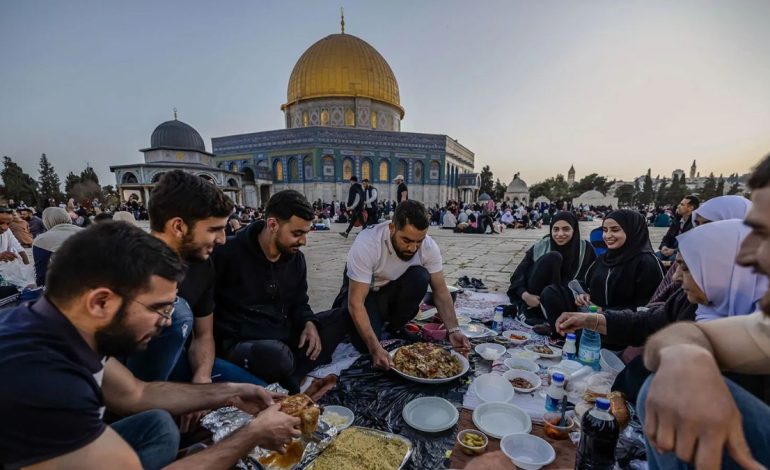
During Ramadan, observant Muslims fast daily from dawn to sunset. In normal times, the month brings families and friends together for joyous gatherings, increased worship, religious reflection, and charity. The streets are decorated with lights. Children stay up late. The rhythm of life shifts toward community and connection.
Circumstances in Gaza are anything but normal.
Israel’s military offensive has killed more than 72,000 Palestinians, according to Gaza’s Health Ministry, and caused widespread destruction. Most of the territory’s residents have been displaced, many multiple times. The offensive was launched after Hamas-led militants killed some 1,200 people, mostly civilians, and took 251 hostages in their October 7, 2023 attack.
Economic Woes Compound Grief
As Gaza residents visited markets this week preparing for Ramadan, economic hardship added to the burden of loss.
“There is no cash among the people. There is no work,” said Waleed Zaqzouq, another Gaza City resident. “It’s true that it is Ramadan, but Ramadan requires money.” He appealed to merchants to consider people’s financial struggles.
Before the war, Zaqzouq recalled, “people lived a dignified life. The situation has completely changed in the war, meaning people have been devastated and worn down.”
The October 10 ceasefire, brokered by the United States, halted the worst of the fighting, but it has not brought peace. Israeli forces have carried out repeated airstrikes and frequently fire on Palestinians near military-held zones. More than 600 Palestinians have been killed since the ceasefire took effect, according to Gaza health officials.
Militants have carried out shooting attacks on Israeli troops. Four Israeli soldiers have been killed. The cycle of violence continues.
Winter’s Toll
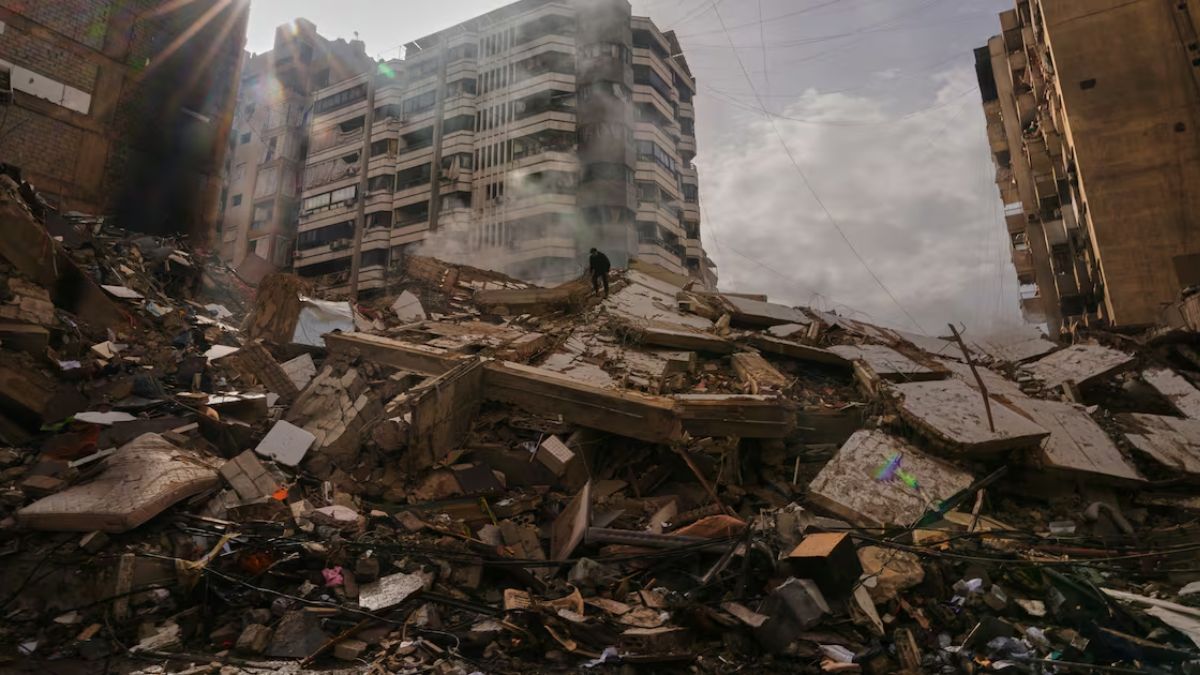
Gaza’s winter has highlighted the grim conditions faced by displaced residents. Severe cold has caused child deaths. Torrential rain has flooded displacement camps and collapsed already badly damaged buildings. The basic infrastructure of survival—shelter, warmth, safety—remains out of reach for hundreds of thousands.
“Much has changed from this Ramadan to Ramadan before the war,” said Raed Koheel, who lives in Gaza City. “In the past, the atmosphere was more delightful. The streets were lit up with decorations. All streets had decorations. Our children were happy.”
Glimmers of Light
Yet amid the ruins, some are working to preserve something of Ramadan’s spirit. In Khan Younis, calligrapher and artist Hani Dahman dipped his brush in paint and wrote “Welcome, Ramadan” in Arabic on a wall, surrounded by crumbled buildings. Children watched as the words took shape.
“We are here in Khan Younis camp, trying to bring happiness to the hearts of children, women, men and entire families,” Dahman said. “We are sending a message to the world that we are people who seek life.”
Nearby, strands of Ramadan decorations were hung among the rubble. Mohammed Taniri watched the effort unfold.
“When they provide such beautiful, simple decorations, it brings joy to the children,” he said. “Despite all the hardships, they are trying to create a beautiful atmosphere.”
A Fragile Holy Month
For Palestinians in Gaza, Ramadan this year is measured in contrasts: fasting amid food scarcity, prayer amid destruction, family gatherings amid displacement. The decorations that appear in some neighborhoods stand against the ruins that surround them. The children who smile at calligraphy have known only war for most of their young lives.
The ceasefire holds, but barely. The needs are immense, but resources are scarce. The desire for normalcy is strong, but grief is stronger.
As the first fast begins, millions of Muslims around the world will turn their prayers toward Gaza. And in Gaza itself, families will gather what little they have, break bread together, and try—against all odds—to find something of Ramadan’s spirit in a place where joy has become a form of resistance.
Also Read:
Authorities Respond After Up to 15-Year Sentences in Synagogue Attack Case
Al-Aqsa Under Tight Watch: Ramadan Begins Amid Security Restrictions