

Discover the Beauty of Qatif First Plant and Flower Festival
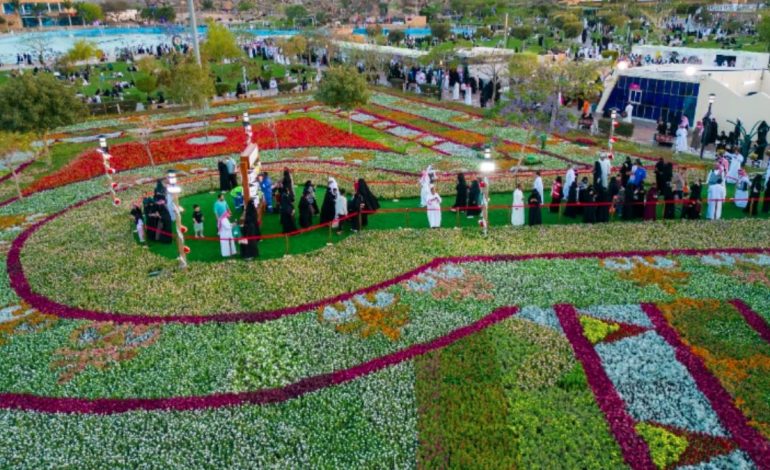

The Qatif governorate is hosting the inaugural Plants and Flowers Festival, a vibrant event promoting green living, community engagement, and sustainable practices. Running until April 4, this celebration brings together government agencies, private sector entities, and families to explore the intersection of environmental sustainability, tourism, and agricultural development. The festival represents more than just a celebration of flowers and plants. It embodies a vision for how communities can transform urban spaces, support local economies, and build a more sustainable future.
A Festival Rooted in Vision
The inaugural Plants and Flowers Festival opened on Tuesday with enthusiasm and community participation. The event represents a significant initiative by the Qatif governorate to promote green living and environmental consciousness among residents.
More than 60 booths showcase everything from traditional gardening to modern urban farming techniques. An art studio for children provides creative engagement with nature. An interactive theater offers entertainment and education. Competitions for young participants inspire the next generation to embrace green living.
The festival runs until April 4, providing nearly two weeks of opportunities for residents and visitors to engage with plants, flowers, and sustainable living practices.
This inaugural event demonstrates Qatif’s commitment to transforming how communities interact with the environment.
Promoting Green Living and Home Gardening
Central to the festival’s mission is encouraging residents to cultivate home gardens. The festival inspires families to use available spaces for planting flowers and greenery. Whether balconies, courtyards, or rooftop areas, urban residents are discovering how to transform their spaces into green oases.
Home gardening offers multiple benefits. It enhances the aesthetic appeal of urban neighborhoods. It provides residents with fresh produce. It creates a sense of accomplishment and connection to nature. It teaches children about plant growth and environmental stewardship.
The festival addresses a fundamental challenge in urban environments: how to maintain green spaces and nature connection when land is limited. By encouraging individuals to create gardens in their homes, the festival multiplies the impact of green living throughout Qatif’s urban landscape.
Educational sessions guide residents on plant selection, soil preparation, watering techniques, and pest management. Specialists share knowledge about which plants thrive in the local climate and what care they require.
The festival empowers residents to become gardeners and environmental stewards in their own homes.
Environmental Sustainability at the Center
The festival places environmental sustainability at its core. Visitors learn about sustainable irrigation systems and modern techniques that maximize water efficiency. In a region where water conservation is critical, these educational opportunities have practical importance.
Urban farming demonstrations show how to grow food using minimal water and space. Techniques such as drip irrigation, soil moisture monitoring, and plant selection for water efficiency are highlighted. Composting methods that reduce waste while creating nutrient rich soil are explained.
The focus on efficient use of natural resources directly contributes to food security. Home gardens supplement purchased food supplies. Local agricultural production reduces dependence on imports. Community awareness about sustainable practices creates lasting behavioral change.
Environmental sustainability in the festival is not abstract or theoretical. It is practical, achievable, and directly applicable to residents’ daily lives. People learn techniques they can implement immediately in their own homes and neighborhoods.
Sustainability becomes a lived practice rather than a distant ideal.
Engaging the Agricultural Sector
The festival offers direct engagement with the agricultural sector through educational booths and guidance sessions led by specialists. Farmers, agricultural engineers, and horticulturists share their expertise with festival visitors.
This direct interaction strengthens the connection between urban residents and agricultural professionals. People understand where their food comes from. They learn about the challenges farmers face. They appreciate the expertise required for successful cultivation.
For agricultural professionals, the festival provides opportunities to showcase innovations and connect with potential customers or partners. Companies selling seeds, tools, irrigation equipment, and fertilizers display their products. Young people interested in agricultural careers meet professionals in the field.
This engagement supports the broader vision of diversifying the economy and building connections between urban consumers and rural producers.
The agricultural sector is positioned as essential to community wellbeing and economic resilience.
Boosting Tourism and Recreation
The festival aims to support tourism and recreation in the Qatif governorate. A two week event attracting hundreds or thousands of visitors provides significant economic benefits to local businesses. Hotels, restaurants, retail shops, and transportation services all benefit from increased visitor activity.
The festival establishes Qatif as a destination for visitors interested in plants, flowers, gardening, and sustainable living. Repeat visitors are likely as people return for different activities or bring friends and family. The event builds the governorate’s reputation and brand identity.
Beyond the festival itself, the promotion of green spaces and environmental sustainability makes Qatif more attractive as a place to live and visit. Beautiful parks and gardens enhance the quality of life for residents and appeal to tourists seeking destinations with natural beauty.
Agricultural and ecotourism are emphasized as growth areas. Visitors can engage with local farmers, learn about traditional and modern agricultural practices, and experience rural landscapes. This form of tourism provides income for agricultural communities while educating urban visitors.
The festival connects tourism development with environmental enhancement and community engagement.
Family Engagement and Cottage Industries
The festival highlights participation by families involved in cottage industries. These small home based businesses produce flowers, plants, seedlings, gardening supplies, and related products. The festival provides a platform to showcase and sell their products.
Cottage industries represent entrepreneurship at the grassroots level. Families generate income by pursuing their interests and expertise. The festival supports these entrepreneurs by providing market access and visibility.
The art studio for children and interactive theater represent efforts to engage families as complete units. Children enjoy activities while parents explore horticultural information. Entire family groups participate in competitions.
This family centered approach builds intergenerational interest in plants and gardening. Children who grow up with gardening as a family activity are likely to continue the practice as adults and teach their own children.
The festival weaves together family engagement, entrepreneurship, and intergenerational learning.
Government and Private Sector Collaboration
The festival opened with participation of government agencies and private sector entities. This collaboration demonstrates the integrated approach to event planning and execution.
Government agencies provide organizational support, venue access, and promotion. Private companies contribute expertise, products, and financial support. Together they create an event that neither could organize as effectively alone.
This model of public private partnership is increasingly common in event management and community development. It leverages resources and expertise from multiple sectors to achieve shared objectives.
The collaboration also demonstrates how business interests and community wellbeing can align. Companies benefit from market access and brand building. The community benefits from a high quality event that advances their interests.
Public private partnership enables community initiatives that serve both business and social goals.
Educational Opportunity and Knowledge Sharing
Beyond flowers and plants, the festival is fundamentally an educational event. Visitors learn about plant science, sustainable practices, water conservation, and food production. They gain practical knowledge applicable to their own gardens and homes.
Specialists conducting guidance sessions bring years of expertise. They answer questions about specific plant varieties, soil conditions, pest management, and design. Knowledge that might take years to acquire through trial and error is shared immediately.
Modern urban farming techniques showcase innovations in food production. Visitors see vertical gardens, hydroponic systems, and other space saving methods. They understand how professional growers produce food efficiently.
Educational content is delivered through multiple formats. Booth displays provide visual information. Demonstrations show techniques in action. Interactive sessions allow questions and discussion. This multi format approach ensures people with different learning preferences gain knowledge.
The festival becomes a temporary educational institution focused on plants, sustainability, and community engagement.
Long Term Impact and Vision
While the festival runs until April 4, its impact will extend far beyond those dates. Residents who plant gardens will maintain them. Children who participate in activities will remember the experience. Entrepreneurs will continue their cottage industries. Connections made at the festival will develop into ongoing relationships.
If this inaugural festival is successful, expectations are high for future events. Annual plants and flowers festivals could become anticipated community traditions. They could grow to attract visitors from across the region.
The festival models a vision for how communities can support environmental sustainability, economic development, and quality of life simultaneously. This integrated approach is increasingly recognized as essential for building resilient and livable cities.
Qatif’s Plants and Flowers Festival demonstrates commitment to this vision at the local level.
The inaugural event establishes momentum for continued focus on green living and community wellbeing.
The Qatif Plants and Flowers Festival is more than an event. It is a celebration of environmental commitment, community engagement, and entrepreneurial spirit. It shows how a focus on the natural world can bring people together, support local businesses, and create a more sustainable future. For residents discovering home gardening, for agricultural professionals sharing expertise, and for families spending time together outdoors, the festival offers something meaningful and lasting.
Also Read:
Music Meets Mission: A. R. Rahman Interacts with Syed Musharraf