



Qatar Blames Iran for LNG Hub Attack as UAE Halts Gas Operations
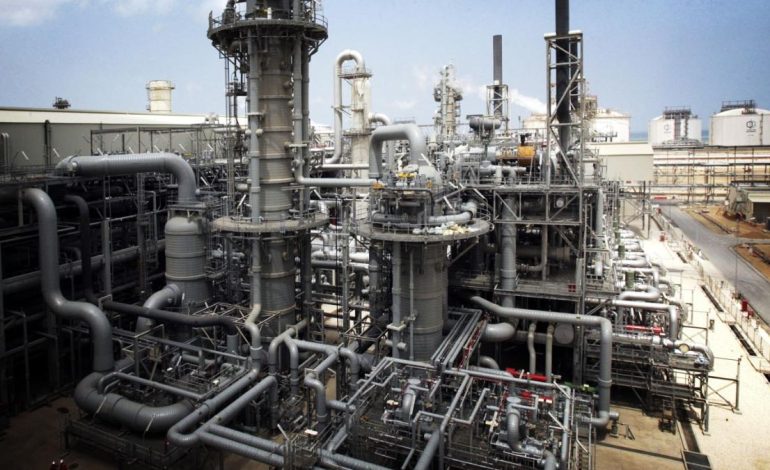

DOHA – Qatar’s state-owned QatarEnergy reported extensive damage to Ras Laffan, the site of the nation’s core liquefied natural gas processing operations, after Iranian missile attacks Wednesday. The UAE simultaneously shut down gas facilities Thursday following interceptions of incoming missiles.
QatarEnergy said emergency response teams deployed immediately to contain fires caused by the strikes. No casualties were reported, and all personnel were accounted for. The Pearl gas-to-liquids facility, operated in partnership with Shell, suffered particularly severe damage. Additional LNG facilities were struck in early Thursday morning hours, causing sizeable fires and further destruction.
Ras Laffan, located 80 kilometers north of Doha, is home to several international energy companies including Shell, the world’s largest liquefied natural gas trader. Shell operates a 7.8 million-metric-ton-a-year LNG facility with a 30 percent stake and holds a 100 percent interest in the Pearl facility, which processes up to 1.6 billion cubic feet daily of gas.
Qatar produces 77 million metric tons of liquefied natural gas annually, making it the world’s second-largest exporter of the fuel critical to global power generation and industrial operations. The Ras Laffan refinery primarily converts condensate into refined products including aviation fuel.
Qatar’s foreign ministry ordered Iran’s security and military attaches to leave the country within 24 hours, declaring them “persona non grata.” The ministry condemned the attack as a “direct threat” to national security, accusing Iran of taking an “irresponsible approach.”
President Trump threatened severe retaliation. On social media, he warned Iran not to attack Qatari facilities again and threatened to “massively blow up the entirety of the South Pars Gas Field” if it did. Trump stated Israel had conducted the South Pars attack without informing Qatar or the United States.
In the UAE, authorities reported incidents at the Habshan gas facilities and Bab oil field caused by falling debris from intercepted missiles. Gas operations were shut down as a precaution. The Habshan complex, operated by Abu Dhabi state oil giant ADNOC, ranks among the world’s largest gas processing facilities with capacity to handle 6.1 billion standard cubic feet daily across five plants.
Analysts warn the attacks could cause lasting global gas shortages, with geopolitical tensions now directly impacting critical energy infrastructure supplying the world market.
Also Read:
Iran Intelligence Minister Reportedly Killed in Israeli Overnight Strike
Top Reasons Jeddah Historic District Gets 3M Visitors in Record Time