

Pope Leo’s First Christmas Message Highlights Suffering in Gaza
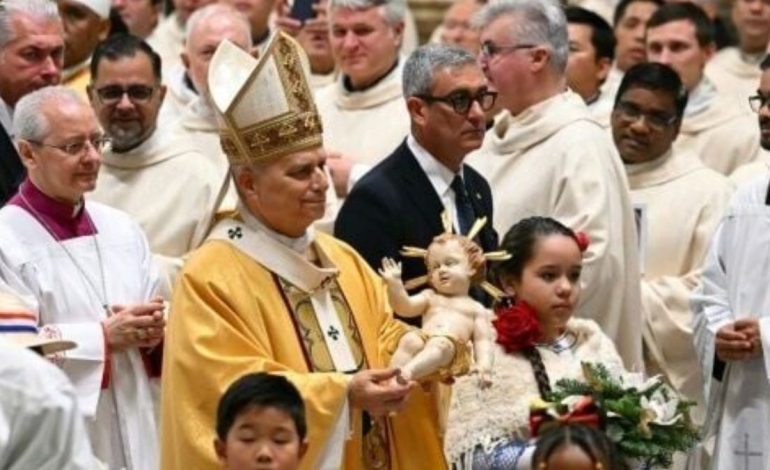

In a solemn and direct appeal that broke from his normally quiet diplomatic tone, Pope Leo used his first Christmas sermon to highlight the acute suffering of Palestinians in Gaza, weaving a powerful connection between the biblical Nativity and modern humanitarian crisis.
Speaking to thousands gathered in St. Peter’s Basilica on Thursday, the first US-born pope reflected on the story of Jesus born in a stable, noting that God had “pitched his fragile tent” among humanity.
“How, then, can we not think of the tents in Gaza, exposed for weeks to rain, wind and cold?” he asked, drawing a stark parallel that turned the traditional spiritual service into a poignant commentary on current events. This marked an unusually political reference for Leo, whose style has been more reserved than his predecessor, the late Pope Francis.
A Broader Lament for the Vulnerable
The Pope’s message extended beyond Gaza. In his Christmas blessing, he also lamented the plight of migrants and refugees “who traverse the American continent,” reaffirming care for immigrants as a key theme of his early papacy. On Christmas Eve, he had framed this imperative in spiritual terms, stating that refusing to help the poor and strangers was tantamount to rejecting God.
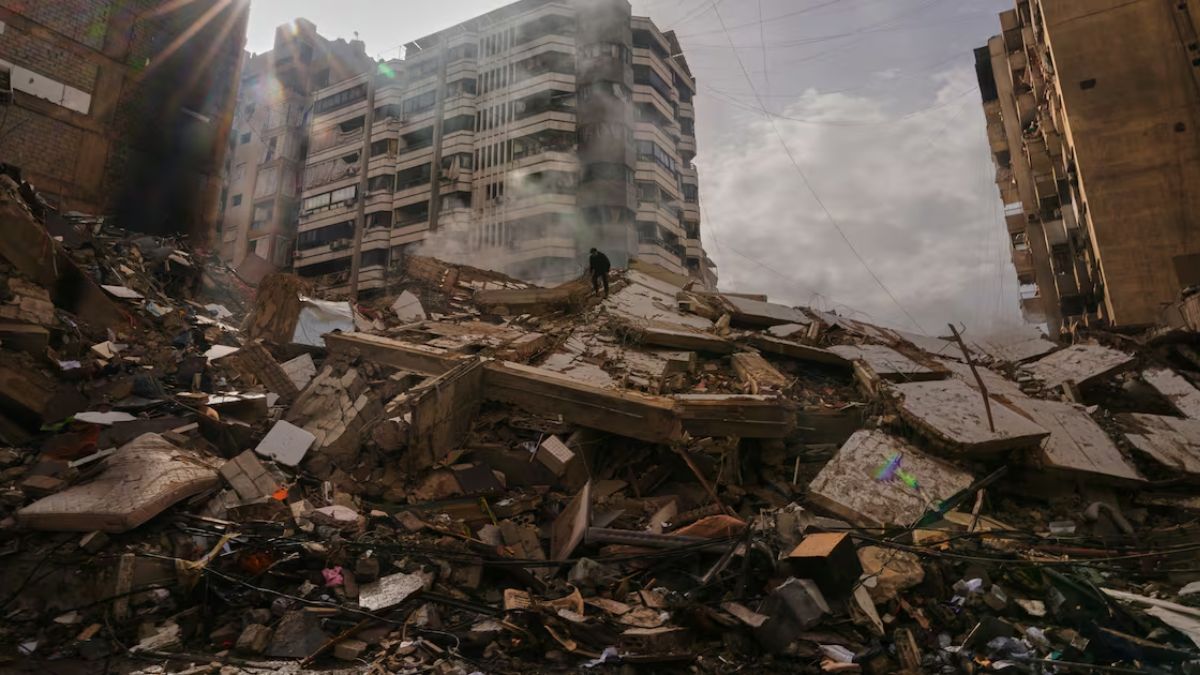
His sermon returned repeatedly to the fragility caused by conflict. “Fragile is the flesh of defenseless populations, tried by so many wars, ongoing or concluded, leaving behind rubble and open wounds,” Leo said. He also directed his words to the young, stating, “Fragile are the minds and lives of young people forced to take up arms, who on the front lines feel the senselessness of what is asked of them and the falsehoods that fill the pompous speeches of those who send them to their deaths.”
A Consistent Stance on Palestine
This focus on Gaza is not isolated. Pope Leo has lamented conditions for Palestinians several times recently. Last month, he told journalists that any lasting solution to the Israeli-Palestinian conflict must include a Palestinian state. His Christmas message comes as humanitarian agencies warn that far too little aid is reaching Gaza, where nearly the entire population remains homeless following the intense hostilities that began after the October 2023 attacks and persisted until a ceasefire this past October.
A Parallel Call from Canterbury
Across Europe, another church leader used the Christmas pulpit to address a divisive issue. Sarah Mullally, the incoming Archbishop of Canterbury set to become the first woman to lead the Church of England next month, warned in her Christmas sermon at St. Paul’s Cathedral that national conversations on immigration were dividing British society.
“Our national conversations about immigration continue to divide us, when our common humanity should unite us,” said Mullally, who succeeds Justin Welby. She framed Christian joy as “an act of resistance,” a force that “does not minimize suffering but meets it with courage.”
Her message touches a raw nerve in UK politics, where Prime Minister Keir Starmer has vowed to tackle small boat crossings and the anti-immigration Reform party is gaining ground—a trend mirroring the rise of far-right parties across Europe. Mullally assumes leadership as the Church of England grapples with its own crises, including ongoing investigations into historical sex abuse cover-ups and a specific complaint regarding her handling of a past allegation.
A Season of Reflection and Challenge
Together, these messages from the world’s pulpits reframed Christmas from a story of ancient comfort to a contemporary challenge. Pope Leo, in his historic first Christmas, chose not to retreat into abstraction but to directly confront the “rubble and open wounds” of war, insisting that the spirit of Christmas must be found amidst the tents of the displaced and the plight of the vulnerable. It was a clear signal that his papacy, while quieter in tone, intends to speak clearly on matters of human suffering.
Also Read:
Why North Korean Prisoners of War in Ukraine Want to Move South
US Visa Ban on Ex-EU Commissioner Breton Draws Strong Reaction from France