


New Aviation Update: Oman’s Muscat Airport Limits Private Jet Flights
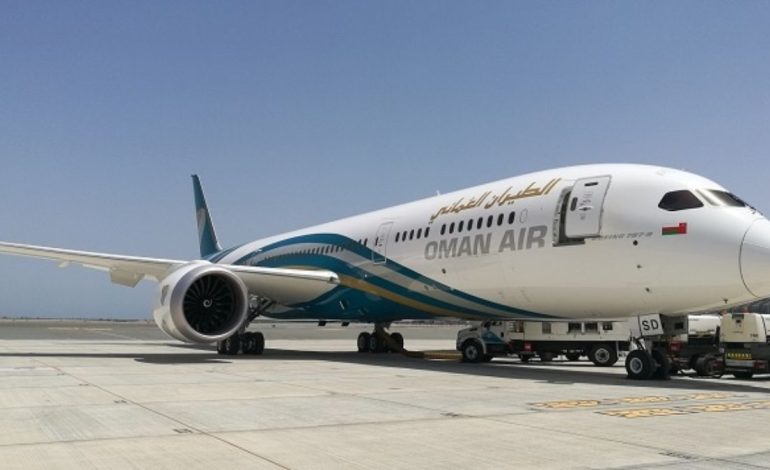

Oman’s Muscat International Airport has restricted private jet operators from using the facility for additional flights. The airport is prioritizing government and commercial flights as airspace closures continue across the Middle East.
New Restrictions in Place
The airport told charter plane operators Friday to avoid non-essential flights. “Flight movements are restricted to approved seasonal scheduled services only,” airport authorities stated in an email seen by Reuters.
Airport officials said the measure was necessary to manage congestion and maintain acceptable capacity levels. The restrictions apply to all non-scheduled commercial flights during the current crisis period.
Limited Exceptions Granted
The airport will only consider embassy-sponsored repatriation flights during this period. Such flights require prior approval through diplomatic channels and cannot involve commercial seat sales.
All existing slots falling outside the approved seasonal schedule must be canceled. Airlines and operators are prohibited from submitting new non-approved flight requests until further notice.
Regional Travel Crisis Deepens
The US-Israel war against Iran has triggered widespread flight cancellations across the Middle East. Thousands of passengers remain stranded as most regional airspace stays closed due to missile and drone concerns.
Many travelers have turned to private jets as commercial services struggle with evacuations. Charter flights face mounting pressure as airlines work to move tens of thousands of travelers out of the region.
Desperation Drives High Prices
Travelers are paying premium prices to escape the Middle East through limited available routes. Some passengers are heading overland to quieter airport hubs to find available flights.
Military fighter jets have occasionally escorted passenger aircraft as a security measure. The combination of restricted airspace and limited flights has created a bottleneck for regional travel.
The Broader Impact
Muscat’s decision reflects the challenge facing airports across the region. With extensive airspace closures, managing limited capacity becomes critical for maintaining essential travel.
The restrictions may further strain evacuation efforts for stranded passengers. Regional governments continue scrambling to support those attempting to leave amid ongoing security concerns.
Also Read:
Why Vladimir Putin Is Calling for an Immediate Halt to the Iran Conflict