
Old Fault Lines and New Challenges: What Awaits Lebanon in 2026?

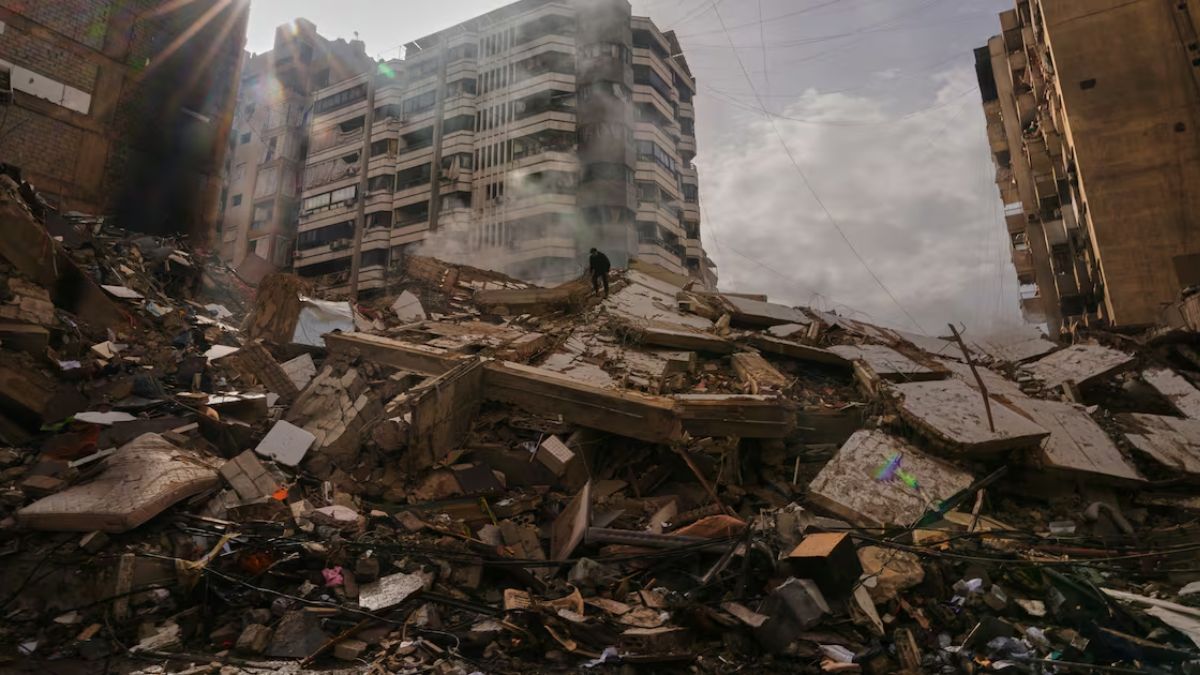
As the calendar turns to 2026, Lebanon stands not at a crossroads, but on a precipice. The cautious, fragile momentum of the past year—born from the political breakthrough that finally installed President Joseph Aoun and Prime Minister Nawaf Salam—now meets its ultimate test. The coming twelve months will determine whether the foundations of a functional state can be laid, or if the nation will slide back into the paralysis of its recent past.
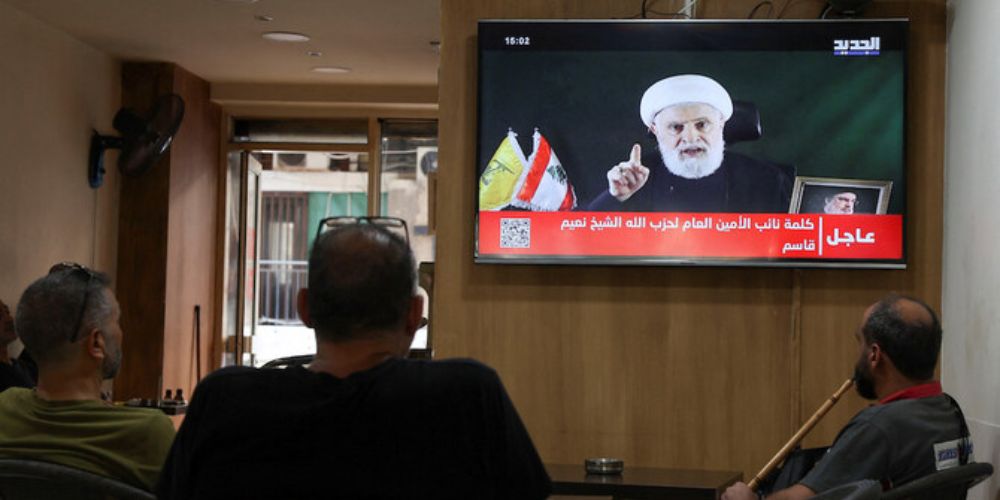
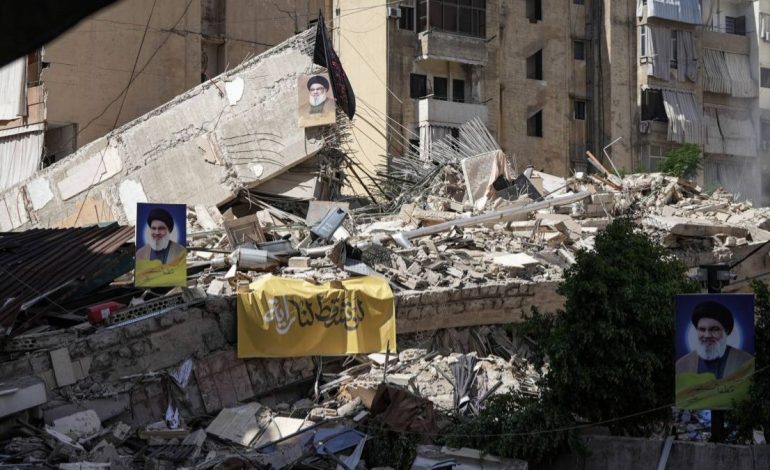
The central, inescapable challenge remains the same: the state’s monopoly on force. President Aoun enters the year committed to this principle, vowing a homeland under the rule of law, “with no immunity for criminals.” Yet the path to achieving this runs directly through the nation’s most profound fault line—Hezbollah’s arsenal.
A critical American-drafted roadmap set a disarmament deadline for the end of 2025. While a tentative compromise regarding weapons south of the Litani River may have been reached, 2026 confronts the far more contentious issue of arms elsewhere in the country. This is not merely a security negotiation; it is a raw struggle over national identity and sovereignty. As former MP Khaldoun Al-Sharif starkly notes, the two prerequisites for stability are “Hezbollah’s disarmament and genuine reform.” On both fronts, the real work has barely begun.
The geopolitical landscape adds layers of complexity. The fall of the Assad regime in Syria has severed vital supply routes, deepening Hezbollah’s isolation. Simultaneously, the fragile ceasefire with Israel requires continuous navigation. Lebanese and Israeli envoys will continue their unprecedented, tense dialogues under US mediation, a process that remains a political “third rail” at home. Meanwhile, a stark deadline looms: the UN Security Council has extended the UNIFIL peacekeeping mandate only until the end of 2026. The Lebanese Army has exactly one year to prove it can secure the southern border alone—a Herculean task.
Domestically, the crises are no less daunting. The government’s declared war on drug trafficking and smuggling networks must now move beyond high-profile arrests to dismantle the entrenched political patronage that enabled them, risking internal strife. The burden of Syrian refugees, despite significant returns last year, continues to strain resources and social cohesion.
Economically, the picture is fractured. A rebound in tourism fuels official projections of growth, but economists like Louis Hobeika warn that an uplift in select sectors is not a recovery. The economy remains a hostage to politics and security. True financial revival is impossible without the structural reforms and international confidence that only sustained political stability can bring.
Perhaps the most profound challenge, as voiced by former MP Fares Saeed, is existential. Lebanon must engage in a deep “soul-searching” to redefine its very raison d’être. The project of “positive neutrality” championed by the president is a start, but it must move from pledge to practice.
The Year of Reckoning
2026, therefore, is Lebanon’s year of reckoning. It is the year when fragile bridges must bear the weight of real progress. The nation is haunted by its neighbors, its history, and its internal ruptures, yet it has reawakened to the ideas of sovereignty and reform. The question is whether its leaders and factions can translate that awakening into the painful, concrete compromises required to build a permanent state. The alternative is the managed decay of perpetual crisis. For Lebanon, there may be no more “next year” left to waste.
Also Read:
Spain Emphasizes the Need for Gaza Reconstruction and Recovery