


Why Oil Prices Surge After Iran Targets Middle East Energy Facilities
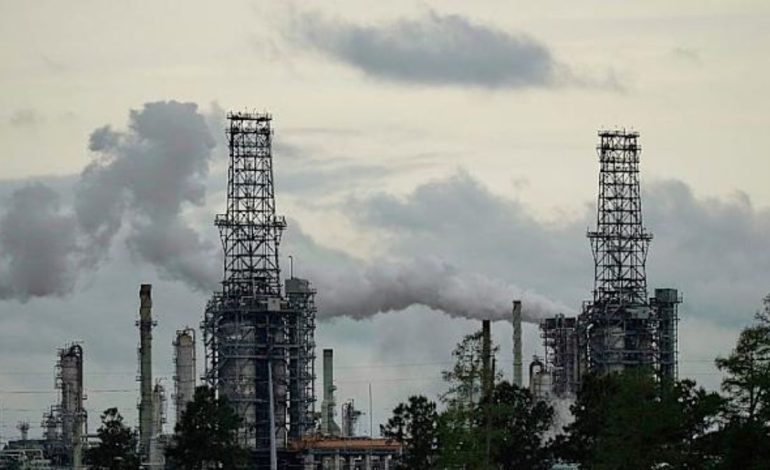

BEIJING – Oil prices climbed sharply Thursday after Iran launched fresh attacks on energy facilities across the Middle East, escalating tensions with the US and Israel and threatening global energy supplies.
Brent crude jumped as much as $5 a barrel to $112.86 before settling at $112.04, up $4.66 or 4.3 percent by mid-morning Saudi time. US West Texas Intermediate crude rose 96 cents to $97.28 a barrel after earlier gains exceeding $3. The moves followed a 3.8 percent climb for Brent on Wednesday.
Iran directly attacked Qatar’s energy operations Wednesday, with QatarEnergy reporting “extensive damage” at Ras Laffan, the site of Qatar’s core liquefied natural gas processing hub. Saudi Arabia said it intercepted four ballistic missiles aimed at Riyadh and destroyed an attempted drone attack on a gas facility.
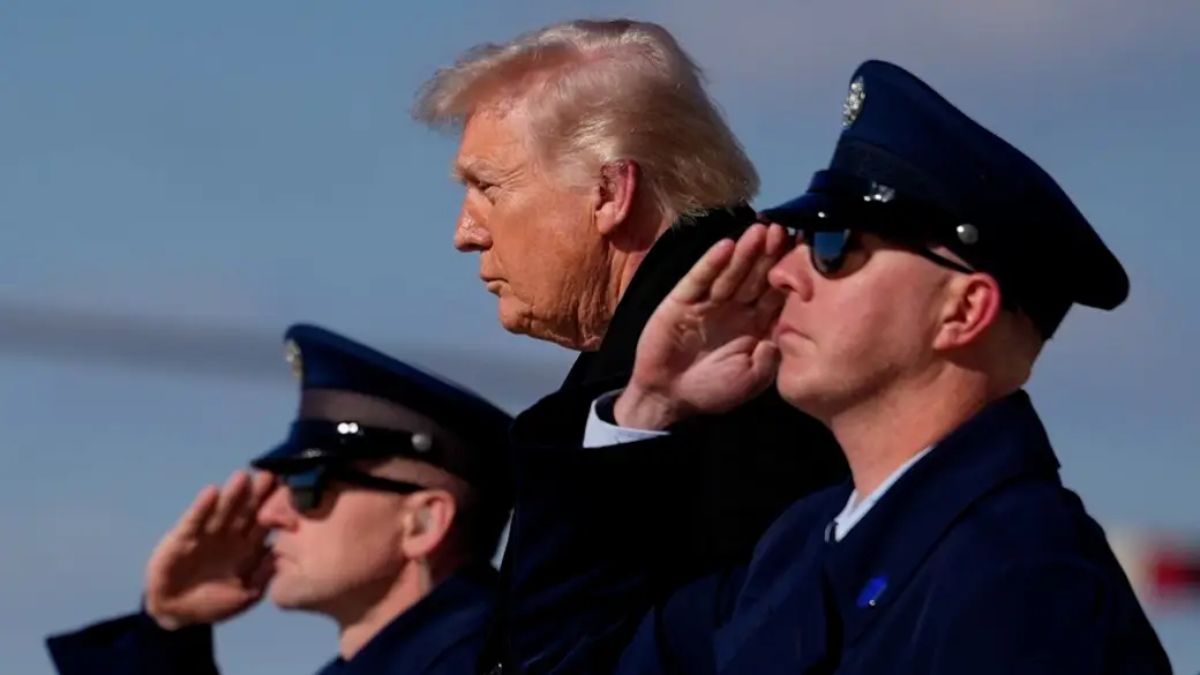
The escalation centered on Iran’s retaliation for Israeli strikes on South Pars, the Iranian sector of the world’s largest natural gas deposit shared with Qatar. President Trump said Israel conducted the South Pars attack without US or Qatari involvement. He warned that Israel would not attack the facility again unless Iran struck Qatar, and cautioned that the US would respond to any Iranian action against Doha.
Market analysts view the attacks as signaling prolonged energy supply disruptions. “Escalation in the Middle East, precise attacks on oil infrastructure, and the death of Iranian leadership all point to a prolonged disruption in oil supplies,” said analyst Priyanka Sachdeva.
The Federal Reserve’s decision to hold interest rates steady Wednesday while projecting higher inflation added to market concerns. Rising oil prices typically drive up inflation, complicating monetary policy decisions.
Oil prices are expected to remain elevated as regional tensions persist with no ceasefire in sight and the Strait of Hormuz remaining disrupted. The waterway carries 20 percent of global oil supplies, and its blockade continues to pressure prices upward.
Reports indicate the Trump administration is considering deploying thousands of US troops to the Middle East to secure shipping lanes. Options include establishing safe passage for oil tankers through the Strait of Hormuz using air and naval forces, though some proposals involve ground troop deployment as well.
Also Read:
Iran Intelligence Minister Reportedly Killed in Israeli Overnight Strike
Top Reasons Jeddah Historic District Gets 3M Visitors in Record Time